L
O
A
D
I
N
G


Zoho, Odoo, ERPNext, Dynamics 365 and custom ERP, delivered by one accountable team.

Know the real margin on every shipment, keep warehouse stock accurate across clients, and bill in the right currency without chasing spreadsheets. We implement ERP systems built around how UAE logistics companies actually work.
For UAE freight forwarders and 3PL providers, the right ERP ties every bill, invoice and expense to a shipment job file so margin is visible while the job is open. Odoo and ERPNext suit small and mid-size forwarders, while multi-entity groups often prefer Microsoft Dynamics 365. Many keep a specialist freight tool for bookings and integrate it with the ERP for finance.
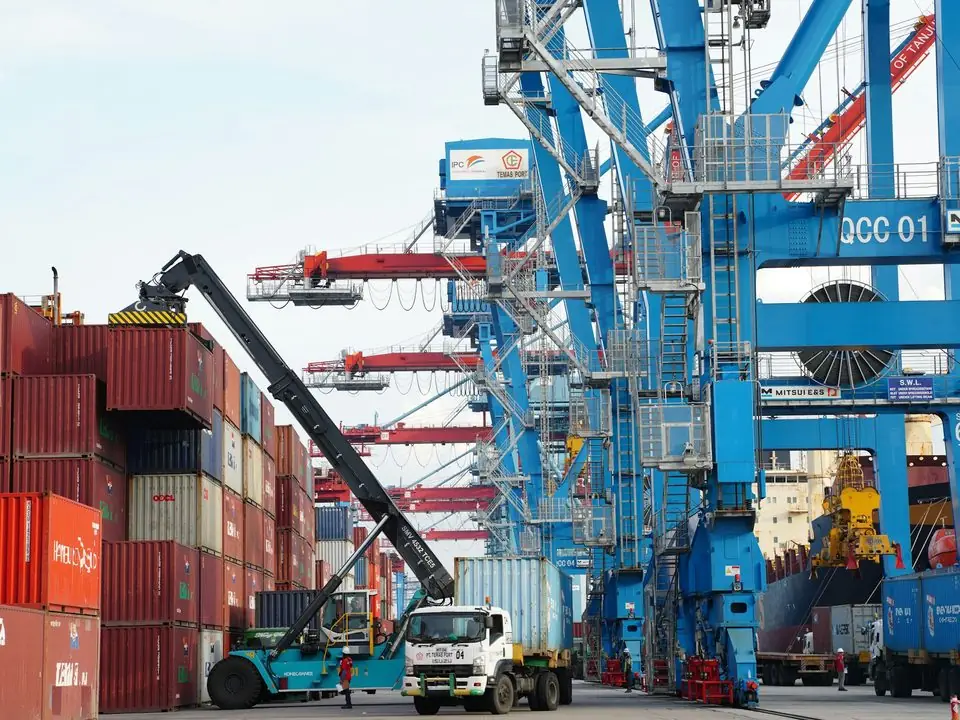
Logistics in the UAE moves fast. A forwarder operating out of Jebel Ali or Khalifa Port might handle sea, air and land jobs in the same week, with costs arriving from shipping lines, airlines, hauliers, customs brokers and port agents long after the customer has been invoiced. A 3PL in Dubai South or a free zone warehouse might hold stock for dozens of clients, each with its own storage tariff and handling rules.
Generic accounting software tends to lose the thread. Costs land in the wrong period, accruals are guessed, and nobody knows whether a job made money until the month is closed. An ERP set up for logistics ties every purchase bill, invoice and expense to a shipment or job file, so profitability is visible while the job is still open.
We help freight forwarders, NVOCCs, customs clearing agents, transport operators and contract logistics providers choose and configure the right platform, connect it to the tools they already use, and move their data across without disrupting live operations.
The modules below are the ones UAE forwarders and 3PLs ask about most often.
Open a job file for each booking and attach every buy and sell line to it. Accrue expected costs up front, then match supplier bills as they arrive to see the true margin.
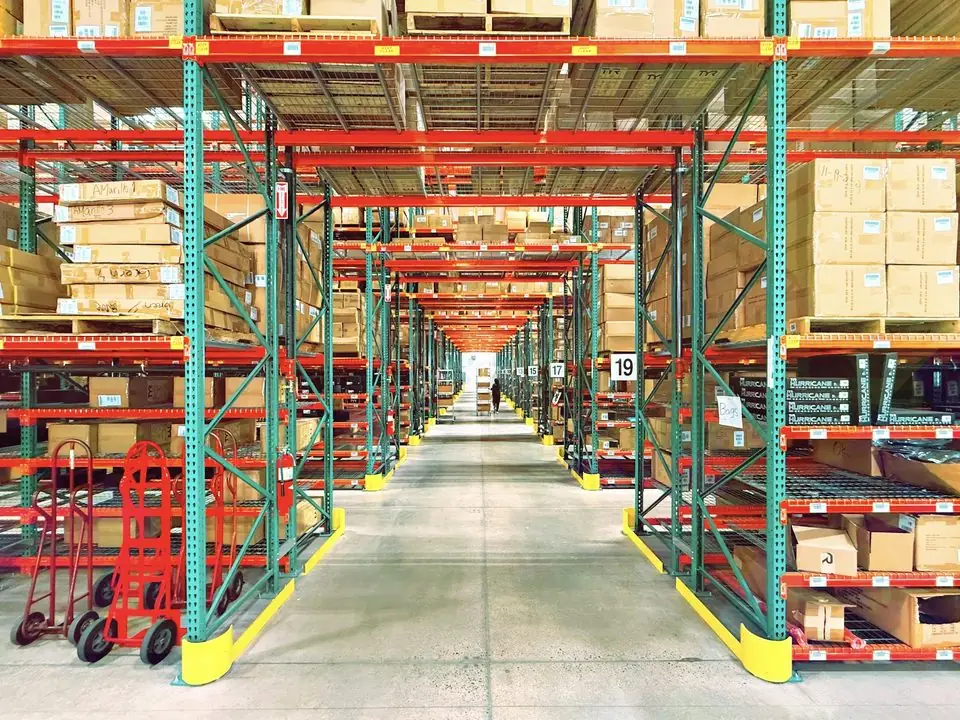
Track inbound receipts, putaway, bin locations, picking and dispatch per client. Barcode scanning and cycle counts keep physical and system stock aligned.
Record vehicles, drivers, trips, fuel and maintenance, and allocate running costs to the jobs they served. Useful for both own fleets and subcontracted hauliers.
Store commercial invoices, packing lists, bills of lading and declaration references against each job, and generate the supporting documents your brokers need. The ERP supports the process; declarations are still filed through the official customs systems.
Quote and invoice in USD, EUR or AED, pay overseas agents in their currency, and handle exchange differences automatically when payments settle.
Set client-specific tariffs for pallet storage, handling, value-added services and minimum charges, then generate monthly invoices from actual activity instead of manual counts.

If several of these sound familiar, an ERP project is likely to pay back quickly.
We phase the work so shipments keep moving while the new system goes live.
We follow a few real shipments from enquiry to final invoice to understand where costs, documents and approvals come from.
We recommend a platform based on your volumes, modes and integration needs, then design the job file, chart of accounts and VAT setup.
We configure costing, warehousing and billing, and connect tools such as freight management software, tracking portals or banking where needed.
Open jobs, customer balances and warehouse stock are migrated, users are trained by role, and we support the first month-end close.
Platforms that often suit logistics companies, plus the services that connect them.
We configure the system for the rules UAE businesses report against, and test it before go-live.
General information, not tax or legal advice. Confirm current requirements with the FTA, MOHRE or your advisor. See all UAE compliance guides.
On-site workshops in Dubai, Abu Dhabi and Sharjah, and remote or on-site delivery across the Northern Emirates and free zones.
Official sources and references
Facts on this page were checked against these sources in October 2026. Rules change, so confirm current requirements before acting.
Still have a question? Our consultants are happy to help.
Ask an ExpertIt depends on size and how specialized your operations are. Odoo and ERPNext work well for small and mid-size forwarders who want flexible job costing and warehousing at a sensible cost. Larger groups with several entities often lean towards Microsoft Dynamics 365, and some operators with unusual workflows are better served by a custom build connected to an existing freight system.
Sometimes, but not always. Many forwarders keep a specialist freight or tracking tool for bookings and visibility and use the ERP for finance, costing, warehousing and reporting. We often integrate the two so job numbers, charges and invoices flow across without retyping.
No. Customs declarations are submitted through the official customs platforms in each emirate. The ERP stores the documents and references for each job, produces supporting paperwork and keeps duty and deposit amounts tied to the right shipment for accounting.
International transport and related services can qualify for zero-rating under UAE VAT rules, subject to conditions, while local services are standard-rated at 5%. We configure tax codes so the right treatment is applied by service type, and we recommend confirming specific scenarios with your tax advisor.
Yes. Once client tariffs are set up, the system can calculate storage and handling charges from actual receipts, stock days and dispatches, and create draft invoices for review each month.
Tell us how your business runs today and where it gets stuck. We'll recommend the right platform, outline the implementation approach and give you a realistic timeline, with no obligation.
Dubai, United Arab Emirates