L
O
A
D
I
N
G


Zoho, Odoo, ERPNext, Dynamics 365 and custom ERP, delivered by one accountable team.

One view of stock, sales and customers across your stores, online shop and marketplaces.
A retail and e-commerce ERP for UAE businesses links point of sale, online stores, marketplaces, inventory, purchasing and accounts so every channel updates the same stock and ledger. Odoo is often a strong fit because POS, e-commerce and accounting sit in one platform; Zoho suits smaller online brands, ERPNext offers open-source POS, and larger groups may pair Dynamics 365 with a specialist POS.
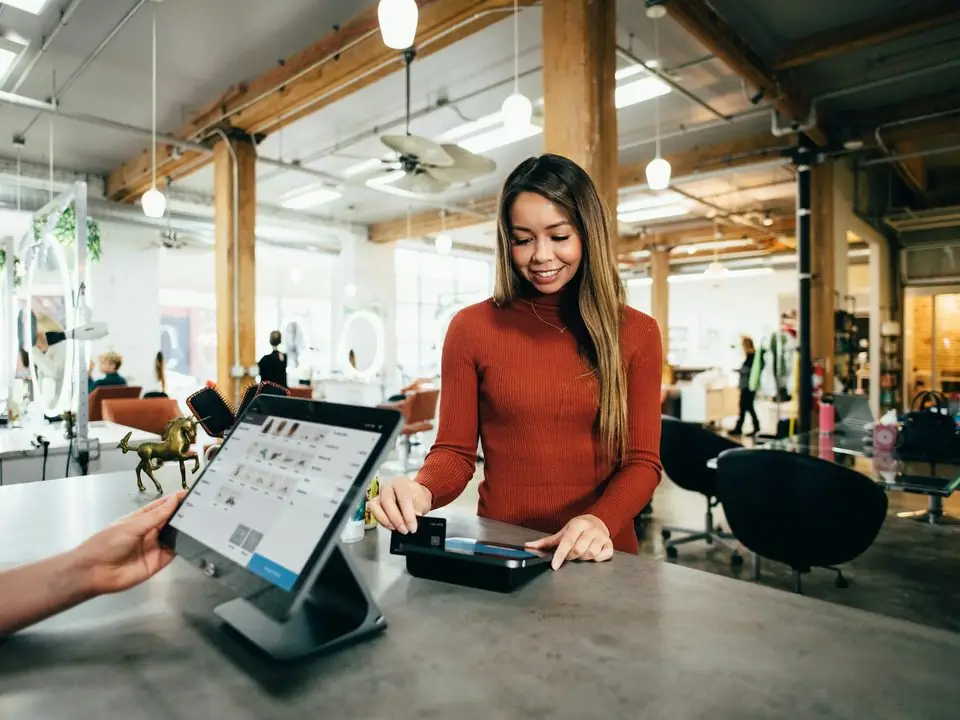
UAE shoppers move freely between malls, neighborhood stores, brand websites and marketplaces. Retailers have to keep up: a customer might see a product on Instagram, check availability online, then buy in a Dubai mall or ask for delivery to Sharjah the same day.
That only works when stock, pricing and customer data are consistent everywhere. Many retailers run separate systems for POS, the online store and accounting, then reconcile them by hand. Overselling, pricing errors and slow month-end are the result.
A retail and e-commerce ERP connects POS, online channels, inventory, purchasing and finance. Sales from every channel update stock and accounts in one place, and your team gets reliable reports on what sells, where and at what margin.
The capabilities we set up most often for UAE retailers and online brands.
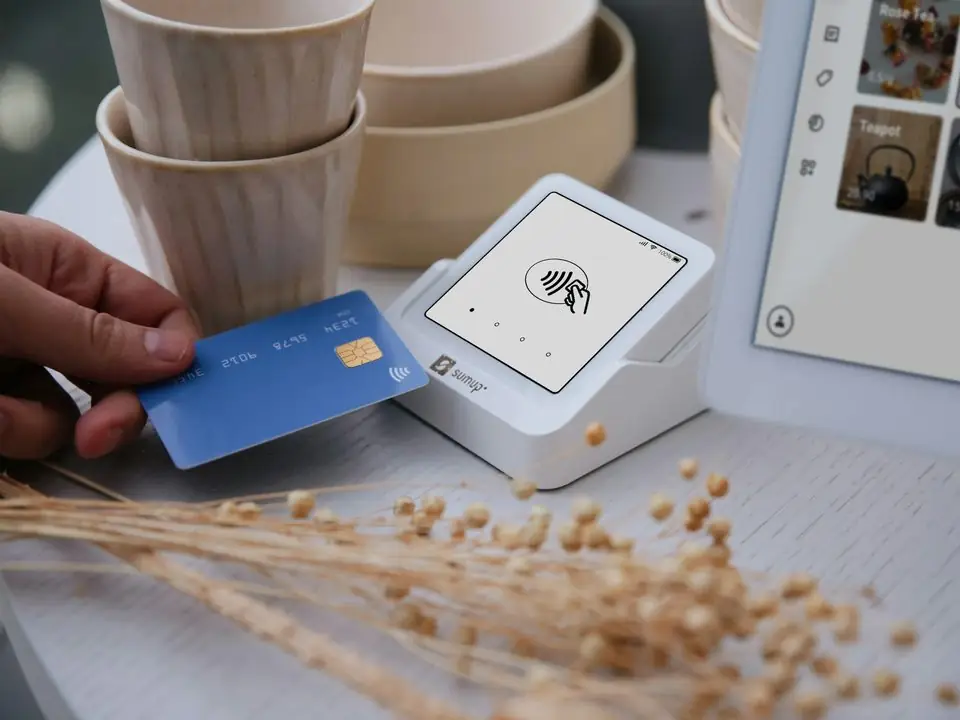
Fast POS for stores and kiosks, with cash and card payments, returns, exchanges and shift closing.
Click and collect, ship from store and returns across channels, with one record of each order.
Products, prices, stock and orders synced with Shopify, WooCommerce, Magento or the ERP's own web store.
Customer profiles, loyalty points, gift cards and promotions recognized in store and online.
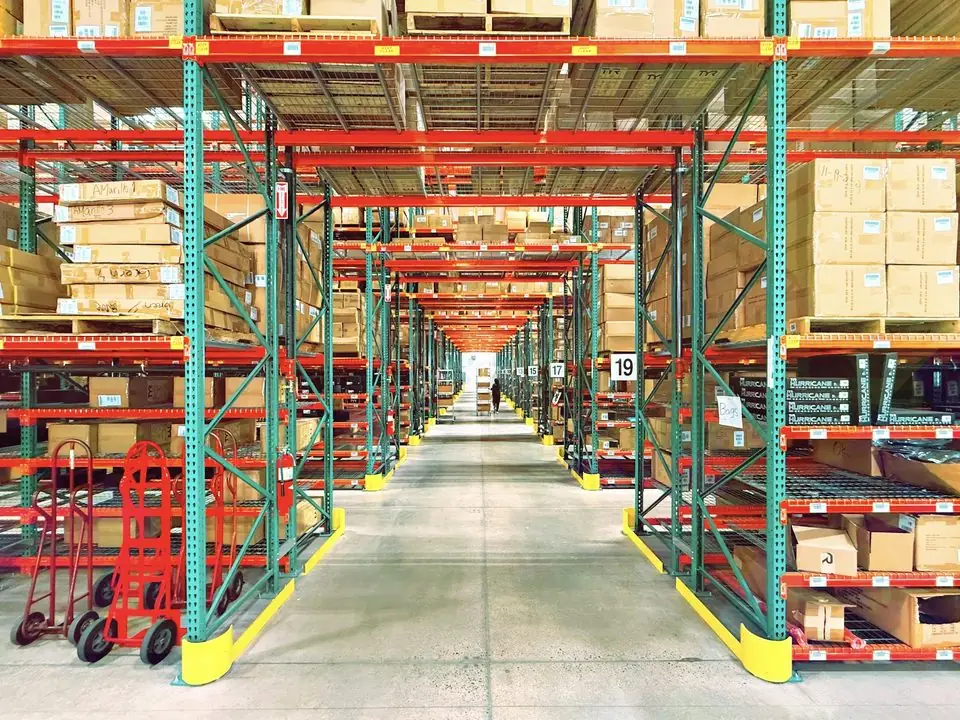
Real-time stock by store and warehouse, with replenishment and inter-store transfers based on sales.
Sales by store, category, brand and staff, with margin, sell-through and slow-mover reports.

These processes come up in nearly every retail ERP project.
Platforms and services that fit retail and e-commerce businesses.
We configure the system for the rules UAE businesses report against, and test it before go-live.
General information, not tax or legal advice. Confirm current requirements with the FTA, MOHRE or your advisor. See all UAE compliance guides.
On-site workshops in Dubai, Abu Dhabi and Sharjah, and remote or on-site delivery across the Northern Emirates and free zones.
Official sources and references
Facts on this page were checked against these sources in October 2026. Rules change, so confirm current requirements before acting.
Still have a question? Our consultants are happy to help.
Ask an ExpertOdoo is often a strong fit because it includes POS, inventory, e-commerce and accounting in one platform. Zoho works well for smaller retailers and online brands, and ERPNext offers POS on an open-source platform. Larger retail groups may consider Dynamics 365 with a specialist POS. We recommend based on store count, channels and budget.
Yes. We set up two-way sync for products, prices, stock and orders, either through standard connectors or custom integrations. Online orders then flow into the ERP for fulfillment, invoicing and accounting.
Some POS options, including Odoo POS, can keep processing sales offline and sync once the connection returns. We check offline behavior for your chosen platform during design, since it matters for mall and kiosk locations.
Yes. Customer profiles and loyalty points can be shared across POS and online channels, so customers earn and redeem anywhere. Gift cards and promotions can also be applied consistently.
Prices can be set VAT-inclusive at 5%, and receipts and tax invoices show the required VAT details and TRN. Sales from all channels feed into VAT return reports, so filing does not require manual consolidation.
Related Solutions
Related Industries
Related ERP Platforms
Related Guides
Book a free consultation to plan a retail ERP that keeps every channel in sync.
Dubai, United Arab Emirates