L
O
A
D
I
N
G


Zoho, Odoo, ERPNext, Dynamics 365 and custom ERP, delivered by one accountable team.

For open-field farms, greenhouses, vertical farms, date producers and livestock operations that need yield, cost and traceability from seed to sale.
An ERP for agriculture companies in the UAE treats each crop cycle, flock or production batch as a cost object, charging seeds, nutrients, feed, labour, water and power to it. Harvests are graded with yield and loss recorded per batch, and sales carry batch numbers for traceability, serving hydroponic greenhouses, vertical farms, date producers and livestock operations across the emirates.
An ERP for agriculture companies in the UAE has to deal with conditions that make farming expensive and data-hungry. Water, energy for cooling and imported inputs are major costs. Many newer operations are controlled-environment farms, including hydroponic greenhouses and indoor vertical farms in Dubai and Abu Dhabi, while established farms in Al Ain, Liwa, Ras Al Khaimah and the northern emirates grow dates, vegetables and fodder or raise poultry and dairy herds.
Across all of them, the questions are similar. What did this crop cycle cost per kilogram? Which greenhouse or field produced the best yield? Which batch went to which supermarket, and can we trace it back if a retailer asks? How much product was lost to grading, shrinkage or spoilage between harvest and delivery?
We configure ERP so that each crop cycle, flock or production batch becomes a cost object. Inputs such as seeds, nutrients, feed, labour, water and power are charged to it, harvests are recorded against it, and sales carry its batch number. Agriculture businesses that also process or pack food can compare this with our food manufacturing ERP page.
These issues come up with farms and agritech firms of different sizes.
Inputs, energy and labour are recorded in general accounts. Without allocating them to crop cycles, pricing to retailers is based on estimates.
Leafy greens, berries and fresh dairy have short shelf lives. Without stock ageing and order planning, product spoils in cold rooms.
Supermarkets and hotel groups expect batch codes, harvest dates and sometimes food safety records. Paper logs make recalls and audits slow.
Seeds, fertilizers, nutrients, crop protection products and animal feed are expensive and sometimes regulated. Untracked usage hides waste and creates compliance risk.
Harvest peaks need extra workers, who must still be paid through WPS if on your visa. Labour cost per harvest is rarely visible.
Produce goes to supermarkets, hotels, wholesale markets and direct-to-consumer subscriptions, each with its own pricing and delivery pattern.
A generic crop cycle; livestock and poultry follow a similar batch logic.
One shared database: every step updates stock, finance and reports in real time.
Most UAE agriculture companies combine standard ERP modules with a few configured or custom farm features.
Each planting, flock or herd group recorded as a batch with location, start date and expected yield.
Seeds, nutrients, fertilizers, feed and packaging with lot numbers, expiry dates and issues to batches.
Inputs, labour and overheads allocated to batches to calculate cost per kilogram, per tray or per head.
Harvest inspection, grade splits and rejection reasons recorded per batch.
Cold room locations, lot ageing and first-expiry-first-out picking for perishable produce.
Standing orders from retailers and hotels, delivery routes and proof of delivery.
Pumps, chillers, irrigation and climate control equipment on preventive maintenance schedules.
Permanent and seasonal workers, attendance by farm and WPS payroll.
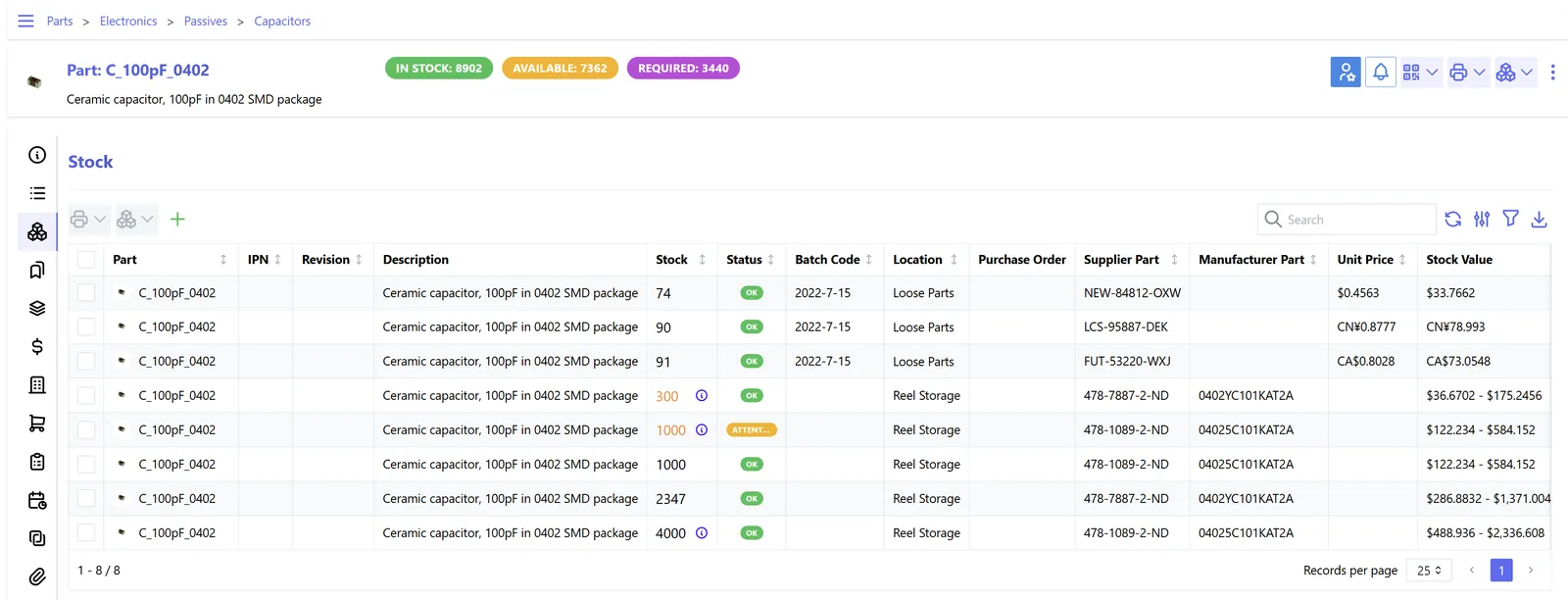
Daily view for farm managers and the commercial team.
Agriculture often needs light customization on any platform. These are typical matches.
| Business profile | Often a good fit | Why |
|---|---|---|
| Hydroponic or vertical farm selling to retailers | Odoo | Manufacturing-style batches, lot tracking, quality checks and B2B sales in one system, with custom crop fields. |
| Traditional farm or date producer | ERPNext | Has had agriculture-oriented features in its ecosystem, plus stock, batches and accounting at low licence cost. |
| Small agritech startup selling direct to consumers | Zoho One | Commerce, inventory, Books and subscriptions for weekly produce boxes, with Creator for farm logs. |
| Large agricultural or food group | Dynamics 365 | Supply chain, lot traceability and multi-entity finance for groups with farms, packing and distribution. |
| Research-heavy or sensor-driven farm | Custom ERP | When IoT data from climate and irrigation systems drives decisions, a custom data layer can link sensors to batches. |
Tax rules and food safety expectations both shape how farm records are kept.
The standard 5% rate applies to most supplies, and the treatment of specific agricultural goods and inputs should be confirmed with your tax advisor. ERP holds the tax codes, TRNs and invoice fields used in EmaraTax returns.
Retail and hospitality buyers, and local food safety authorities, expect records that trace produce back to its source. Lot tracking and harvest records in ERP make this practical.
Corporate tax at 9% applies above AED 375,000 of taxable income. Small Business Relief may be available for eligible businesses with revenue up to AED 3 million for tax periods ending on or before 31 December 2026; confirm with your tax advisor.
Farm workers on your visa are paid through WPS. E-invoicing for B2B sales is phased in from 2027 depending on revenue; check the latest Ministry of Finance and FTA guidance.
General information, not tax or legal advice. Rules change; confirm current FTA, MOHRE and Ministry of Finance guidance with your advisor.
Objectives we set with farm clients. Results depend on how consistently field data is captured.
Each batch shows its full cost, supporting better pricing and decisions on which crops to grow.
Lot ageing and order planning move older stock out first and reduce waste in cold rooms.
A batch code can be traced to its location, inputs and customers in minutes rather than days.
Nutrients, feed and crop protection products are issued against batches, exposing overuse.
Ranges are typical for a single farm or facility; multi-site operations take longer.
Durations are typical ranges; your plan is agreed after discovery.
Review crop cycles, input stores, harvest and grading, cold storage and sales channels.
Set up batches, inventory with lots, costing rules, quality checks and sales.
Load products, customers, inputs stock and active crop cycles.
Run a greenhouse, shed or field on the new system and compare against existing records.
Extend to all sites and review cost per kilogram reports with management.
Inventory, quality and food industry pages.
We configure the system for the rules UAE businesses report against, and test it before go-live.
General information, not tax or legal advice. Confirm current requirements with the FTA, MOHRE or your advisor. See all UAE compliance guides.
On-site workshops in Dubai, Abu Dhabi and Sharjah, and remote or on-site delivery across the Northern Emirates and free zones.
Official sources and references
Facts on this page were checked against these sources in October 2026. Rules change, so confirm current requirements before acting.
Still have a question? Our consultants are happy to help.
Ask an ExpertYes. Each crop cycle is a batch, and inputs, labour, energy and overheads are allocated to it using rules you agree with your finance team. Dividing total cost by graded harvest weight gives cost per kilogram.
It can, where your climate or irrigation system offers an API or data export. Most farms start with manual records in ERP and add sensor integration once the core processes are stable.
Yes. Flocks and herds are treated as batches with feed, veterinary and labour costs, and output such as eggs, milk or birds recorded against them.
Search the lot number on the invoice or delivery note. The ERP shows the harvest date, location, inputs used and every other customer who received product from that lot.
Not necessarily. A small farm can start with inventory, batches, sales and accounting, then add costing and quality later. Zoho or ERPNext can keep the start-up cost modest.
Related Solutions
Related Industries
Related ERP Platforms
Talk to our team about ERP for your farm, greenhouse or agritech business in the UAE.
Dubai, United Arab Emirates