L
O
A
D
I
N
G


Zoho, Odoo, ERPNext, Dynamics 365 and custom ERP, delivered by one accountable team.

Stop copying data between screens and chasing approvals by WhatsApp. We automate the repetitive steps in your ERP so your team spends time on work that needs judgment.
Business process automation in a UAE ERP lets the system handle predictable steps: approvals route themselves by amount or department, overdue invoices trigger reminders, recurring contracts bill on schedule and bank lines match automatically. It uses the tools that suit each platform, including Zoho Flow, Microsoft Power Automate, Odoo automated actions, ERPNext server scripts and custom code, with AI-assisted steps where useful.
Look closely at a finance or operations team in almost any UAE company and you will see the same tasks repeated every day: reminders sent to customers, purchase requests forwarded for approval, the same monthly invoices raised by hand, bank lines matched one by one.
Business automation takes those predictable steps and lets the system handle them. Approvals route themselves to the right person, overdue invoices trigger reminders, recurring contracts bill on schedule and exceptions are flagged instead of buried.
We use the tools that suit your platform, such as built-in ERP workflows, Zoho Flow, Microsoft Power Automate, Odoo automated actions, ERPNext server scripts and custom code, and we add AI-assisted steps where they genuinely help.

Common areas where automation pays back quickly.
Purchase orders, expenses, discounts, leave and credit limits routed by amount, department or entity, with mobile approval.
Email, in-app or messaging alerts for low stock, overdue invoices, expiring trade licenses, visas or contracts.
Automatic invoices for rent, retainers, maintenance contracts and subscriptions, with VAT applied correctly each cycle.
Bank statement imports and matching rules that clear routine lines automatically and leave only exceptions for review.
Zoho Flow, Power Automate or custom scripts that move data between your ERP, CRM, forms, e-commerce and spreadsheets.
Reading supplier invoices and receipts, suggesting account codes or summarizing records, always with a human check where accuracy matters.
We automate in small, measurable steps rather than all at once.
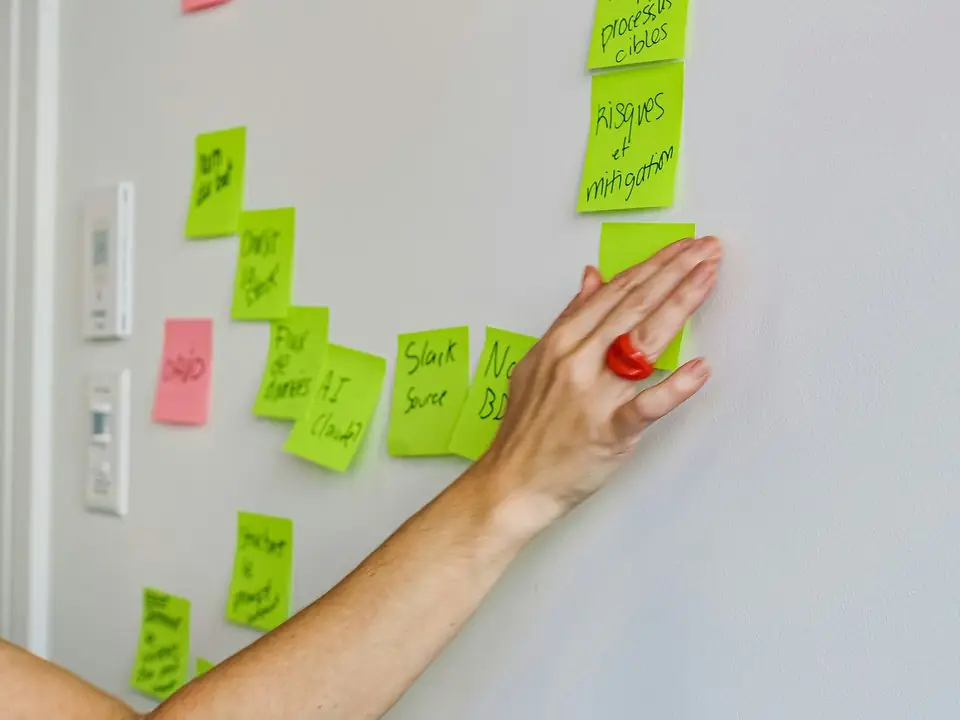
We review daily and monthly tasks with your team and list where time is lost to manual entry, chasing and checking.
We rank candidates so the first automations are quick to build and clearly useful.
We agree triggers, conditions, exceptions and who gets notified, so the automation behaves as expected in edge cases.
We build in a test environment, run real scenarios and confirm the results with the people affected.
After launch we watch logs and failures, adjust rules and add the next automation on the list.
We choose the tool that fits your platform and budget.
Automation works best alongside these.
We configure the system for the rules UAE businesses report against, and test it before go-live.
General information, not tax or legal advice. Confirm current requirements with the FTA, MOHRE or your advisor. See all UAE compliance guides.
On-site workshops in Dubai, Abu Dhabi and Sharjah, and remote or on-site delivery across the Northern Emirates and free zones.
Official sources and references
Facts on this page were checked against these sources in October 2026. Rules change, so confirm current requirements before acting.
Still have a question? Our consultants are happy to help.
Ask an ExpertApprovals, payment reminders, recurring invoices and routine notifications are usually the quickest wins. They follow clear rules, happen often and are easy to measure before and after.
Not necessarily. Most modern ERPs, including Zoho, Odoo, ERPNext and Business Central, have workflow features, and tools like Zoho Flow or Power Automate can connect them to other apps. We often automate within the system you already use.
AI is useful for tasks like reading invoices or suggesting categories, but it can make mistakes. We design AI-assisted steps so that a person reviews and approves results before they affect your accounts.
We build in error handling and alerts, so failures are reported to a named person instead of going unnoticed. Logs show what happened, which makes fixes quick.
It can reduce errors by applying tax codes consistently, flagging missing TRNs and preparing reconciliation reports before your VAT return. Final review and filing with the FTA should still sit with your finance team or tax advisor.
Related Solutions
Related Industries
Related ERP Platforms
Tell us where your team loses the most time and we will suggest practical automations.
Dubai, United Arab Emirates