L
O
A
D
I
N
G


Zoho, Odoo, ERPNext, Dynamics 365 and custom ERP, delivered by one accountable team.

Sell cement by the bag, steel by the tonne and tiles by the square meter, deliver to live sites, and keep contractor credit under control.
An ERP for building materials trading in the UAE must convert units such as tonnes, bags, bundles, pallets and square metres, control credit per contractor and project, and link quotation, yard pick, site delivery and invoice. Zoho Books with Zoho Inventory suits a single yard under fifteen users, while Odoo fits traders with several yards and their own delivery trucks.
An ERP for building materials trading in the UAE has to cope with a business that looks simple from outside and is messy inside. You buy rebar by the tonne and sell it by the piece or bundle. Tiles arrive in pallets, go out in boxes and get quoted in square meters. Contractors, many of them covered on our construction ERP page, order against a project, ask for split deliveries to three sites, and pay 60 or 90 days later, often after retention is released.
Most traders we speak to in Al Quoz, Ras Al Khor, Sharjah industrial areas and Mussafah run this on a mix of an accounting package, an Excel price sheet and a driver's paper delivery note. The result is the same everywhere: stock that does not match the yard, invoices raised late because signed delivery notes come back days after the truck, and credit exposure nobody can see until a contractor stops paying.
A well configured ERP connects the quotation, the sales order, the yard pick, the truck and the invoice. It holds conversions between units, keeps a credit limit per contractor and per project, and gives management one view of margin by product family, whether that is cement, blocks, steel, sanitaryware or finishing materials.

These issues come up in almost every discovery session with a building supplies trader.
Purchases are booked in tonnes or pallets while sales go out in pieces, bags or square meters. Without defined conversion factors the stock report drifts away from the physical yard within weeks.
Sales staff keep releasing material to a contractor who is already over limit because the overdue balance sits in a separate accounting system. Bad debt in this sector usually starts with one large project going quiet.
Drivers return signed paper notes at the end of the day or the week. Invoicing waits, disputes about short deliveries are hard to settle, and the receivable ages before it is even raised.
Purchase costs move with global steel and energy prices, but quotations given to contractors stay valid for weeks. Margins erode quietly when old price lists remain active.
Tiles, glass, gypsum boards and sanitaryware break in handling. If damage is not recorded against a reason and a location, losses are hidden inside general stock adjustments.
Imported tiles, sanitaryware and fittings carry freight, customs duty, clearing and port charges. Without landed cost allocation, the item cost used for pricing is understated.
A typical contractor order moves through these steps, each one recorded against the same project reference so finance and the yard see the same picture.
One shared database: every step updates stock, finance and reports in real time.
The modules below cover the core of a building supplies business. Most traders start with the first six and add the rest as volumes grow. See our inventory management software page for the stock side in more depth.
Define purchase, stock and sales units per item, such as tonne to bundle or pallet to square meter, so the system converts automatically.
Project-specific price lists, validity dates on quotes and approval rules when a salesperson goes below the minimum margin.
Credit limits per customer, blocking or approval when an order exceeds the limit, and aging by project site.
Delivery orders grouped by truck and route, with proof of delivery captured on a phone at the site.
Purchase orders to mills and importers, with freight, duty and clearing charges spread across the received items.
Tax invoices, credit notes for returns and short deliveries, and VAT return mapping in one ledger.
Bin and yard zone locations for steel racks, cement stores and tile bays, with cycle counts by zone.
Margin by product family, customer and project, plus slow-moving stock and damage reports.
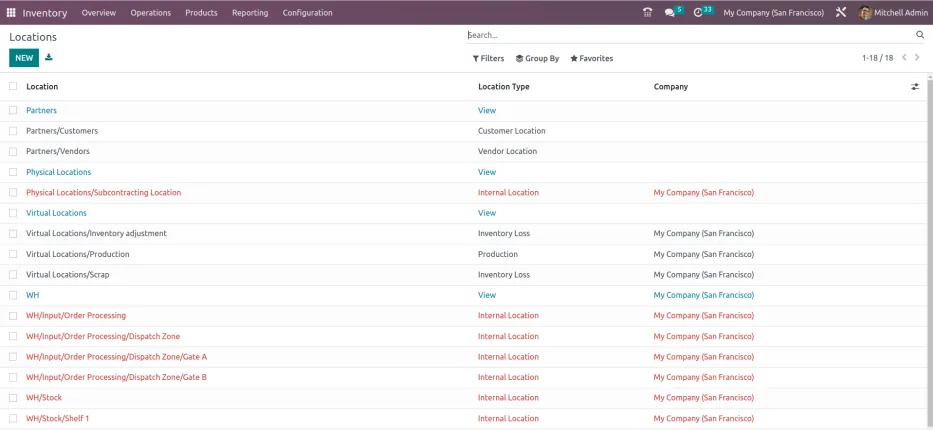
A single inventory and sales dashboard replaces the separate stock sheet, credit list and delivery board most traders keep today.
We implement Zoho, Odoo, ERPNext, Microsoft Dynamics 365 and custom ERP. The right choice depends on size, branches and how much yard logistics you run.
| Company profile | Usually fits | Why |
|---|---|---|
| Single yard, under 15 users, mainly counter and contractor sales | Zoho Books with Zoho Inventory | Quick to deploy, simple unit conversions and credit limits, low admin overhead. |
| Two or more yards with own trucks and site deliveries | Odoo | Strong units of measure, multi-warehouse routes, landed costs and delivery apps in one database. |
| Trader that also cuts and bends steel or makes blocks | ERPNext or Odoo | Both include manufacturing and BOMs for simple conversion work alongside trading. |
| Group with several legal entities and bank-led financing | Microsoft Dynamics 365 Business Central | Multi-company consolidation, structured approvals and strong finance controls. |
| Trader with an unusual pricing or rebate model | Custom ERP or a customized platform | When contractor rebates or volume schemes do not fit standard pricing rules. |
This is a starting point, not a verdict. We confirm fit after a discovery workshop on your actual order flow.
The ERP is configured to support these rules. Confirm the treatment of your specific transactions with your tax advisor.
Standard-rated tax invoices at 5% with TRN and prescribed fields, credit notes for returns and short deliveries, and a VAT return mapping for EmaraTax filing.
Under Ministerial Decisions 243 and 244 of 2025 (see our UAE e-invoicing guide), B2B invoices will move to the PINT AE format through an Accredited Service Provider, mandatory from 1 January 2027 for revenue of AED 50 million or more and from 1 July 2027 for others. Check the latest Ministry of Finance and FTA guidance.
Clean inventory valuation and provisions for doubtful contractor debts feed the corporate tax computation at 9% above AED 375,000 of taxable income.
Imported materials carry customs duty, typically 5% of CIF value for most goods. Recording duty and clearing charges as landed cost keeps item cost and margin accurate.
General information, not tax or legal advice. Rules change; confirm current FTA, MOHRE and Ministry of Finance guidance with your advisor.
These are the benefits building materials traders typically report. Results depend on data quality and how well the team adopts the new process.
Conversions between tonnes, bundles and pieces stop the gap between system stock and physical stock from widening.
Proof of delivery captured on site lets accounts raise the invoice the day material is delivered.
Sales sees the contractor's overdue balance before confirming the next order, not after.
Landed costs and current price lists mean the margin shown on a quotation is close to the margin actually earned.
Durations are typical ranges for a trader with one to three yards. Larger groups or heavy customization take longer.
Durations are typical ranges; your plan is agreed after discovery.
Map the quote, order, dispatch and collection flow, and agree the unit conversion table per product family.
Set up items, units, price lists, credit rules, yard locations and the VAT setup.
Load item master, opening stock by location, open contractor balances and open orders.
Run real orders end to end with sales, yard, drivers and accounts, then train each role.
Go live at a month start, reconcile the first stock count and fix issues quickly.
Explore related industries, platforms and modules.
We configure the system for the rules UAE businesses report against, and test it before go-live.
General information, not tax or legal advice. Confirm current requirements with the FTA, MOHRE or your advisor. See all UAE compliance guides.
On-site workshops in Dubai, Abu Dhabi and Sharjah, and remote or on-site delivery across the Northern Emirates and free zones.
Official sources and references
Facts on this page were checked against these sources in October 2026. Rules change, so confirm current requirements before acting.
Still have a question? Our consultants are happy to help.
Ask an ExpertYes. Each item gets a base unit plus purchase and sales units with conversion factors. A pallet of a given tile converts to boxes and square meters, so quotes, picks and stock all stay consistent.
Credit limits are set per customer, and an order that takes the balance over the limit or has invoices past due can be blocked or sent for manager approval. The rule is configured to your policy.
Yes. Most platforms we implement support delivery confirmation on a phone or tablet with a signature and photo. The signed note attaches to the delivery record and invoicing can start immediately.
Usually not. Odoo and ERPNext include manufacturing features that can model simple cut and bend jobs with material consumption and scrap, alongside your trading operation.
We do not claim FTA accreditation for any implementation. The FTA maintains a Tax Accounting Software Register, and you should check its current version for the specific product you choose. We configure tax invoices, VAT return mapping and audit trails to support the rules.
A focused rollout for a trader with one to three yards often takes 6-10 weeks. The main variable is how clean your item master and opening balances are.
Related Solutions
Related Industries
Related ERP Platforms
Book a discovery call and we will map your order flow and recommend the platform that fits your building materials business.
Dubai, United Arab Emirates