L
O
A
D
I
N
G


Zoho, Odoo, ERPNext, Dynamics 365 and custom ERP, delivered by one accountable team.

We connect your cafe POS, beverage recipes, bakery production and accounts so owners in Dubai and across the UAE see what each cup really earns.
An ERP for cafes in the UAE connects the POS, beverage recipes, outlet stock and accounts so owners see what each cup earns. Every drink size and milk option has its own recipe cost, beans, milk and syrups are tracked per outlet, central bakery production is transferred to branches, and POS, delivery app and card settlements post to the ledger with VAT.
A cafe sells hundreds of small tickets a day, and the margin hides in the details: the extra shot, the oat milk swap, the croissant that was baked this morning and binned tonight. ERP for cafes UAE projects are about connecting those details. The POS records what was sold, the recipe explains what it should have used, and the stock count shows what was actually used. When the three agree, you can trust your gross margin. When they do not, you know which outlet and which item to look at.
Many UAE coffee shops start with a cloud POS and a spreadsheet. That works for one outlet. By the second or third location, owners usually find that bean and milk orders are placed by phone, pastries move between branches without paperwork, and the accountant rebuilds sales from POS exports every month. An ERP replaces those side processes with purchase orders, transfers and automatic journal entries, while baristas keep using a fast, simple till.
Cafes are not small restaurants. The menu is narrower, but the modifier list is long, the ticket is low and speed at the counter matters more than table management. This page focuses on that coffee-led model. If you run full-service dining, our page on ERP for restaurants covers kitchen display, table service and course timing in more depth.
These are the issues cafe owners describe most often when they first speak to us.
A flat white with oat milk and an extra shot costs noticeably more to make than the base drink, yet many POS setups record only the base item. Without modifier-level recipes, the cost of goods sold looks better than it is.
Steamed milk poured away, expired dairy and unsold pastries rarely make it into the system. The gap shows up only at month-end as an unexplained variance.
Specialty beans are often ordered by WhatsApp from a roaster, with no purchase order or agreed price on file. When prices change, nobody notices until the supplier invoice arrives.
Cafes that bake centrally send trays of croissants and cookies to branches each morning. If those transfers are not recorded, one branch looks unprofitable while another looks unusually efficient.
Aggregators pay out net of commissions, promotions and refunds, often weekly. Matching those payouts to POS orders by hand takes hours and errors slip into the ledger.
Each step creates a record that feeds the next, so the owner's dashboard is current by the next morning.
One shared database: every step updates stock, finance and reports in real time.
Most coffee shops need fewer modules than a manufacturer, but the ones below need careful setup.
A touch POS with drink sizes, milk types, shots and syrups as modifiers, each linked to its own ingredient quantity.
Standard recipes for every beverage and food item, so theoretical usage is calculated from each sale.
Separate stock locations for each branch and the central bakery, with counts by unit of purchase and unit of use.
Purchase orders to roasters, dairies and packaging suppliers, with price history and reorder levels per branch.
Daily bakery batches that consume flour, butter and fillings and produce finished pastries ready for transfer.
Sales, card settlements, aggregator payouts and supplier bills posted with UAE VAT codes and outlet cost centers.
Stamp cards, points or app-based rewards tied to customer records, so you can see which regulars drive volume.
Shift rosters, attendance and payroll inputs for baristas and bakers across outlets.
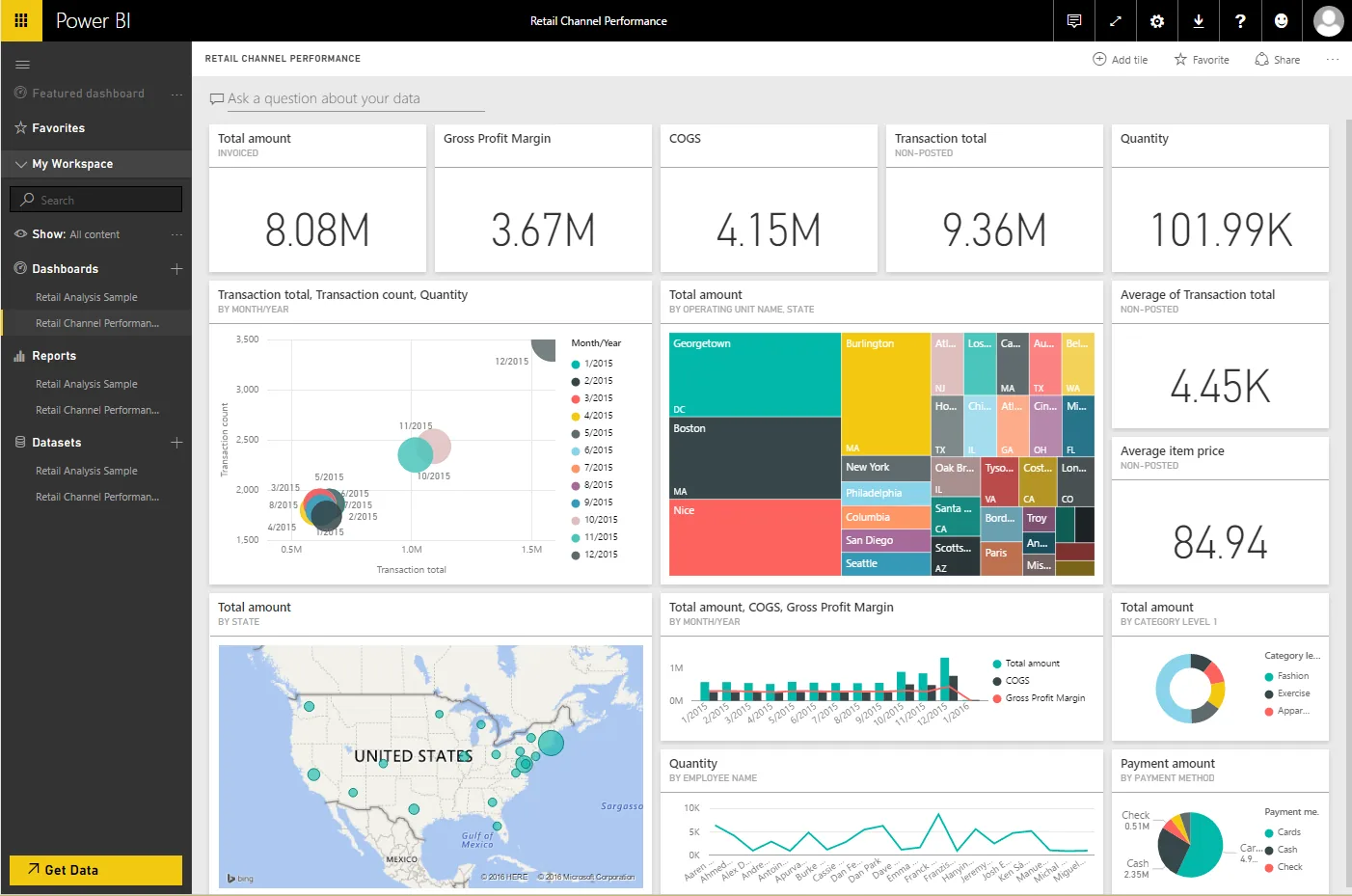
We build a short dashboard that answers the questions owners ask over their first coffee.
We implement Zoho, Odoo, ERPNext, Microsoft Dynamics 365 and custom ERP. For cafes the choice usually comes down to POS depth, recipe handling and how many outlets you run.
| Cafe profile | Often a good fit | Why |
|---|---|---|
| Single specialty coffee shop | Zoho Books with a third-party cafe POS | Simple accounting and VAT with POS sales imported daily; low setup effort. |
| Two to ten outlets with a central bakery | Odoo | Native POS, inventory, purchase and light manufacturing in one database, with multi-outlet stock. |
| Budget-conscious group wanting open source | ERPNext with a POS integration | Strong stock and accounting, flexible recipes; POS usually connected rather than native for busy counters. |
| Regional chain with franchise or GCC plans | Microsoft Dynamics 365 Business Central | Multi-company consolidation and controls, paired with a hospitality POS through integration. |
| Unusual model, such as a roastery cafe with wholesale | Odoo or custom ERP | Wholesale B2B orders, roasting batches and retail counters handled together. |
These are starting points. We confirm fit after a short discovery session.
We configure the system to support these obligations. Confirm specific treatments with your tax advisor.
Food and beverages are generally standard-rated at 5%. Receipts and tax invoices need your TRN and the prescribed fields, and VAT-inclusive menu prices must split correctly in the ledger.
Registration becomes mandatory once taxable supplies pass AED 375,000 over 12 months. Multi-outlet groups should track this at legal entity level from the start.
Corporate tax at 9% applies on taxable income above AED 375,000. Outlet-level cost centers and clean records make the annual return far easier.
Under the UAE e-invoicing rules, B2B invoices, such as wholesale coffee or catering for offices, will move to the PINT AE format through an Accredited Service Provider. Check the latest Ministry of Finance and FTA guidance for dates that apply to you.
General information, not tax or legal advice. Rules change; confirm current FTA, MOHRE and Ministry of Finance guidance with your advisor.
Results depend on discipline at the counter, but these are the improvements owners usually report.
Every size and modifier has a cost, so pricing decisions are based on actual cost per cup.
Waste logged at close turns month-end surprises into daily, visible numbers by outlet.
POS, card and aggregator entries post automatically, leaving the accountant to review rather than re-key.
Agreed prices on purchase orders flag roaster or dairy price changes before invoices are approved.
Durations are typical ranges and depend on outlet count and data quality.
Durations are typical ranges; your plan is agreed after discovery.
Menu review, modifier mapping, outlet structure, supplier list and current POS export formats.
Ingredients, units of measure, recipes and pastry batches entered and costed.
POS, delivery apps, payment terminals and accounting rules configured and tested.
One branch goes live first so baristas and the bakery team can work through real shifts.
Remaining outlets switch over, followed by weekly variance reviews in the first months.
Guides on POS, hospitality ERP and platforms that cafe groups compare.
We configure the system for the rules UAE businesses report against, and test it before go-live.
General information, not tax or legal advice. Confirm current requirements with the FTA, MOHRE or your advisor. See all UAE compliance guides.
On-site workshops in Dubai, Abu Dhabi and Sharjah, and remote or on-site delivery across the Northern Emirates and free zones.
Official sources and references
Facts on this page were checked against these sources in October 2026. Rules change, so confirm current requirements before acting.
Still have a question? Our consultants are happy to help.
Ask an ExpertNot always. If your POS has a reliable API or daily export, we can integrate it with the ERP. If it cannot pass modifier-level data, switching to a POS that can, such as Odoo POS, usually gives better cost tracking.
Each milk option becomes a modifier with its own ingredient and quantity. When a barista selects oat milk, the system consumes oat milk instead of full-fat milk, so stock and cost both stay accurate.
Yes. The bakery records production batches, and each morning's delivery is posted as a transfer to the branch. Unsold items are logged as waste at close.
For one outlet, a good POS with accounting software such as Zoho Books is often enough. A fuller ERP makes sense once you add outlets, a bakery or wholesale customers.
We import aggregator payout reports and match them to POS orders. Commissions, promotions and refunds post to separate accounts so you can see the real cost of each channel.
We are based in Dubai and support cafes across all seven emirates, on-site and remotely.
Related Solutions
Related Industries
Related ERP Platforms
Book a short call and we will map your menu, outlets and POS to a practical cafe ERP setup.
Dubai, United Arab Emirates