L
O
A
D
I
N
G


Zoho, Odoo, ERPNext, Dynamics 365 and custom ERP, delivered by one accountable team.

ERPNext inventory tracks every receipt, transfer and issue across your warehouses, and posts the value straight to your accounts. We configure it for how UAE traders and distributors move goods.
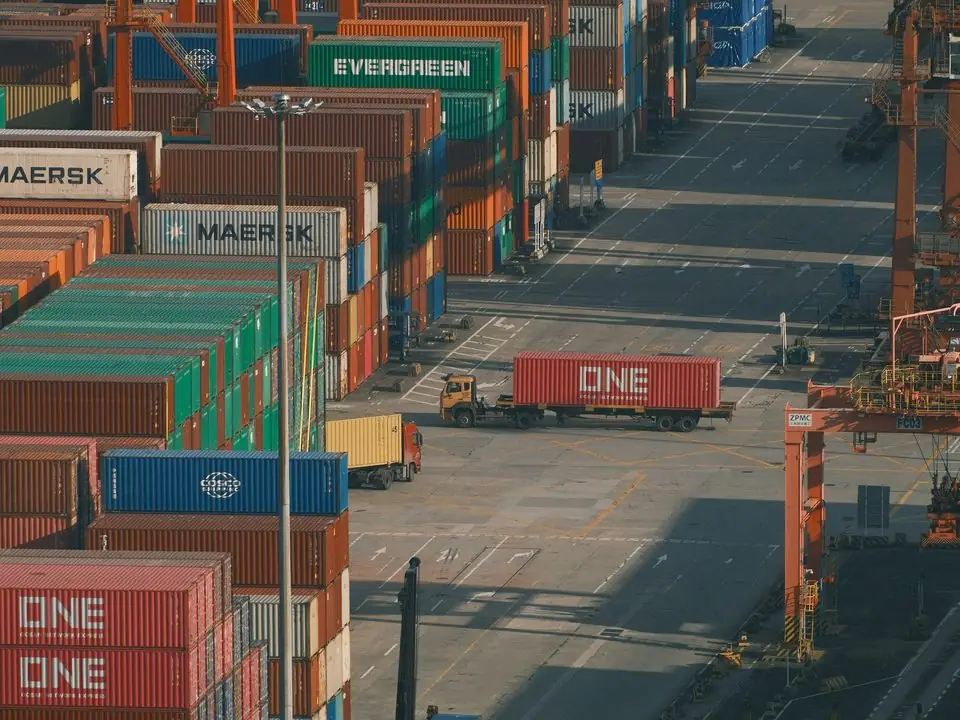
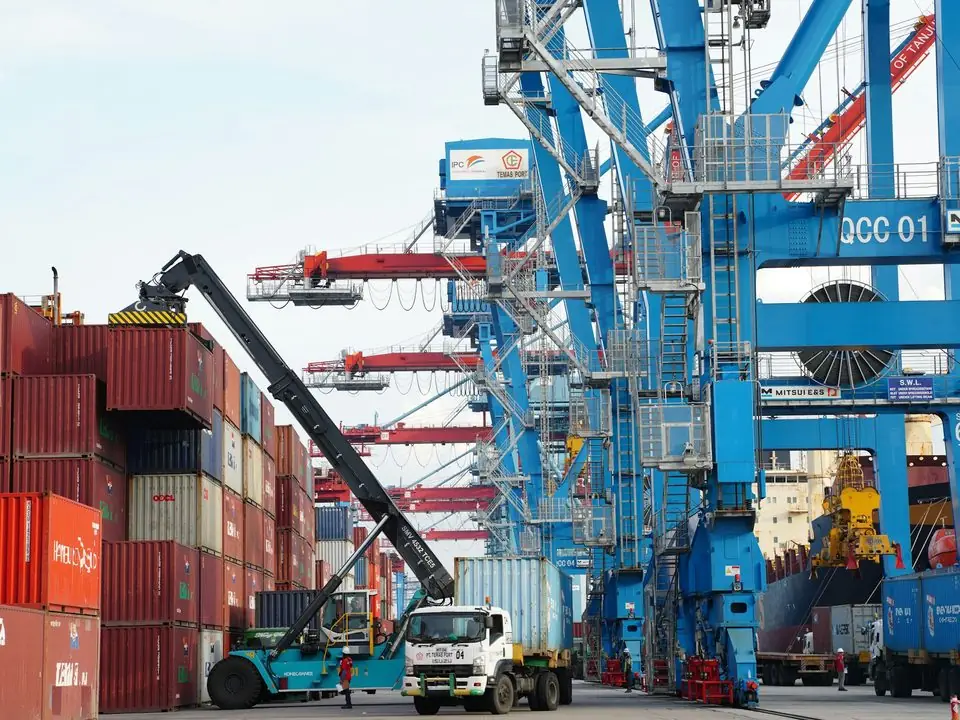
ERPNext inventory suits UAE traders, distributors and retailers holding stock across warehouses, showrooms and branches. It uses perpetual stock, so every Purchase Receipt, Delivery Note and Stock Entry updates quantity and the general ledger together. It supports FIFO or moving average valuation, batch, serial and expiry tracking, and Landed Cost Vouchers for freight and customs duty on imports through Jebel Ali.
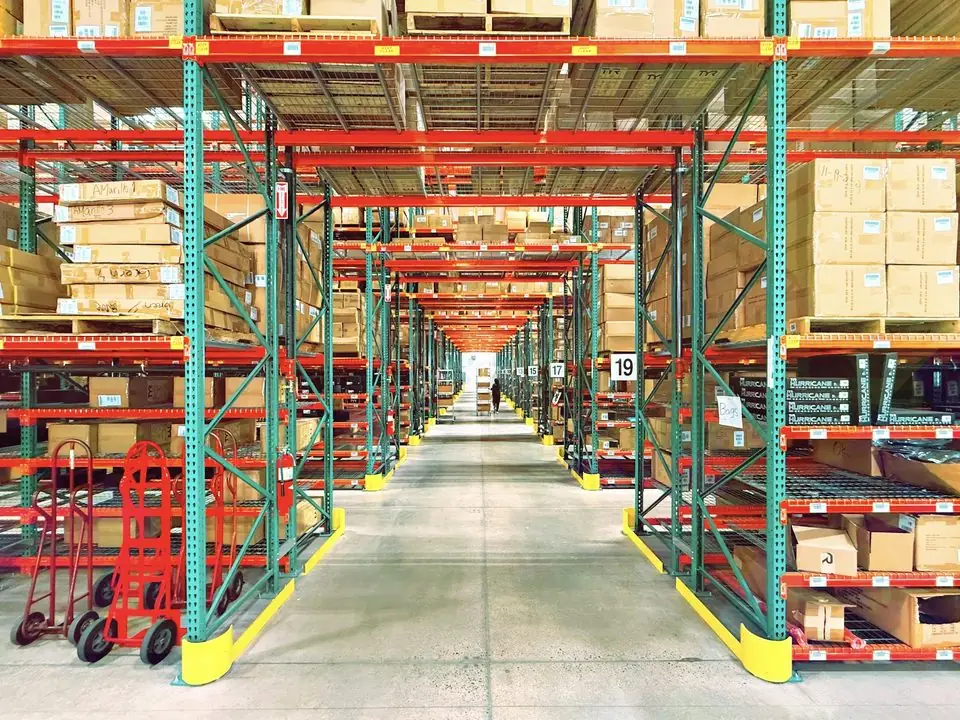
ERPNext inventory in the UAE is a common fit for trading companies, distributors and retailers that hold stock in several places: a main warehouse in Jebel Ali, Al Quoz or a Sharjah industrial area, a showroom, a few branches, and sometimes goods sitting with a third-party logistics provider. Each location is a warehouse in ERPNext, and every movement between them is recorded as a stock transaction with value.
Stock is perpetual, which means each Purchase Receipt, Delivery Note and Stock Entry updates both the quantity and the general ledger at the same moment. Valuation can be FIFO or moving average per item. Batches and serial numbers track expiry dates and individual units, and Landed Cost Vouchers add freight, customs duty and clearing charges to the cost of imported goods.
Where operations go beyond basic stock control, such as directed putaway or high-volume picking, we look at how far ERPNext's Putaway Rules and Pick Lists go before suggesting extra tools. Our warehouse management software page explains when a dedicated WMS makes sense.
The products we configure, integrate and support on projects like this one.
 ERPNext
 Frappe HR
 Frappe Framework
 Frappe CRM
Product names and logos are trademarks of their respective owners and are shown only to identify the software we implement.
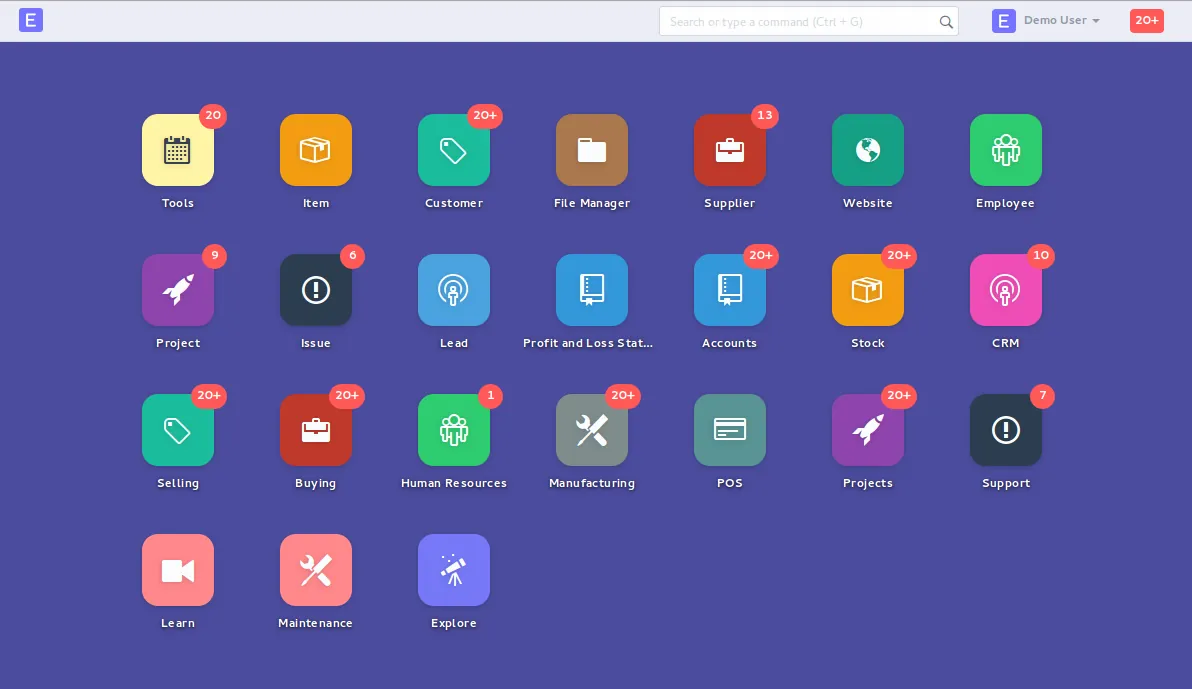
Store managers and buyers see what is on hand, what is reserved and what needs reordering.
A typical import-and-distribute flow for a UAE trading company looks like this.
One shared database: every step updates stock, finance and reports in real time.
These standard features cover most stock control needs of UAE trading, distribution and retail businesses.
Warehouses arranged in groups, with transfers recorded as Stock Entries and goods in transit tracked separately.
Items with variants for size or color, multiple units of measure and conversion factors, such as carton to piece.
Batch-wise expiry for food, cosmetics or pharma, and serial numbers for electronics and equipment with warranty.
Barcodes on items scanned in receipts, transfers, deliveries and POS using a handheld scanner or phone camera.
Reorder levels per warehouse that raise material requests automatically when stock falls below the threshold.
Freight, duty and clearing charges spread across received items, with FIFO or moving average valuation.
Physical counts entered by warehouse, with differences posted to a stock adjustment account for review.
Stock ledger, stock balance, projected quantity and ageing reports, filterable by warehouse, batch and item group.
Stock data is only useful if every sales channel and partner sees the same numbers.
Stock records feed directly into VAT and corporate tax figures, so a few settings matter. Confirm treatments with your tax advisor.
Import VAT, reverse charge and standard-rated sales are handled through tax templates on purchase and sales documents, so stock movements carry the right VAT into the 5% return figures.
Goods moving between VAT designated zones and the mainland can have different VAT treatment. We set up warehouses and tax categories so these movements are visible, and your advisor confirms how each is treated.
Closing stock value affects taxable income under the 9% corporate tax regime. Consistent valuation methods and documented stock counts support the figures in your return.
Batch and serial history shows where each lot came from and which customer received it, which helps with supplier claims, recalls and audit requests.
General information, not tax or legal advice. Rules change; confirm current FTA, MOHRE and Ministry of Finance guidance with your advisor.
Most inventory problems after go-live come from master data decisions made in a hurry.
See how ERPNext stock control links to purchasing, manufacturing and your sales channels.
We configure the system for the rules UAE businesses report against, and test it before go-live.
General information, not tax or legal advice. Confirm current requirements with the FTA, MOHRE or your advisor. See all UAE compliance guides.
On-site workshops in Dubai, Abu Dhabi and Sharjah, and remote or on-site delivery across the Northern Emirates and free zones.
Official sources and references
Facts on this page were checked against these sources in October 2026. Rules change, so confirm current requirements before acting.
Yes. Each location is a warehouse, and transfers between Dubai, Sharjah, Abu Dhabi or any other emirate are recorded with value. Users can be restricted to the warehouses they work in.
Yes. Items can hold one or more barcodes, and scanning works on receipts, transfers, deliveries and POS with a USB or Bluetooth scanner, or the camera on a phone or tablet.
Landed Cost Vouchers add freight, customs duty and clearing charges to the cost of received items, split by quantity, value or a manual basis. This gives a more accurate cost per unit for pricing.
Yes. Batch-tracked items store manufacturing and expiry dates, and reports show batches nearing expiry by warehouse. Selling can be set to pick older batches first.
ERPNext covers bins, putaway rules, pick lists and stock counts, which suits many traders. Very high-volume or automated warehouses may need a dedicated WMS integrated with ERPNext, and we will tell you honestly which you need.
Related Solutions
Related Industries
Related ERP Platforms
Share your warehouse locations and item count, and we will plan an ERPNext inventory setup that matches how your goods move.
Dubai, United Arab Emirates