L
O
A
D
I
N
G


Zoho, Odoo, ERPNext, Dynamics 365 and custom ERP, delivered by one accountable team.

UAE trading houses buy in dollars, yuan and euros, pay freight and duty, and sell across the GCC and Africa. We set up ERPNext so every shipment shows its true margin.
Yes. ERPNext suits UAE importers and general traders in Deira, Jebel Ali or free zones that buy in USD, CNY or EUR and resell locally or re-export to Oman, Saudi Arabia, East Africa or Iraq. Its Landed Cost Voucher adds freight, duty, insurance and clearing to each container's valuation. As open source software, ERPNext has no per-user licence fee for the software itself.
ERPNext for trading companies in the UAE suits a specific kind of business: a general trader or importer in Deira, Jebel Ali or a free zone that buys from overseas suppliers, holds stock in one or two warehouses, and resells to local customers or re-exports to Oman, Saudi Arabia, East Africa or Iraq. These companies live on thin margins, so the cost of each container has to be right before the selling price is set.
ERPNext is open source, built on the Frappe Framework, and has no per-user licence fee for the software itself. For a trading company that wants twenty or thirty users across purchasing, sales, stores and accounts, that changes the budget conversation. The cost moves to implementation, hosting and support, which we scope openly before work starts.
The standard Buying, Selling, Stock and Accounts modules already cover most of a trader's daily documents. Our work is shaping them around your shipment flow: how a supplier proforma becomes a purchase order, how freight and duty are spread over items, and how a re-export sale is invoiced without VAT errors. If you are still weighing platforms, our best ERP for trading companies guide compares the main options.
The products we configure, integrate and support on projects like this one.
 ERPNext
 Frappe HR
 Frappe Framework
 Frappe CRM
Product names and logos are trademarks of their respective owners and are shown only to identify the software we implement.
Most traders who come to us run accounting software plus spreadsheets for shipments. These are the gaps that cost them money.
Stock is valued at the supplier invoice price, while freight, insurance, customs duty and clearing charges sit in expense accounts. Gross margin looks healthy on paper and disappears at year end.
A purchase is booked at one USD or CNY rate and paid weeks later at another. Without automatic gain and loss entries, the bank balance and the ledger drift apart.
Many traders buy only after a customer confirms. When the customer order and the supplier order are not linked, partial shipments and short deliveries go unnoticed.
Sales to customers outside the UAE need different VAT treatment and export evidence. Mixing them with local sales makes the VAT return hard to prepare and harder to defend.
Traders often sell on credit to dozens of small shops and resellers. Without credit limits enforced at order entry, overdue balances grow quietly.
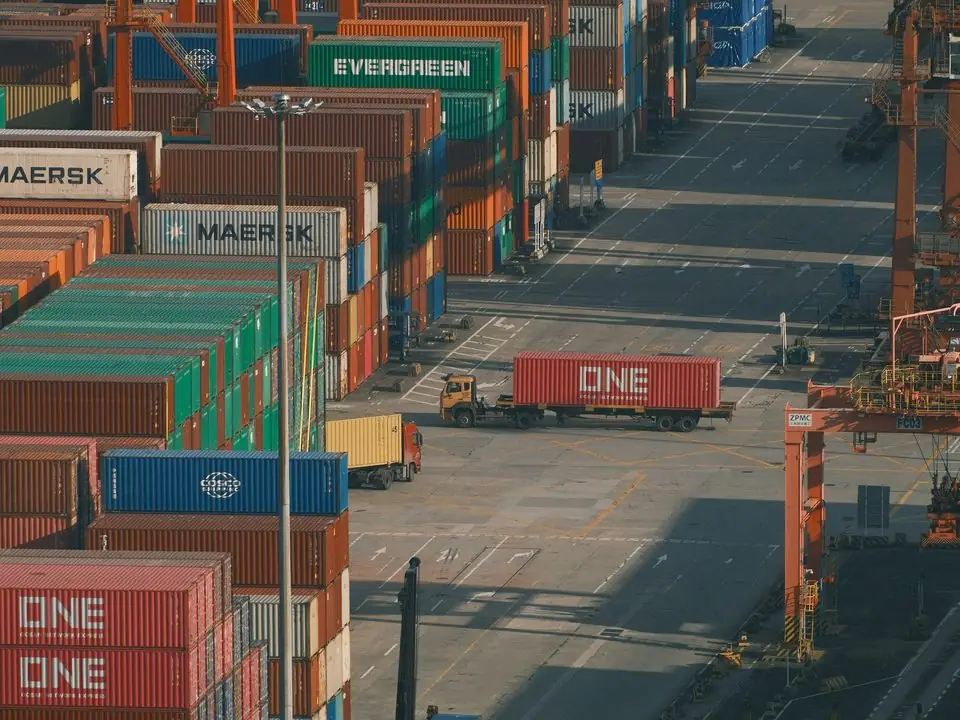
This is how one container moves through ERPNext for a Dubai-based trader, from supplier order to customer receipt.
One shared database: every step updates stock, finance and reports in real time.
These are the parts of ERPNext a trading company uses every day. We keep the configuration tight so users see only what they need.
Request for quotation, supplier quotation comparison and purchase orders in the supplier's currency, with payment terms for advances and balances.
Adds freight, insurance, duty and clearing charges to the receipt and spreads them across items by amount, quantity or a custom basis.
Warehouses for main store, bonded or free zone stock and goods in transit, with batch or serial tracking where your products need it.
Quotations, sales orders and price lists per customer group, so wholesale, retail and export customers each get the right rate.
Multi-currency ledgers, exchange rate revaluation, bank reconciliation and UAE VAT templates for standard, zero-rated and exempt lines.
Customer credit limits and payment terms checked when a sales order is submitted, with overdue reports for the collections team.
Variants for size, color or grade and unit conversion between cartons, pieces and kilograms so buying and selling units can differ.
Gross profit by item, customer and sales person, stock ageing and purchase analytics for the owner and finance manager.
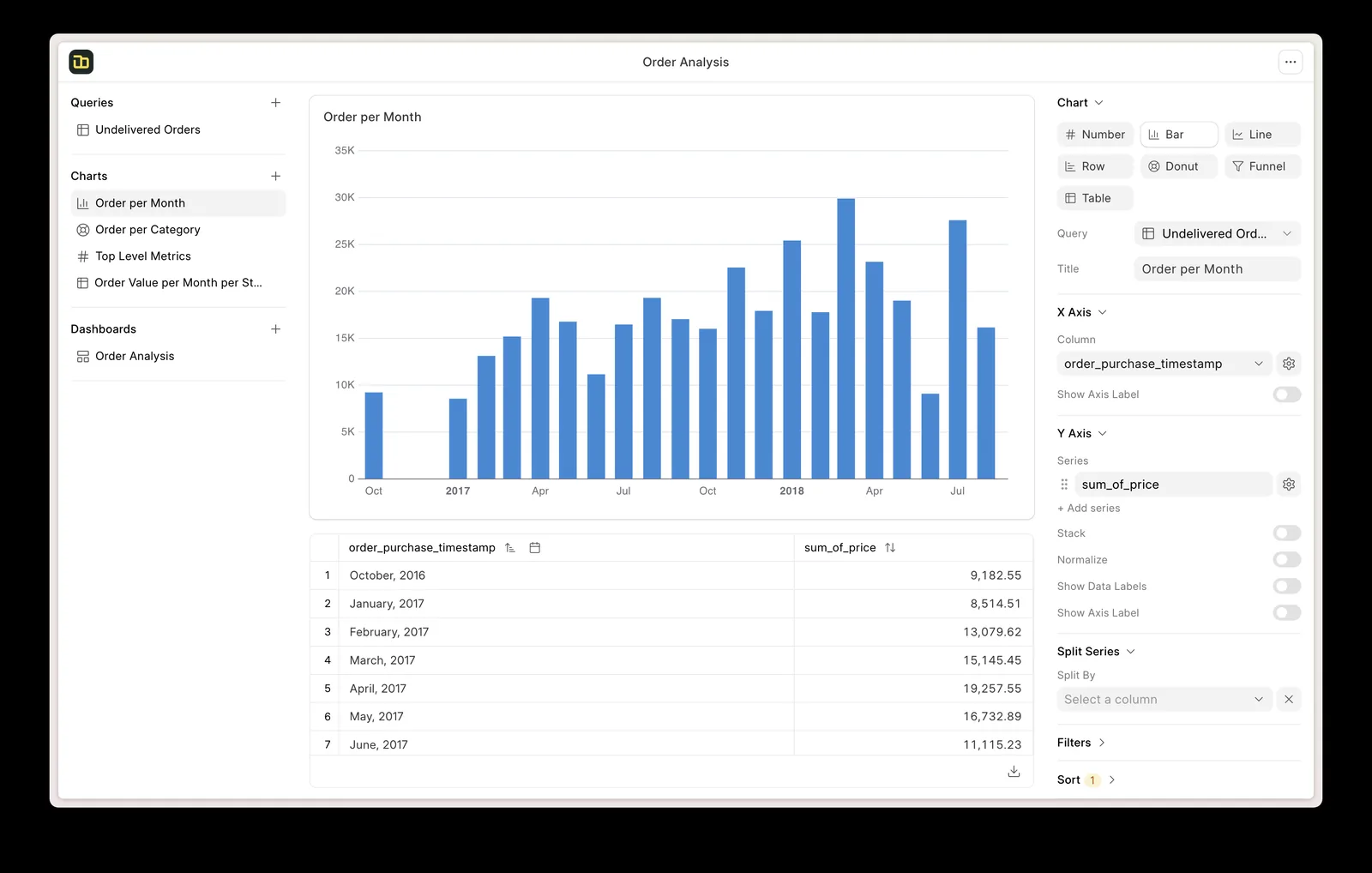
We build a workspace for the owner and the purchasing manager that answers the questions they ask every day.
ERPNext can be configured to support these requirements. The tax treatment of your specific transactions should be confirmed with your tax advisor.
UAE VAT is 5%, filed through EmaraTax, usually quarterly. Import VAT for registered businesses is generally handled through the reverse charge, and exports can be zero-rated when the conditions and evidence are met. We set tax templates and reports so these lines land in the right return boxes.
Tax invoices need your TRN and the prescribed fields. We design ERPNext print formats with those fields and keep the audit trail switched on. If you need software listed on the FTA's Tax Accounting Software Register, check the FTA's current register for the specific product and version.
Corporate tax is 0% up to AED 375,000 of taxable income and 9% above. If your trading entity is in a free zone and wants Qualifying Free Zone Person treatment, separate tracking of qualifying and non-qualifying income matters. We set cost centers and accounts to make that split visible.
UAE e-invoicing uses the PINT AE specification through Accredited Service Providers. Businesses with revenue of AED 50 million or more are mandated from 1 January 2027, others from 1 July 2027. We plan the ASP connection for ERPNext early. Check the latest Ministry of Finance and FTA guidance, as dates have changed before.
General information, not tax or legal advice. Rules change; confirm current FTA, MOHRE and Ministry of Finance guidance with your advisor.
A focused ERPNext rollout for a trading company often takes 6 to 12 weeks, depending on item count, warehouses and how clean the opening data is.
Durations are typical ranges; your plan is agreed after discovery.
We walk through a real container from proforma to payment and list every document, charge and approval.
Item master cleanup, variants, units, price lists and supplier and customer records with credit terms.
Landed cost rules, tax templates, print formats, approval workflows and the owner's dashboard.
Stock, receivables and payables loaded at cut-off, then a full test cycle with your team using recent shipments.
On-site or remote support in the first weeks, including the first VAT period close in ERPNext.
More on ERPNext and trading software in the UAE.
We configure the system for the rules UAE businesses report against, and test it before go-live.
General information, not tax or legal advice. Confirm current requirements with the FTA, MOHRE or your advisor. See all UAE compliance guides.
On-site workshops in Dubai, Abu Dhabi and Sharjah, and remote or on-site delivery across the Northern Emirates and free zones.
Official sources and references
Facts on this page were checked against these sources in October 2026. Rules change, so confirm current requirements before acting.
Still have a question? Our consultants are happy to help.
Ask an ExpertYes. The Landed Cost Voucher links to one or more purchase receipts and adds freight, duty, insurance and clearing charges to item valuation. You choose how charges are distributed, for example by value or quantity. Margins then reflect the real cost of the goods.
Yes. Suppliers can have their own billing currency, and ERPNext records both the transaction currency and the AED amount. Exchange gains and losses are posted when payments are made, and the exchange rate revaluation tool adjusts open balances at period end.
We can create purchase orders directly from a sales order so the two stay linked. Purchasing then sees which customer each supplier order belongs to, and partial receipts and deliveries are tracked against both documents.
It can be. ERPNext supports multiple companies in one system, so a mainland and a free zone entity can share items and customers while keeping separate books. The VAT and corporate tax treatment of free zone transactions should be confirmed with your tax advisor.
Usually we migrate masters, open balances and open documents, and keep detailed history in Tally or an archive for reference. Our Tally to ERPNext migration page explains the approach.
Related Solutions
Related Industries
Related ERP Platforms
Send us one recent container's documents and we will show you how it would look in ERPNext, including landed cost and margin.
Dubai, United Arab Emirates