L
O
A
D
I
N
G


Zoho, Odoo, ERPNext, Dynamics 365 and custom ERP, delivered by one accountable team.

Distributors serve hundreds of outlets a week across the emirates. We set up ERPNext to handle fast picking, route deliveries, promotions and returns without losing control of credit or expiry.
ERPNext for distribution in the UAE handles high-volume order-to-delivery work for food, beverage, personal care and pharmaceutical distributors: sales orders, pick lists by route, delivery notes, delivery trips, pricing rules for trade schemes and batch-wise stock with expiry dates. A focused rollout often takes eight to twelve weeks, longer when a custom van sales app is in scope.
ERPNext for distribution in the UAE is about volume and repetition. A food, beverage, personal care or pharmaceutical distributor may supply groceries, supermarkets, pharmacies and HoReCa outlets from a warehouse in Al Quoz, Jebel Ali, Sharjah or Mussafah. Orders arrive daily, deliveries run on fixed routes, and margins depend on how well schemes, returns and expiry are controlled.
This is a different job from import trading. Container landed cost matters less here than order turnaround, picking accuracy, and keeping the field sales team on agreed prices. ERPNext's Selling and Stock modules handle the core: sales orders, pick lists, delivery notes, delivery trips, pricing rules and batch-wise stock with expiry dates.
Where distributors need more, such as van sales on handheld devices or integration with a retailer's ordering portal, we build it on ERPNext's REST API. For a platform-neutral overview of what distributors need, see our ERP for distribution companies page.
The products we configure, integrate and support on projects like this one.
 ERPNext
 Frappe HR
 Frappe Framework
 Frappe CRM
Product names and logos are trademarks of their respective owners and are shown only to identify the software we implement.
These issues come up with almost every distributor we speak to, especially in FMCG and pharma.
Buy-ten-get-one offers, slab discounts and listing fees are agreed with each chain and remembered by the salesman. Invoices go out with the wrong scheme, and claims with principals are hard to support.
Without expiry dates on batches, older stock sits behind newer stock in the warehouse. Write-offs and customer returns of short-dated goods eat into margin.
Pickers work from printed invoices in no particular order. Wrong items and short quantities lead to returns, credit notes and unhappy buyers.
Damaged and expired returns come back on the truck without proper documents. Credit notes are raised late or twice, and stock records drift.
Small groceries and cafeterias buy on credit. Salesmen keep taking orders from accounts that are already overdue because they cannot see the balance.
Management knows total sales but not which routes, drivers or customer types are profitable after delivery cost and returns.
A typical day for a UAE distributor once orders, picking and deliveries run in ERPNext.
One shared database: every step updates stock, finance and reports in real time.
These standard and extended ERPNext features cover the distributor's core cycle.
Discounts and free items by customer group, territory, item group or quantity slab, applied automatically on orders and invoices.
Groups items from several sales orders into one pick, suggests batches and locations, and feeds the delivery note.
Assigns delivery notes to a vehicle and driver, orders stops and records arrival and delivery status.
Batches with manufacturing and expiry dates, batch selection on picking and reports on stock nearing expiry by location.
Customers assigned to territories and sales persons with targets, commission and route-based reports.
Limits per customer and company, checked when sales orders are submitted, with an approval role allowed to override.
Return delivery notes and credit notes against the original invoice, with damaged and saleable goods sent to different warehouses.
Mobile-friendly order forms or a custom app on the ERPNext API so salesmen book orders and collections on the road.
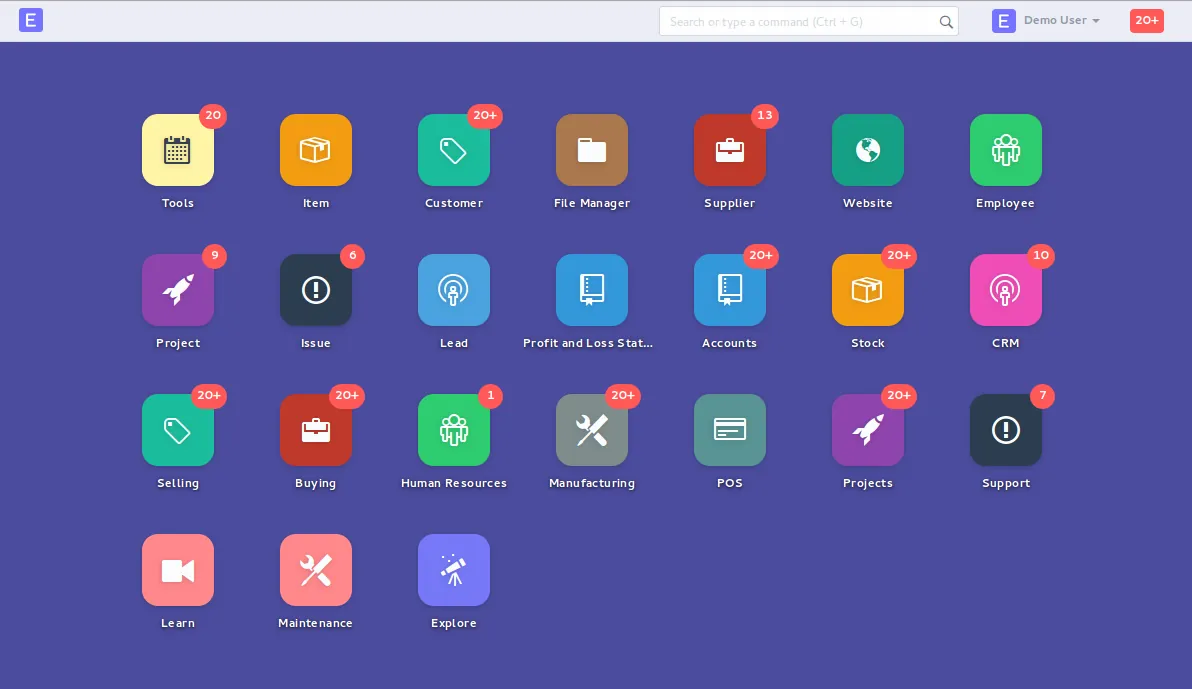
We build an ERPNext workspace that shows the warehouse and logistics supervisor what is outstanding today.
ERPNext is configured to support these requirements. Confirm VAT treatment of schemes, free goods and returns with your tax advisor.
Free goods and promotional discounts can have VAT consequences. We set pricing rules and invoice formats so discounts and zero-priced lines appear clearly on the tax invoice, in line with your advisor's guidance.
Tax credit notes must reference the original tax invoice and carry the prescribed details. ERPNext return invoices link back to the original and adjust output VAT in the period they are issued.
Pharmaceutical and food distributors work under health authority and municipality rules on storage and recalls. Batch traceability in ERPNext helps you respond to a recall by listing every customer who received a batch.
Distributor invoices to retailers are B2B and will come under the e-invoicing mandate, with AED 50 million plus businesses first from 1 January 2027. We plan the PINT AE data mapping in ERPNext; our ERP for UAE e-invoicing page has more detail. Check the latest Ministry of Finance and FTA guidance.
General information, not tax or legal advice. Rules change; confirm current FTA, MOHRE and Ministry of Finance guidance with your advisor.
A focused ERPNext rollout for a distributor often takes 8 to 12 weeks, longer when a custom field-sales app is part of scope.
Durations are typical ranges; your plan is agreed after discovery.
We ride along with a route, watch picking and map schemes, returns and collection practices.
Items with batches, customers with territories and limits, price lists and pricing rules for current schemes.
Bins, pick list settings, delivery trip process and return warehouses.
Full-day simulations with salesmen, pickers, drivers and accounts using real order volumes.
Cut-over at a weekend stock count, then daily support through the first month.
More on distribution ERP and ERPNext in the UAE.
We configure the system for the rules UAE businesses report against, and test it before go-live.
General information, not tax or legal advice. Confirm current requirements with the FTA, MOHRE or your advisor. See all UAE compliance guides.
On-site workshops in Dubai, Abu Dhabi and Sharjah, and remote or on-site delivery across the Northern Emirates and free zones.
Official sources and references
Facts on this page were checked against these sources in October 2026. Rules change, so confirm current requirements before acting.
Still have a question? Our consultants are happy to help.
Ask an ExpertYes. Pricing rules and promotional schemes can give discounts or free items based on customer, territory, item group or quantity. Once set, they apply on the sales order and invoice without the salesman typing them in.
ERPNext tracks expiry dates on batches and the pick list suggests batches for each line. We configure and test the batch selection to match your rotation policy, and add near-expiry reports so the team can act before stock becomes unsellable.
Van sales is not a standard ERPNext feature. We build mobile order and collection screens on the ERPNext API or adapt community apps, depending on how offline the routes are. Scope is agreed after discovery.
Returns are recorded against the original invoice, which creates a credit note and returns stock. Damaged or expired goods go to a separate warehouse so they are not resold, and reasons are tracked for reporting to principals.
Yes. Item groups or brand fields let you report sales, schemes and returns by principal. Many distributors use these reports to support claims and quarterly reviews with the brands they represent.
Related Solutions
Related Industries
Related ERP Platforms
Tell us your routes, schemes and warehouse layout and we will propose an ERPNext design for your daily cycle.
Dubai, United Arab Emirates