L
O
A
D
I
N
G


Zoho, Odoo, ERPNext, Dynamics 365 and custom ERP, delivered by one accountable team.

Retailers need checkout that works at rush hour, stock that is right in every store, and head-office numbers by evening. We set up ERPNext for that daily rhythm.
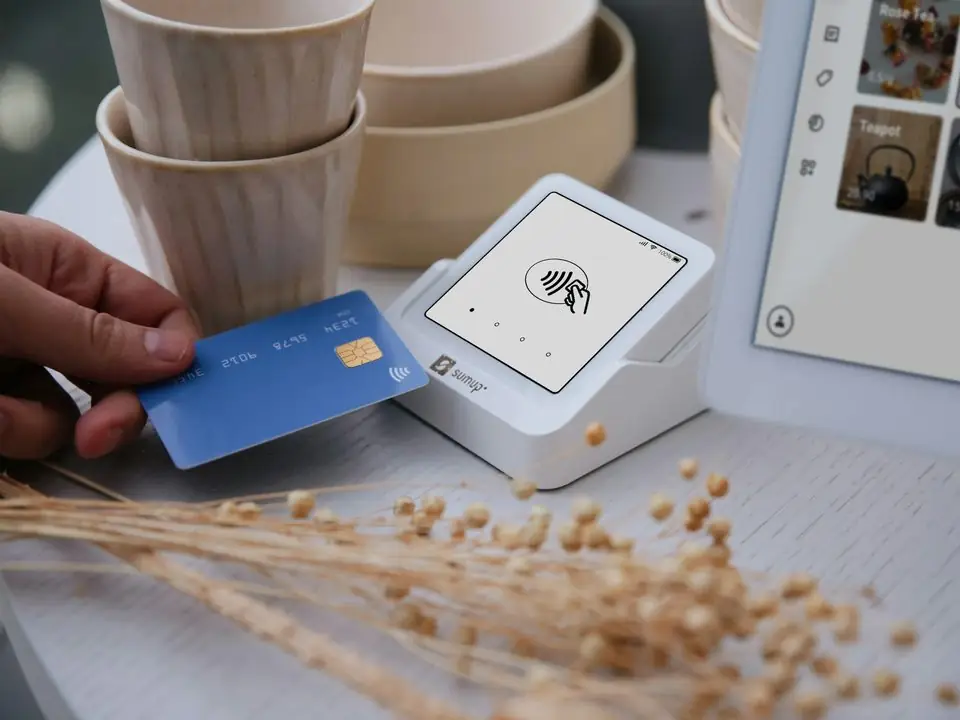
ERPNext suits UAE retail chains with two to a few dozen stores, such as mobile accessories, perfume, home goods or hardware outlets. Its Point of Sale uses store-level POS profiles with their own price list and warehouse, so each counter sale reduces store stock and posts revenue and 5% VAT directly. Loyalty points, pricing rules and warehouse-to-store transfers are built in.
ERPNext for retail in the UAE works best for chains of two to a few dozen stores: mobile accessory shops, home goods stores, perfume and cosmetics outlets, stationery, hardware and specialty food. Stores might be in malls in Dubai and Abu Dhabi, high streets in Sharjah and Ajman, or neighborhood centers in Al Ain. Each store has its own stock, cash drawer and staff, while buying and pricing are run centrally.
ERPNext includes a Point of Sale screen tied to POS profiles, opening and closing entries, and the same item and stock records used by purchasing and accounts. A sale at the counter reduces store stock and posts revenue and VAT without a separate integration. That matters for retailers who have tried bolt-on POS systems that never quite matched the books.
Where retail needs go beyond standard ERPNext, for example heavy promotions engines or advanced offline checkout, we discuss options openly, including dedicated POS front ends linked through the API. Our retail POS software page covers those choices.
The products we configure, integrate and support on projects like this one.
 ERPNext
 Frappe HR
 Frappe Framework
 Frappe CRM
Product names and logos are trademarks of their respective owners and are shown only to identify the software we implement.
These come from UAE retail owners and store managers, not from software brochures.
Shift closing is done on paper. Differences between expected and counted cash, card slips and digital wallet payments are found days later, if at all.
Transfers between stores and the warehouse are made by phone and WhatsApp. System stock is wrong until the next count, so customers are told items are available when they are not.
Head office decides on a promotion, but each store updates prices by hand. Some stores sell at the old price for days.
UAE consumer prices are generally displayed including VAT. Systems that add VAT on top, or round it differently, produce receipts that do not match the shelf price.
Loyal customers are anonymous. There is no way to reward repeat purchases or to see which customers stopped coming.
A typical store day once POS and stock run in ERPNext.
One shared database: every step updates stock, finance and reports in real time.
Standard ERPNext functions plus the configuration we usually add for multi-store retail.
Barcode scanning, item search, customer lookup, split payments across cash, card and wallet, and returns against earlier receipts.
One profile per store or till with its own warehouse, price list, payment methods and allowed users.
Cashiers open with a float and close with counted amounts per payment method. Differences are recorded and reviewed.
Size, color and style variants with their own barcodes, so fashion, footwear and accessory stores can track exactly what sells.
Store-specific or chain-wide discounts, buy-x-get-y offers and time-bound promotions controlled from head office.
Points earned per spend, tiers and redemption at the counter, linked to the customer record.
Material requests from stores and stock entries for transfers, with in-transit tracking between warehouse and store.
Sales by store, item, cashier and hour, plus stock cover and slow movers per location.
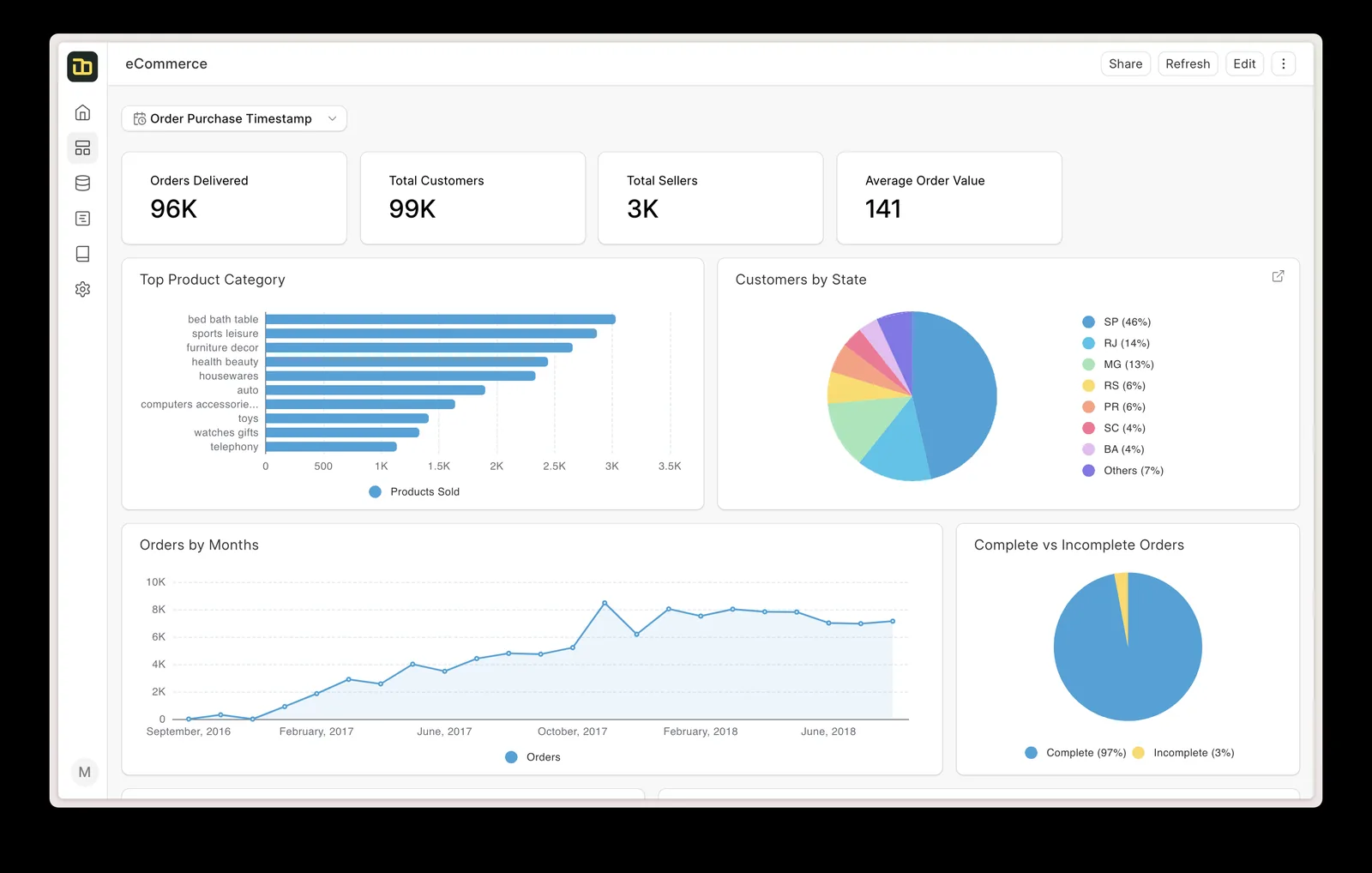
Owners and area managers see every store's performance in one ERPNext workspace.
ERPNext supports these requirements through configuration. Confirm the VAT treatment of your promotions and refunds with your tax advisor.
We set VAT on retail items as included in the price, so the shelf price is what the customer pays and the receipt shows the VAT amount separately. Rounding is tested on mixed baskets before go-live.
Retail sales can often use a simplified tax invoice, while business customers may ask for a full tax invoice with their TRN. We design both receipt and invoice formats in ERPNext.
Returns are linked to the original receipt and reverse VAT correctly. Store managers approve refunds above a set amount.
Retailers in the VAT refund scheme for tourists need their checkout to work with the scheme operator, which may need integration work. B2C retail sales are treated differently from B2B under e-invoicing; check the latest Ministry of Finance and FTA guidance on scope and dates.
General information, not tax or legal advice. Rules change; confirm current FTA, MOHRE and Ministry of Finance guidance with your advisor.
We usually pilot one store before moving the chain. A focused rollout for a small chain often takes 6 to 10 weeks.
Durations are typical ranges; your plan is agreed after discovery.
We spend time at a busy store and the warehouse to see checkout, transfers and closing in practice.
Clean item master with barcodes and variants, store price lists, tax settings and current promotions.
POS profiles, receipt printers, scanners and cash drawers tested per store, plus closing procedures.
One store runs fully on ERPNext; we fix issues before wider rollout.
Stores move over in groups, each starting with a stock count.
More on retail ERP and ERPNext in the UAE.
We configure the system for the rules UAE businesses report against, and test it before go-live.
General information, not tax or legal advice. Confirm current requirements with the FTA, MOHRE or your advisor. See all UAE compliance guides.
On-site workshops in Dubai, Abu Dhabi and Sharjah, and remote or on-site delivery across the Northern Emirates and free zones.
Official sources and references
Facts on this page were checked against these sources in October 2026. Rules change, so confirm current requirements before acting.
Still have a question? Our consultants are happy to help.
Ask an ExpertThis depends on the ERPNext version and setup. We test connectivity scenarios at each store during the pilot and, where offline selling is critical, look at a POS front end designed for offline use that syncs with ERPNext.
Yes. Each POS profile can use its own price list, and pricing rules can apply to specific stores or territories. Head office still controls the item master.
Yes. The Loyalty Program lets customers earn points per spend, with tiers and expiry, and redeem points at the POS. Points are tied to the customer, usually identified by mobile number.
Stores raise material requests, the warehouse issues stock through a stock entry, and the store confirms receipt. Goods in transit can be kept in a transit warehouse so nothing disappears between locations.
Yes, through its API or existing connectors, depending on the platform. Online orders can create sales orders and draw on a dedicated warehouse. See our ecommerce ERP page for integration options.
Related Solutions
Related Industries
Related ERP Platforms
Send us a sample of your item list and we will set up a demo till with your prices and VAT settings.
Dubai, United Arab Emirates