L
O
A
D
I
N
G


Zoho, Odoo, ERPNext, Dynamics 365 and custom ERP, delivered by one accountable team.

When a UAE company adds entities, branches and department heads, ERPNext gives it controls, consolidated reporting and HR without enterprise licence costs.
ERPNext suits UAE SMEs with roughly 20 to 250 staff that need structure: several legal entities on one site, each with its own chart of accounts and TRN, intercompany invoicing, branch cost centres, approval workflows with amount limits, and Frappe HR for payroll. Because ERPNext is open source, SMEs pay for hosting, implementation and support rather than per-user licences.
UAE SMEs in the 20 to 250 employee range face a different problem from very small firms. The issue is no longer getting off spreadsheets; it is control. There may be a mainland LLC and a free zone company, a warehouse in Jebel Ali and a showroom in Abu Dhabi, a finance manager who wants approvals and a CEO who wants group figures without waiting for month end. ERPNext for SMEs UAE projects are about adding that structure.
ERPNext handles multiple companies on one site, each with its own chart of accounts, TRN and fiscal settings, and intercompany invoices between them. Branches and departments can be cost centers or accounting dimensions. Workflows add approval steps with amount limits to purchase orders, payments and expense claims. Frappe HR brings employees, leave and payroll onto the same database, which most growing SMEs need by this stage.
Because ERPNext is open source, an SME pays for hosting, implementation and support rather than per-user licences, which matters as headcount grows. If you are comparing it with a licensed platform, see ERPNext vs Dynamics 365 and our best ERP for SMEs guide.

The products we configure, integrate and support on projects like this one.
 ERPNext
 Frappe HR
 Frappe Framework
 Frappe CRM
Product names and logos are trademarks of their respective owners and are shown only to identify the software we implement.
These issues appear once a business has more than one entity, location or management layer.
Each entity closes its own books in a separate file or system. Management sees consolidated profit weeks after month end, too late to act on.
Department heads raise purchases directly with suppliers. Finance finds out when the invoice arrives, and budgets are tracked in a side spreadsheet.
A Jebel Ali warehouse, a showroom and a van fleet each hold stock. Transfers are made by phone, so inter-branch balances never reconcile.
Mainland and free zone companies trade with each other, but invoices are booked differently on each side, which complicates VAT and corporate tax work.
Leave, attendance and payroll run in a separate tool, so labour costs reach the books as one monthly journal with no department detail.
SMEs below AED 50 million revenue face e-invoicing from July 2027, and their current tools may not produce structured invoice data.
A purchase flow we commonly configure for SMEs with several departments.
One shared database: every step updates stock, finance and reports in real time.
A broader set than a small business needs, chosen to give control across entities and teams.
Separate books per legal entity, intercompany invoices and consolidated financial statements.
Branch, department and project dimensions with budgets that warn or stop overspending.
Configurable approval states and role-based transitions on purchases, payments, discounts and leave.
Warehouses per site, stock transfers, batch and serial tracking, and reorder rules per location.
Employees, leave, attendance and payroll per company, with costs posted by department.
Project costing and billing for SMEs that deliver contracts or services.
Lead pipeline, price lists per customer group, and sales targets per salesperson.
Role-based workspaces, scheduled email reports and custom query reports.
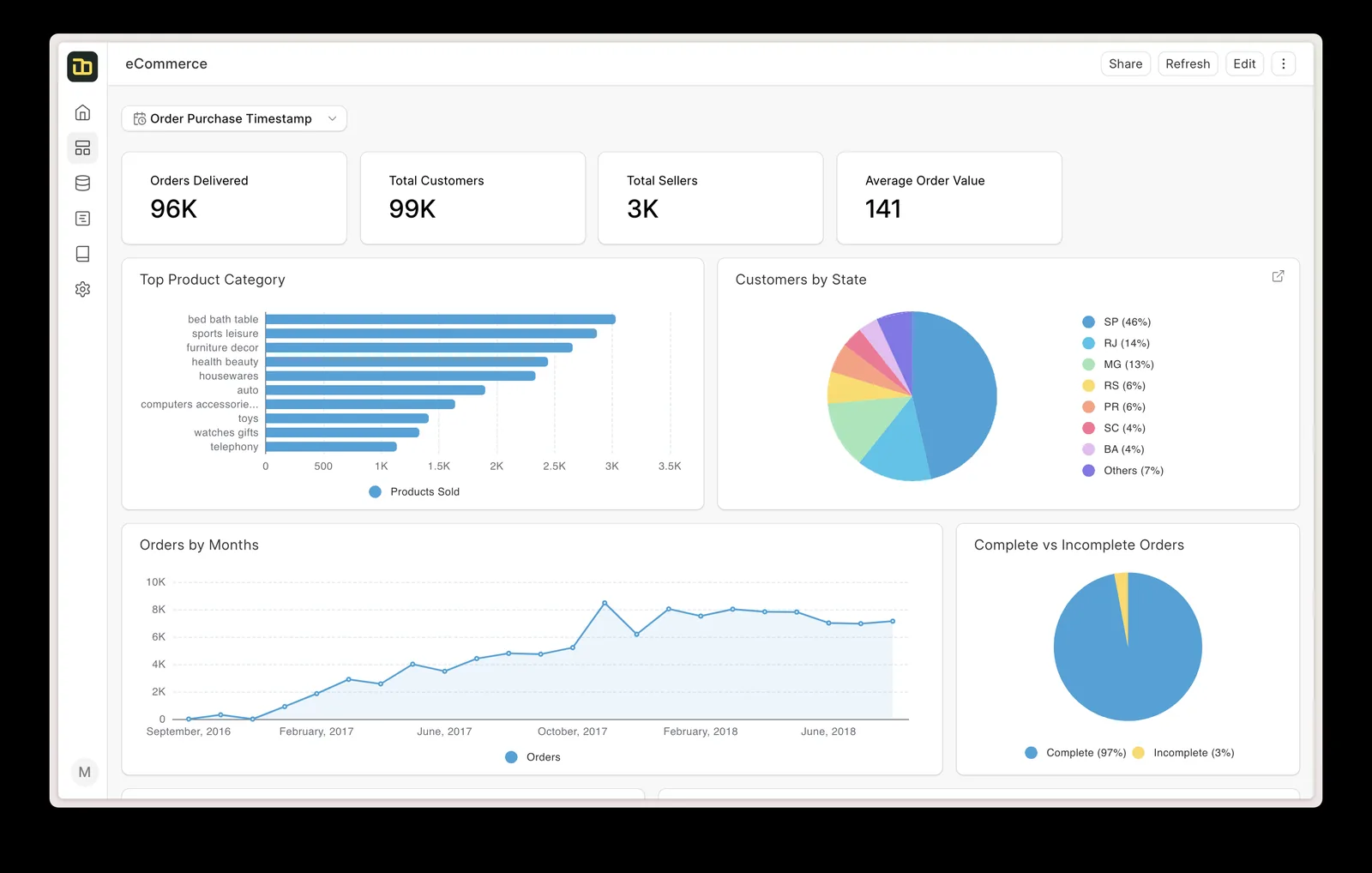
We build a management workspace that pulls figures from every company on the site.
We set up ERPNext to support these obligations. Confirm specifics with your tax advisor.
Each company keeps its own TRN and VAT templates. If entities form a VAT group, we configure reporting to support a single group return; your advisor confirms grouping eligibility.
Mainland entities pay 9% above AED 375,000 of taxable income. A Qualifying Free Zone Person may get 0% on qualifying income if conditions are met. Separate books and tagged intercompany transactions help that analysis.
Related-party transactions between your entities should be documented. Intercompany invoices in ERPNext give a clear transaction trail for your advisor.
SMEs below AED 50 million revenue are expected to appoint an ASP by 31 March 2027 and go live from 1 July 2027; larger groups go live from 1 January 2027. Check the latest Ministry of Finance and FTA guidance.
Each employing entity produces its own WPS salary file. We build the SIF export per company from ERPNext payroll.
General information, not tax or legal advice. Rules change; confirm current FTA, MOHRE and Ministry of Finance guidance with your advisor.
SME projects take longer than small business setups because of entities, approvals and data volume. These are typical ranges.
Durations are typical ranges; your plan is agreed after discovery.
Workshops per department, entity structure, approval matrix and reporting needs.
Companies, dimensions, workflows, print formats, warehouses and HR settings.
Custom reports, the WPS export, bank or ecommerce integrations and any custom doctypes.
Masters, open transactions and balances per entity, then user acceptance testing.
Phased go-live by entity or module, with on-site and remote support through the first close.
Compare platforms and explore ERPNext modules for growing companies.
We configure the system for the rules UAE businesses report against, and test it before go-live.
General information, not tax or legal advice. Confirm current requirements with the FTA, MOHRE or your advisor. See all UAE compliance guides.
On-site workshops in Dubai, Abu Dhabi and Sharjah, and remote or on-site delivery across the Northern Emirates and free zones.
Official sources and references
Facts on this page were checked against these sources in October 2026. Rules change, so confirm current requirements before acting.
Still have a question? Our consultants are happy to help.
Ask an ExpertYes. Both companies sit on one ERPNext site with separate charts of accounts, TRNs and settings. Intercompany invoices link the two, and consolidated reports give group figures.
ERPNext workflows define states such as draft, pending manager approval and approved, and which roles can move a document between them. Conditions such as order value decide which path applies.
Yes, with proper hosting and sensible customization. Performance depends more on server sizing and report design than on the software itself.
ERPNext suits SMEs that want low licence cost and flexibility and are comfortable with a partner maintaining customizations. Licensed platforms such as Dynamics 365 may fit better where Microsoft ecosystem integration matters. We implement both and will say which fits.
Yes. Many SMEs start with accounts, buying, selling and stock, then add HR, payroll and projects in a second phase once the first is stable.
Related Solutions
Related Industries
Related ERP Platforms
Share your entities, branches and approval rules, and we will outline an ERPNext design and phased plan.
Dubai, United Arab Emirates