L
O
A
D
I
N
G


Zoho, Odoo, ERPNext, Dynamics 365 and custom ERP, delivered by one accountable team.

Run stock, landed cost and re-export paperwork for your Jebel Ali Free Zone warehouse in one system that finance and operations both trust.
Jebel Ali Free Zone (JAFZA), Dubai, UAEOn-site and remote ERP support
ERP software for JAFZA companies must reconcile what the warehouse holds, what customs has on record and what accounts show as inventory value. It holds the declaration references that tie duty-suspended imports to re-exports or mainland imports, and allocates freight, insurance, port handling, demurrage and clearing charges to items by value, weight or volume so re-export margins are accurate.
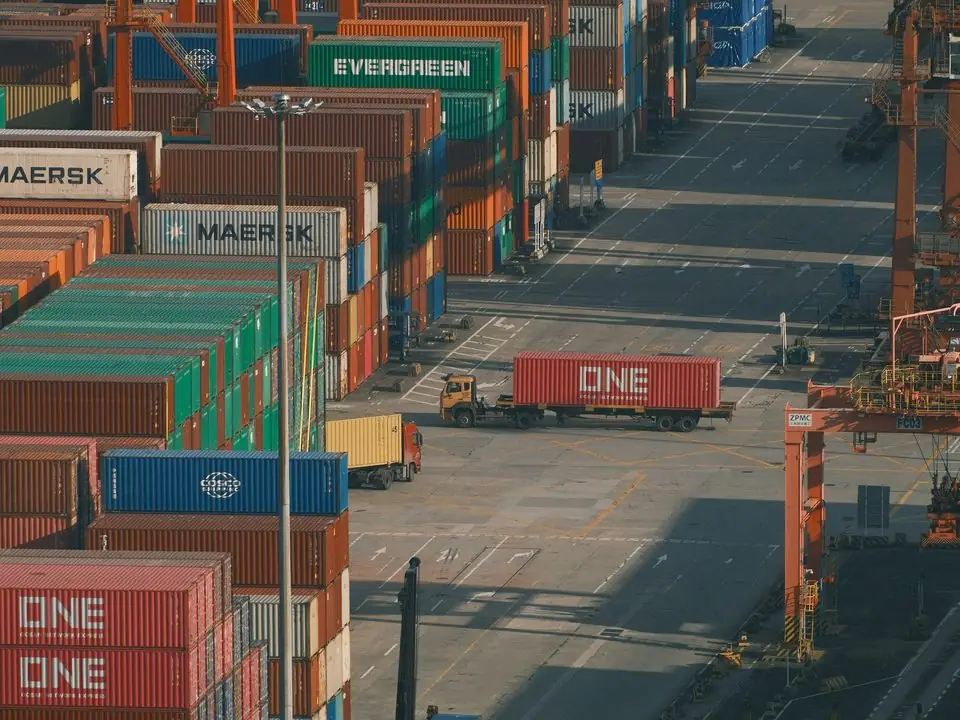
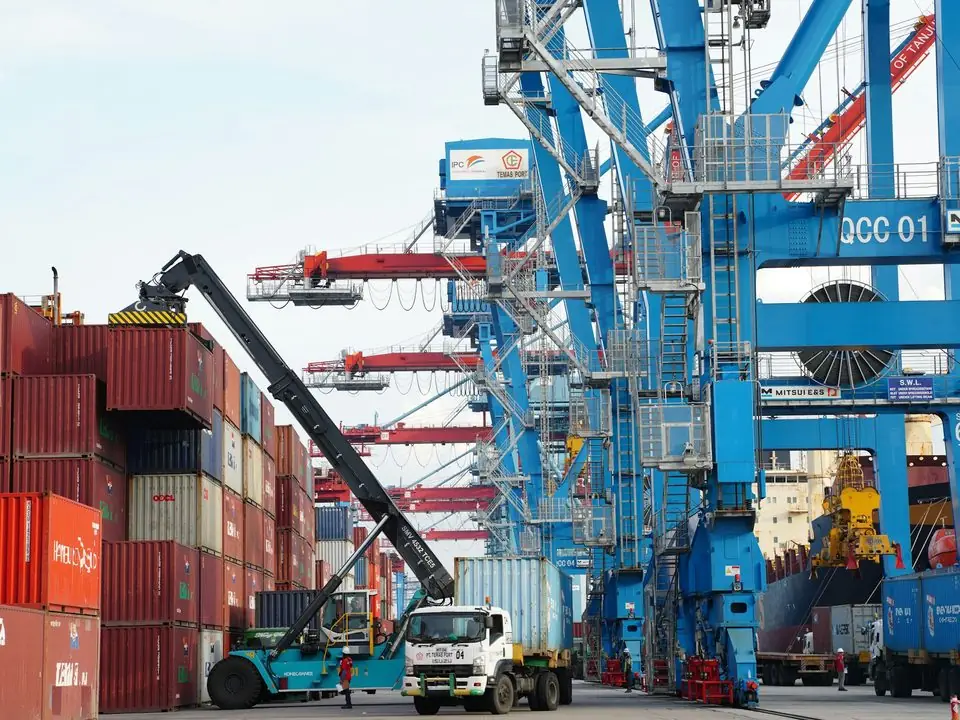
Jebel Ali Free Zone sits beside Jebel Ali Port and close to Al Maktoum International Airport, which is why it became the base for regional distribution hubs, re-exporters and light assembly operations. A typical JAFZA licensee runs a warehouse or leases space in a logistics facility, imports full containers, breaks bulk and ships smaller consignments to the GCC, Africa, the CIS and the Indian subcontinent. ERP Software JAFZA buyers usually come to us when stock, customs paperwork and accounts no longer agree.
The pain is rarely the general ledger. It is the gap between what the warehouse holds, what customs has on record and what the accounts show as inventory value. Goods arrive under one declaration, sit in the zone with duty suspended, and leave under another declaration for re-export or for import into the mainland. Each movement has a different customs and VAT effect, and the ERP has to hold the references that tie them together.
Landed cost is the second recurring issue. Freight, insurance, port handling, demurrage, inspection and clearing agent fees arrive on separate bills weeks after the container. If those costs are not allocated back to the items, margins on every re-export look better than they really are. A good JAFZA setup allocates these charges by value, weight or volume and revalues stock before the goods are sold.
UAE ERP Experts implements Odoo, Microsoft Dynamics 365 Business Central, ERPNext, Zoho and custom ERP for JAFZA companies from our Dubai base, and we visit warehouses in the zone for discovery and go-live. If you also run a mainland trading arm, see our Jebel Ali ERP company page, which covers businesses outside the free zone boundary.
The points below explain what your ERP should capture. They are not tax advice; confirm the treatment of your specific flows with your tax advisor and customs broker.
Jebel Ali Free Zone is widely understood to be a designated zone for VAT purposes, which can change the VAT treatment of goods moving within or between designated zones. The rules have conditions, apply to goods rather than services, and depend on the specific premises, so check the Cabinet's current list and your facts with your advisor. In the ERP, we set up separate tax codes for designated zone movements, mainland sales and exports.
When goods move from JAFZA into the UAE mainland, import VAT and customs duty usually become relevant. The ERP should record the exit declaration, the duty paid and the import VAT so finance can reconcile them against the customs statement and the VAT return filed on EmaraTax.
Zero-rating exports depends on holding the right evidence, such as exit declarations and shipping documents, within the time limits the rules set. Attaching these to the sales invoice in the ERP saves a search when the FTA or your auditor asks.
A JAFZA company may be a Qualifying Free Zone Person if it meets the substance, audit, transfer pricing and de minimis conditions, and if its income comes from qualifying activities such as certain distribution from a designated zone. Sales to mainland customers can be non-qualifying. The ERP should split revenue by customer location and activity so your advisor can test the position.
Free zone businesses fall within the UAE e-invoicing rollout under the PINT AE specification through Accredited Service Providers. Large businesses go live from 1 January 2027 and others from 1 July 2027. Check the latest Ministry of Finance and FTA guidance before you fix project dates.
General information, not tax or legal advice. Rules change; confirm current FTA, MOHRE and Ministry of Finance guidance with your advisor.
Most JAFZA distributors follow a version of this flow. We configure each step so the customs reference and costs travel with the goods.
One shared database: every step updates stock, finance and reports in real time.
These are the capabilities we spend the most time configuring for Jebel Ali clients.
Racks, bins and staging areas are mapped in the system, with put-away and picking rules. Handheld scanners confirm each move so counts stay accurate.
Freight, insurance and port charges are allocated to receipt lines by value, weight or volume. Stock valuation and margin reports reflect the true cost per unit.
Declaration numbers, HS codes and country of origin are stored on items, receipts and deliveries. Reports can list every movement under a given declaration.
Bulk cartons can be broken, relabeled or assembled into kits with a simple production order. The cost of the components flows into the new item.
Outbound consignments carry carrier, container or AWB numbers and estimated arrival. Sales teams can answer where-is-my-order questions without calling the warehouse.
Ageing reports by item, lot and location highlight stock that is tying up cash. Buyers see what to stop ordering before the next container lands.
Jebel Ali hosts a broad mix of distribution and industrial businesses. These are the ones whose processes we know well.
Explore warehouse, logistics and re-export topics, plus platforms that suit JAFZA operations.
We configure the system for the rules UAE businesses report against, and test it before go-live.
General information, not tax or legal advice. Confirm current requirements with the FTA, MOHRE or your advisor. See all UAE compliance guides.
Nearby areas, free zones and emirates we serve from our Dubai base, alongside Jebel Ali Free Zone (JAFZA).
Official sources and references
Facts on this page were checked against these sources in October 2026. Rules change, so confirm current requirements before acting.
Still have a question? Our consultants are happy to help.
Ask an ExpertMost JAFZA companies file declarations through a clearing agent or the Dubai Trade portal, and the ERP stores the resulting declaration numbers and values. Direct system-to-system links are possible in some cases but depend on what the authority and your agent offer. We usually start with structured references and imports, then add automation if it is practical.
For high-volume picking with barcode scanners, Odoo Inventory or Dynamics 365 Business Central with a warehouse add-on are common choices. ERPNext works well for cost-conscious distributors with simpler layouts. Zoho Inventory suits lighter operations with fewer SKUs and locations.
We create separate warehouses or locations for the JAFZA site and any mainland store, each with its own tax and accounting rules. Transfers between them generate the right documents, so customs, VAT and stock reports stay consistent.
A focused rollout of purchasing, inventory, sales and accounting for one warehouse often takes 8-12 weeks. Multi-site operations, barcode hardware and integrations with carriers or ecommerce channels add time. We give a hedged plan after the discovery workshop.
Yes. Serial or IMEI tracking can be enforced on receipt and dispatch, so every device can be traced to the container it arrived in and the customer who bought it. This also helps with warranty claims from overseas buyers.
We do not implement SAP, but we regularly migrate JAFZA companies from SAP Business One to Odoo or Dynamics 365 when they want a different cost or support model. We map items, open orders, balances and history so the warehouse can switch over with minimal downtime.
Related Solutions
Related Industries
Related ERP Platforms
Invite us to walk your Jebel Ali facility and we will map receipts, re-exports and costs before proposing a system.
Dubai, United Arab Emirates