L
O
A
D
I
N
G


Zoho, Odoo, ERPNext, Dynamics 365 and custom ERP, delivered by one accountable team.

We connect your clinical system to finance, insurance receivables, inventory and HR, so clinic owners and managers can run outpatient practices on reliable numbers.
An ERP for clinics in the UAE handles the business side that an EMR or clinic management system covers less well: insurance receivables after rejections and resubmissions, doctor revenue shares, medicine and consumable stock, clinician payroll and profit by specialty. It connects to the clinical system, posting daily billing with the payer split and matching insurer remittances claim by claim.
Every licensed clinic in the UAE needs a clinical system for patient records, appointments, prescriptions and the coding that insurance claims depend on. That system is often called an EMR or clinic management system. What it usually handles less well is the business: insurer receivables after rejections and resubmissions, doctor revenue shares, medicine and consumable stock, payroll for clinicians and support staff, and a profit view by specialty. ERP for clinics UAE covers that business side and connects to the clinical system rather than competing with it.
Outpatient clinics have a particular cash problem. A large share of revenue comes from insurers and third-party administrators, paid weeks or months after the visit, minus rejections. The front desk collects only the patient's co-payment or deductible. If insurance remittances are not matched claim by claim, the receivable on the balance sheet keeps growing while nobody can say how much will actually be paid.
This page is for general practice clinics, polyclinics and specialist outpatient centers. Dental practices have extra needs around lab work and treatment plans, covered on our dental clinic ERP page. Larger medical centers can also read our healthcare ERP overview.

These appear in single-specialty clinics and multi-site polyclinics alike.
Claims are submitted from the clinical system, but remittances and rejections are recorded loosely in accounts. Over time the insurance receivable stops matching what payers will really pay.
When resubmission work is not tracked, rejected claims age out and are written off without anyone analysing the cause, such as coding, eligibility or prior approval.
Many clinics pay doctors a fixed salary plus a share of collections or billings. Spreadsheet calculations cause disputes and delays every month.
Vaccines, injectables and consumables have short shelf lives and specific storage. Without batch and expiry tracking, expired stock is found during audits rather than prevented.
Owners can see total revenue, but not which department or doctor is profitable after consumables, rent share and staff costs.
The clinical system handles the visit; the ERP takes over from billing onwards.
One shared database: every step updates stock, finance and reports in real time.
These modules sit behind the clinical system and share data with it.
Daily invoices from the EMR posted with patient share, insurer share, discounts and VAT, by doctor and department.
Insurer and TPA accounts with claim-level balances, remittance matching and rejection aging.
Rules for fixed pay, percentage of collections or billings, and procedure-based incentives, calculated monthly.
Stock by location with batch numbers, expiry dates and storage notes, consumed by procedure or issued to rooms.
Purchase orders to medical distributors with approved price lists and approvals for high-value equipment.
Employee records with professional licence numbers and expiry dates, malpractice cover and visa documents.
Monthly payroll for clinicians and staff with WPS salary files and gratuity accruals.
Medical equipment register, depreciation and preventive maintenance or calibration schedules.
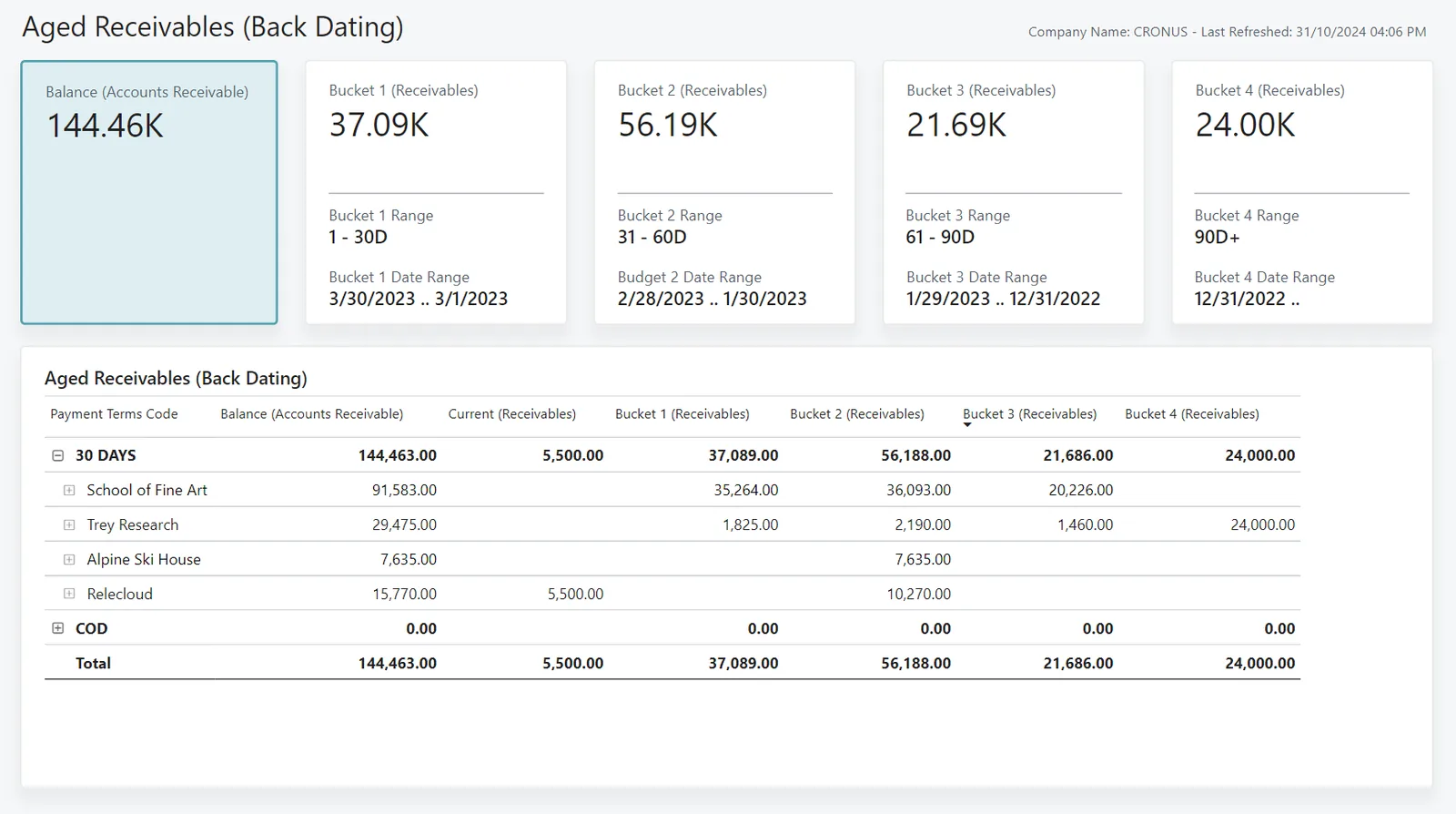
A practical view for owners and practice managers, built on posted ERP data.
We implement Zoho, Odoo, ERPNext, Microsoft Dynamics 365 and custom ERP, and connect them to your clinical system.
| Clinic profile | Often a good fit | Why |
|---|---|---|
| Single GP or specialist clinic | Zoho Books with EMR billing import | Accounting, VAT and payer receivables with low running effort. |
| Polyclinic with pharmacy and several specialties | Odoo or ERPNext | Inventory with batches, purchasing, HR, payroll and department accounting in one system. |
| Clinic group across emirates | Microsoft Dynamics 365 Business Central | Multi-company consolidation, approvals and dimensions by clinic and specialty. |
| Clinic that wants an all-in-one open-source stack | ERPNext with its healthcare features | Patient, appointment and billing features alongside ERP, suited to simpler clinical needs. |
| Group with unique revenue share models | Custom ERP layer | Bespoke payout and reporting logic on top of standard accounting. |
Clinical systems must meet health authority requirements; we connect to them rather than replace them unless you decide otherwise.
We configure the ERP to support these requirements. Confirm VAT and regulatory points with your tax advisor and health authority.
Certain preventive and basic healthcare services may be zero-rated, while other services, such as many cosmetic treatments, are standard-rated at 5%. Each service needs the right tax code, confirmed by your tax advisor.
Claims are exchanged through emirate-level platforms, such as eClaimLink in Dubai and Shafafiya in Abu Dhabi. The ERP stores claim and remittance references so finance can reconcile at claim level.
Health authorities such as DHA, DOH and MOHAP license clinics and professionals. The HR module tracks licence expiries; the clinical system remains the record for patient data.
Corporate tax applies at 9% above AED 375,000 of taxable income, and salaries are paid via WPS with a Salary Information File.
General information, not tax or legal advice. Rules change; confirm current FTA, MOHRE and Ministry of Finance guidance with your advisor.
Results depend on clean billing data from the clinical system, but these are typical goals.
Claim-level matching shows what insurers owe, what was rejected and what is recoverable.
Rule-based calculations replace spreadsheets and reduce monthly disputes.
Batch and expiry alerts help teams use stock in time or return it to suppliers.
Owners see which departments and doctors contribute most after direct costs.
Typical ranges; the clinical system interface is usually the deciding factor.
Durations are typical ranges; your plan is agreed after discovery.
Billing flows, payers, revenue share rules, stock locations and EMR export options reviewed.
Chart of accounts, departments, payer accounts, inventory and payroll rules set up.
Billing and claim data from the clinical system connected and reconciled with test months.
Finance and stores switch to the ERP at a month start, with daily checks.
Help through the first remittance cycles, payroll runs and VAT return.
Healthcare ERP, platform and compliance pages clinics often explore.
We configure the system for the rules UAE businesses report against, and test it before go-live.
General information, not tax or legal advice. Confirm current requirements with the FTA, MOHRE or your advisor. See all UAE compliance guides.
On-site workshops in Dubai, Abu Dhabi and Sharjah, and remote or on-site delivery across the Northern Emirates and free zones.
Official sources and references
Facts on this page were checked against these sources in October 2026. Rules change, so confirm current requirements before acting.
Usually not. The EMR stays as the clinical and claims system, and the ERP runs finance, stock, HR and reporting. We connect them so billing data flows automatically.
Yes. We import remittance data and match it to claims, so paid, partly paid and rejected amounts are clear per payer.
We configure your contract rules, such as percentage of collections after deductions, and the ERP calculates the payable each month with a statement per doctor.
Yes. We are based in Dubai and support clinics in all emirates, configuring for the relevant claims platform.
Yes. Stock is recorded by batch and expiry, with alerts and first-expiry-first-out picking.
We keep clinical data in the clinical system and pass only what finance needs, such as invoice, payer and amounts, which reduces privacy exposure.
Related Solutions
Related Industries
Related ERP Platforms
Book a call to review your billing, insurance and stock processes with our team.
Dubai, United Arab Emirates