L
O
A
D
I
N
G


Zoho, Odoo, ERPNext, Dynamics 365 and custom ERP, delivered by one accountable team.

Your clinical system handles patients and claims. Odoo handles the stock, purchasing, people and money that keep every branch running.
Odoo for healthcare in the UAE runs the back office behind clinics: medical consumables, pharmacy stock, procurement, biomedical equipment maintenance, staff records and branch accounting. It is not an electronic medical record. Patient charts, e-prescriptions and insurance claims stay in a licensed clinical system connected to DHA, DOH or MOHAP platforms, and Odoo links to that system for financial data.
Odoo for Healthcare UAE works best when you are clear about its role. Odoo is not an electronic medical record, and we do not position it as one. Patient charts, clinical notes, e-prescriptions and insurance claim submission belong in a licensed clinical system that connects to the DHA, DOH or MOHAP platforms your facility reports to. What Odoo does well is everything around that system: medical consumables, pharmacy stock, procurement, asset maintenance, staff records, and branch-level accounting.
Many multi-branch clinic groups in Dubai and Abu Dhabi run their clinical software well but manage the back office on spreadsheets and a basic accounting tool. That leaves gaps such as expired stock found on shelves, purchase approvals done over WhatsApp, and doctors' revenue shares calculated by hand. We set up Odoo to close those gaps and exchange data with the clinical system, so billing totals and consumable usage reach finance without retyping.
This page is written for clinic groups, dental chains, diagnostic centers, pharmacies and day-surgery providers. For a platform-neutral view, see our page on ERP for healthcare companies, or compare with Zoho for healthcare.

The products we configure, integrate and support on projects like this one.
 Odoo Invoicing / Accounting
 Odoo Sales
 Odoo CRM
 Odoo Inventory
 Odoo Purchase
 Odoo Manufacturing
Product names and logos are trademarks of their respective owners and are shown only to identify the software we implement.
None of these are clinical problems, but each one costs money or creates risk during an inspection.
Without expiry dates captured at receipt, nurses and pharmacists rely on visual checks. Expired medication or consumables found during an inspection is a serious finding.
Gloves, syringes, dental materials and dressings are used per procedure, but the clinical system rarely deducts them from stock. Cost per procedure stays unknown.
Branch managers order from different suppliers at different prices. There is no single view of what was ordered, approved and received across the group.
Autoclaves, X-ray units and dental chairs need planned servicing and calibration records. Paper logs make it hard to prove compliance or plan replacements.
Practitioner agreements often include percentage shares or targets. Calculating them from exported billing reports every month leads to delays and disputes.
Claims are submitted from the clinical system, but remittances, rejections and resubmissions are matched to bank receipts manually, which hides true collection rates.
Clinical steps stay in your EMR. Odoo picks up at the points where stock, people or money move.
One shared database: every step updates stock, finance and reports in real time.
Most healthcare projects use a focused set of apps and an integration layer to the clinical system.
Locations per branch, room and pharmacy, with lot numbers, expiry dates and removal strategy set to first expiry, first out.
Purchase requests from branches, multi-level approvals by amount, supplier price lists and vendor bill matching.
Branch and department analytic accounts, insurance receivables by payer, and VAT treatment for different service types.
Equipment register with preventive schedules, calibration records and breakdown requests from clinic staff.
Licence numbers and renewal dates for practitioners, contracts, leave, and payroll with WPS export.
Retail pharmacy and optical counters with barcode scanning, VAT receipts and stock deducted at sale.
For wellness, cosmetic or corporate health services, online booking and lead follow-up outside the core EMR.
Supplier contracts, practitioner agreements and policy documents stored and signed electronically.
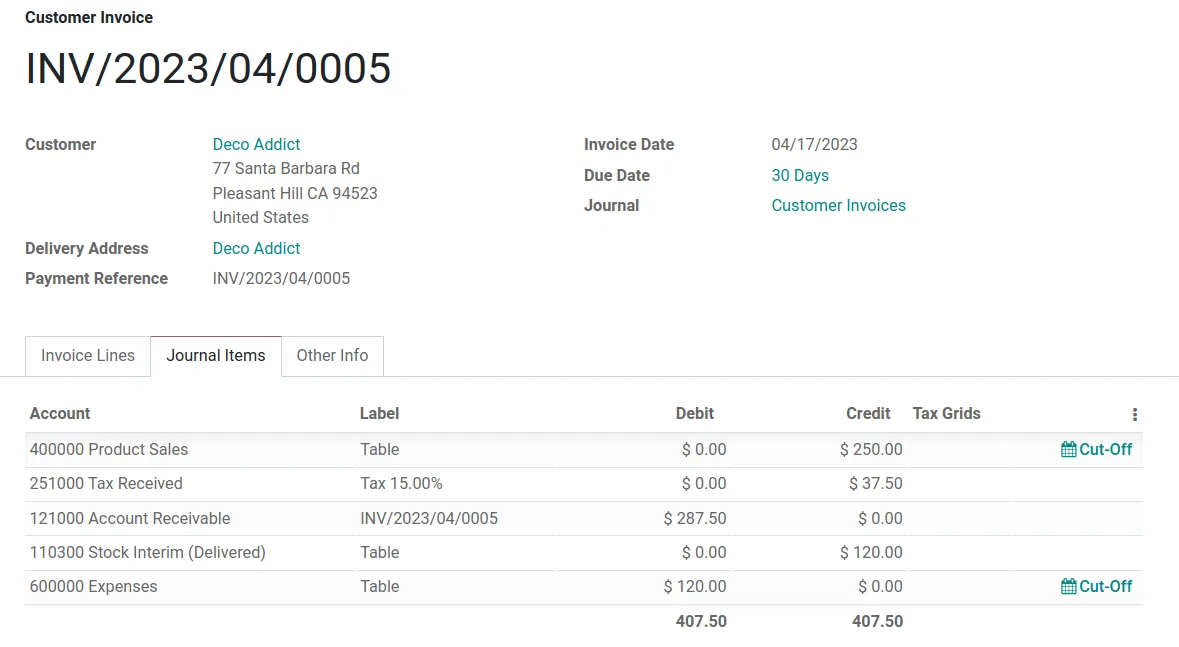
Group management gets one place to see stock risk, purchasing and branch results without opening the clinical system.
Odoo can be configured to support these requirements. Healthcare regulation and tax treatment vary by emirate and service, so confirm details with your regulator and tax advisor.
Facilities are licensed by DHA in Dubai, DOH in Abu Dhabi or MOHAP in the northern emirates. Odoo can hold practitioner licence numbers and expiry dates and alert HR before renewals fall due.
Some preventive and basic healthcare services can be zero-rated while other services and retail products are standard-rated at 5%. We set up separate tax codes so each service line posts correctly; confirm the treatment of your services with your tax advisor.
Health data is subject to UAE health data rules on storage and access. We keep patient-identifiable clinical data in the EMR and pass only the minimum needed to Odoo, with hosting chosen to match your data residency obligations.
Invoices to insurers, corporate clients and other businesses will move to the PINT AE e-invoicing model through an Accredited Service Provider from 2027. Check the latest Ministry of Finance and FTA guidance for your dates.
General information, not tax or legal advice. Rules change; confirm current FTA, MOHRE and Ministry of Finance guidance with your advisor.
The integration with the clinical system usually sets the pace. Typical ranges are shown below.
Durations are typical ranges; your plan is agreed after discovery.
We review your clinical system's export or API options, stock locations, approval rules and chart of accounts.
Inventory, purchasing, accounting and maintenance are configured and loaded with item masters, suppliers and equipment.
Billing summaries and consumable usage are mapped from the EMR into Odoo and tested with real daily data.
One clinic or pharmacy goes live with opening stock counts, then the remaining branches follow.
We review expiry reports, approval times and branch P&L with your finance team and refine the setup.
Explore other pages on healthcare software and the Odoo apps used here.
We configure the system for the rules UAE businesses report against, and test it before go-live.
General information, not tax or legal advice. Confirm current requirements with the FTA, MOHRE or your advisor. See all UAE compliance guides.
On-site workshops in Dubai, Abu Dhabi and Sharjah, and remote or on-site delivery across the Northern Emirates and free zones.
Official sources and references
Facts on this page were checked against these sources in October 2026. Rules change, so confirm current requirements before acting.
Still have a question? Our consultants are happy to help.
Ask an ExpertWe do not recommend it. Odoo has no licensed clinical records module suitable for UAE health authority reporting. We keep your clinical system in place and connect Odoo to it for stock, purchasing and finance.
Any system that offers an API, database export or scheduled file can usually be linked. We confirm the method during discovery, since the effort depends on what your vendor provides.
Yes. Products can be tracked by serial number or lot, so you can see which implant or device was received, where it was stored and which branch issued it.
Billing data per practitioner can be brought into Odoo and a calculation rule applied to produce a monthly statement and a payroll input. Complex agreements may need a small custom module, which we scope upfront.
For a retail pharmacy, Odoo POS with Inventory and Accounting covers sales, expiry tracking and VAT receipts. If you need prescription handling tied to health authority systems, that part stays in a specialised pharmacy system.
Related Solutions
Related Industries
Related ERP Platforms
Talk to our Dubai team about connecting Odoo to your clinical system and branches.
Dubai, United Arab Emirates