L
O
A
D
I
N
G


Zoho, Odoo, ERPNext, Dynamics 365 and custom ERP, delivered by one accountable team.

When sales, purchases and stock post straight into the ledger, your accountant stops re-keying and starts reviewing. We set up accounting ERP that fits how UAE books are actually kept.
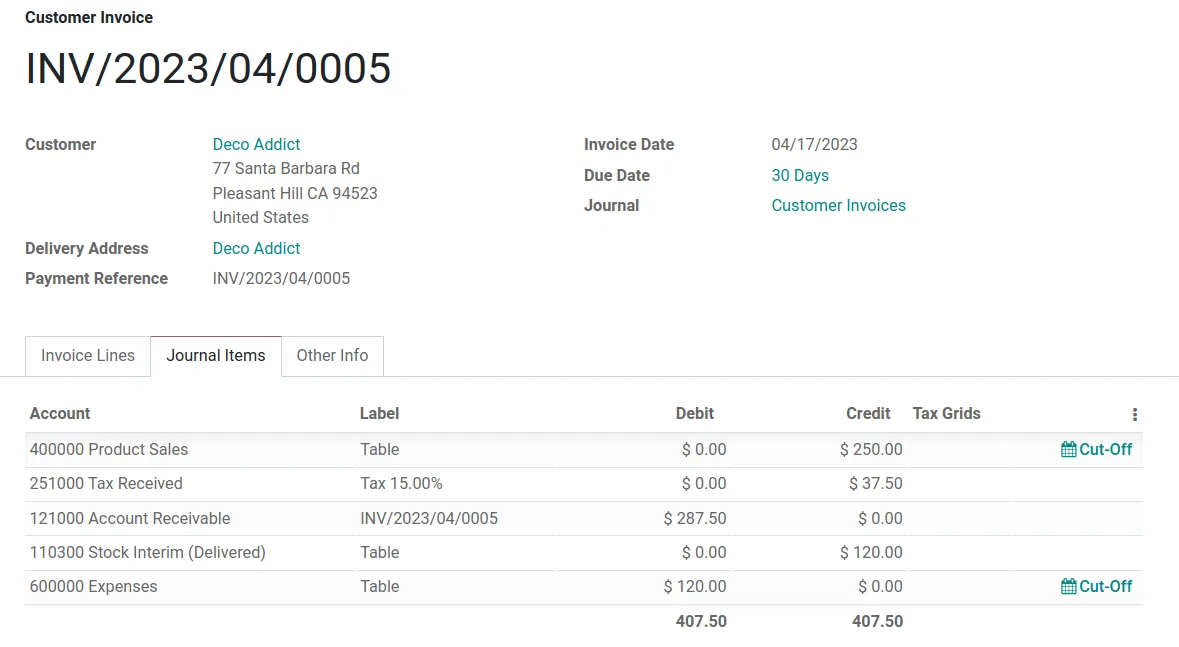
Accounting ERP software in the UAE replaces a standalone ledger such as Tally or QuickBooks with books fed directly by sales, purchasing, inventory and payroll, so the transaction and the journal entry are one record. VAT codes are applied at transaction level, bank feeds match open invoices, and a full audit trail shows who posted, edited or reversed each entry.
Accounting ERP software UAE companies adopt is not just a nicer ledger. The point is that every invoice, supplier bill, goods receipt, payroll run and bank movement lands in one set of books without anyone copying figures from another system. The accountant's job shifts from data entry to checking exceptions.
Many businesses we meet in Dubai, Sharjah and Abu Dhabi still run a standalone package such as Tally or QuickBooks for the books, with sales and stock kept in spreadsheets. That works until VAT returns need reconciling to invoices, or the auditor asks why stock on the balance sheet does not match the warehouse count. An accounting module inside an ERP removes those gaps because the transaction and the journal entry are the same record.
This page covers the day-to-day bookkeeping side: chart of accounts, receivables, payables, bank reconciliation, VAT coding and the month-end routine. If you are more interested in consolidation, cash forecasting and CFO-level reporting, see our page on finance ERP software.

The products we configure, integrate and support on projects like this one.

 Odoo Invoicing / Accounting
 ERPNext
Product names and logos are trademarks of their respective owners and are shown only to identify the software we implement.
A good accounting dashboard shows what needs attention today rather than a wall of totals. This is the type of screen we configure for bookkeepers and finance managers.
The cycle below is what most UAE trading and service companies run every day. In an integrated system, each step creates or updates the accounting entry automatically, so the books are current without a separate posting run.
One shared database: every step updates stock, finance and reports in real time.
These are the capabilities we check first when we assess whether a platform can carry a UAE company's books.
Accounts structured for IFRS-style statements, with cost centers or analytic tags for branches, projects or departments.
Invoice templates that carry your TRN, the customer's TRN where applicable, VAT amount per line and the other fields UAE rules require, in English and Arabic if needed.
Statement import or bank feeds with matching rules, so recurring items such as DEWA, rent and card fees reconcile in a few clicks.
Customer statements, credit limits, payment reminders and ageing reports tied to the sales team's view of each account.
Invoices and bills in USD, EUR, INR or other currencies with exchange gains and losses calculated on payment and revaluation.
Closed months locked against edits, with a log of every change so external auditors can follow the history of an entry.
All four platforms we implement can keep UAE books properly. The difference is how much else they connect to and how far each scales.
| Zoho Books | Odoo Accounting | ERPNext Accounting | Dynamics 365 Business Central | |
|---|---|---|---|---|
| Typical fit | SMEs and service firms wanting fast, clean bookkeeping | Growing companies that want accounting tied to sales, stock and manufacturing | Cost-conscious firms wanting open-source accounting they can extend | Mid-sized groups needing dimensions, approvals and Microsoft 365 links |
| UAE VAT setup | UAE edition with VAT return reporting | UAE localization with tax templates and VAT report | Tax templates and VAT accounts configured during setup | VAT posting groups configured for UAE rates and treatments |
| Bank reconciliation | Bank feeds and statement import with rules | Statement import with reconciliation models | Bank statement import and reconciliation tool | Bank account reconciliation with matching rules |
| Cost tracking | Reporting tags | Analytic accounts and plans | Cost centers and accounting dimensions | Global and shortcut dimensions |
| Arabic output | Arabic invoice templates available | Arabic language and bilingual invoice layouts | Arabic translation and custom print formats | Arabic via language settings and report layouts |
| Watch-out | Advanced inventory and manufacturing need other Zoho apps | Enterprise features need the right edition | Needs disciplined setup and hosting decisions | Licensing and partner effort higher than SME tools |
Feature names and editions change. We confirm the current position of each product during discovery.
Most of the time saved in accounting comes from data that arrives already coded. These are the feeds we connect most often for UAE clients.
Software does not make a company compliant on its own, but the right setup makes compliance a by-product of normal bookkeeping. Confirm the treatment of specific transactions with your tax advisor.
Standard-rated, zero-rated, exempt and out-of-scope codes set up so each invoice and bill lands in the right box of the VAT return filed through EmaraTax, usually quarterly.
Templates include the supplier TRN, invoice date and number, VAT per line and total in AED, and other prescribed fields. Credit notes follow the same discipline.
The ledger keeps the transaction detail needed to produce an FTA Audit File (FAF) on request. The FTA keeps a Tax Accounting Software Register, so check its current list for any product you are considering.
Under Federal Decree-Law No. 47 of 2022, books need to support the 9% rate above AED 375,000 of taxable income, which means clean mapping of non-deductible expenses and related-party transactions.
Under Ministerial Decisions 243 and 244 of 2025, larger businesses (AED 50 million revenue and above) move to Peppol PINT AE e-invoicing from 1 January 2027, others from 1 July 2027. Check the latest Ministry of Finance and FTA guidance.
General information, not tax or legal advice. Rules change; confirm current FTA, MOHRE and Ministry of Finance guidance with your advisor.
Go deeper on a platform, a compliance topic or a migration path.
We configure the system for the rules UAE businesses report against, and test it before go-live.
General information, not tax or legal advice. Confirm current requirements with the FTA, MOHRE or your advisor. See all UAE compliance guides.
On-site workshops in Dubai, Abu Dhabi and Sharjah, and remote or on-site delivery across the Northern Emirates and free zones.
Official sources and references
Facts on this page were checked against these sources in October 2026. Rules change, so confirm current requirements before acting.
Still have a question? Our consultants are happy to help.
Ask an ExpertA standalone package only knows what you type into it. Accounting inside an ERP receives postings from sales, purchasing, inventory and payroll automatically, so the books and the operations always agree. For a small firm with simple invoicing, a package such as Zoho Books may be enough; once stock or projects are involved, the ERP approach usually pays off.
Yes. We usually migrate opening balances, open receivables and payables, and the chart of accounts, then decide with you how much transaction history is worth bringing across. Older years can stay archived in the old system for reference. We do not implement Tally or QuickBooks, but we migrate from them regularly.
No implementation partner can make that claim for a client setup. The FTA maintains a Tax Accounting Software Register, and you should check its current list for the specific product. What we do is configure tax invoices, VAT return mapping, the audit trail and FTA Audit File output correctly.
A focused accounting rollout for a single company often takes four to eight weeks, including chart of accounts design, opening balances, bank setup and training. Adding inventory, multiple companies or integrations extends that, and we give you a hedged plan after discovery.
All four platforms we work with can print bilingual English and Arabic tax invoices. We design the layout during setup so the Arabic fields, TRN and VAT breakdown sit where your customers and the FTA expect them.
Yes. Auditors typically want the trial balance, general ledger detail, ageing reports and a change log. We set up period locks and export formats so year-end audit requests are answered from the system rather than rebuilt in Excel.
Related Solutions
Related Industries
Related ERP Platforms
Tell us how your accounting runs today and we will map out the cleanest path to an ERP-based ledger.
Dubai, United Arab Emirates