L
O
A
D
I
N
G


Zoho, Odoo, ERPNext, Dynamics 365 and custom ERP, delivered by one accountable team.

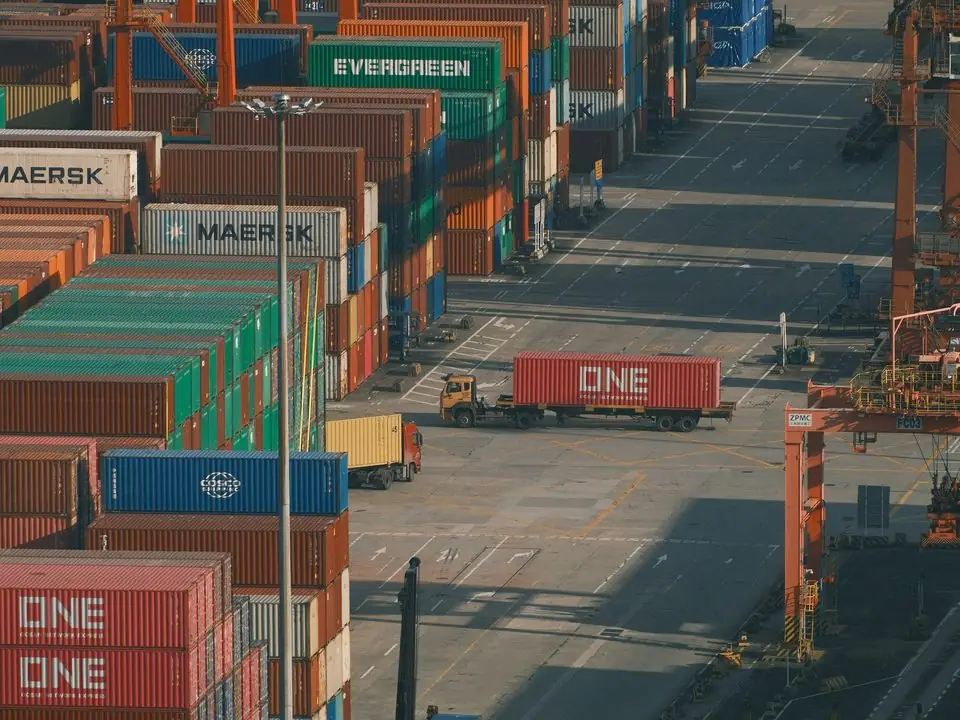
Fujairah sits on the Gulf of Oman, outside the Strait of Hormuz, and its free zone is built around the port, storage terminals and marine trade. We configure ERP software that follows cargoes, barges and vessels, not just invoices.
Fujairah Free Zone, UAEOn-site and remote ERP support
ERP software for Fujairah Free Zone companies must follow cargoes, barges and vessels, not just invoices. Bunker deliveries involve nominations, barge delivery notes, quantities in metric tonnes or cubic metres corrected for temperature, and index-linked prices plus a premium. Odoo or Dynamics 365 Business Central with custom deal capture and vessel records usually suit petroleum traders and ship chandlers.
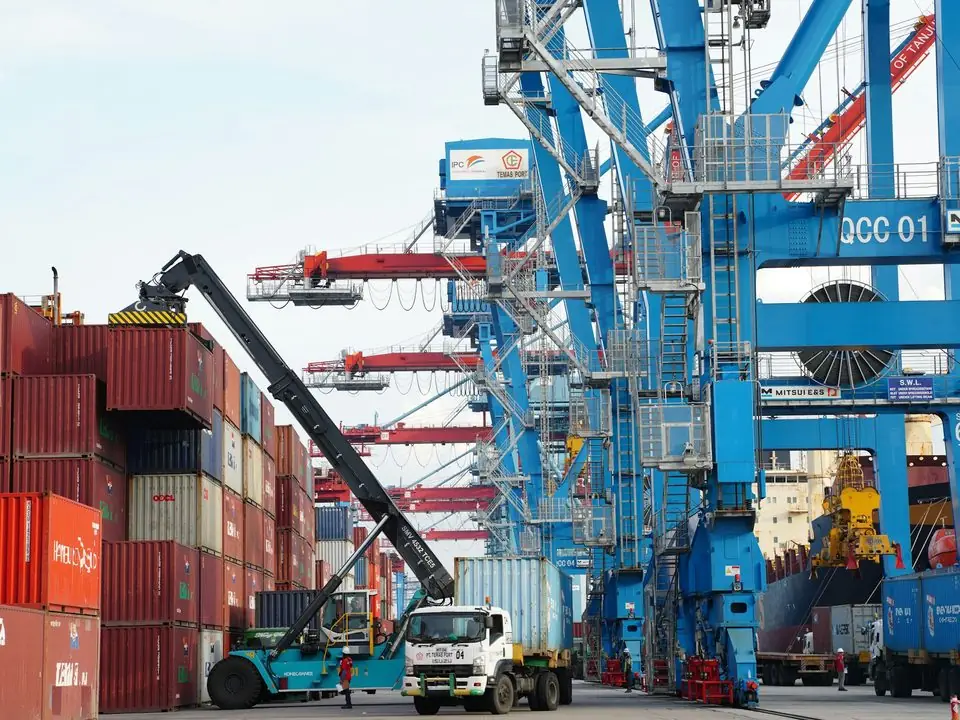
ERP software for a Fujairah Free Zone company has to speak the language of the port. Fujairah Free Zone, set up in 1987 next to the Port of Fujairah, is part of a regional hub for oil storage, bunkering and marine services on the UAE's east coast. Licensees include petroleum product traders, bunker suppliers and brokers, ship chandlers, marine spare parts dealers, freight forwarders and light industrial firms that feed the port economy.
Their transactions look very different from a typical trading company. A single bunker delivery involves a nomination, a barge, a delivery note signed on board, quantities measured in metric tonnes or cubic meters and corrected for temperature, and a price linked to a published index plus a premium. A ship chandler might supply provisions, bonded stores and spare parts to the same vessel within a few hours, billed in USD to an agent in another country. Generic ERP setups struggle with this unless the data model is planned from the start.
UAE ERP Experts is based in Dubai and supports east coast clients on site and remotely. We usually propose Odoo or Dynamics 365 Business Central for Fujairah traders and marine suppliers, with custom extensions for deal capture and vessel records. Our ERP for oil and gas trading page covers the commercial side in more depth.
Petroleum and marine businesses face specific VAT and corporate tax questions, especially around supplies to vessels and exports. We set up the ERP to record what your advisor needs. Confirm the treatment of each transaction type with your tax advisor.
Certain supplies of goods and services connected with international transport and qualifying vessels can be zero-rated for VAT when conditions and evidence requirements are met. The ERP stores vessel IMO numbers, voyage details, delivery notes and export documents against each invoice so the evidence is in one place, alongside the VAT setup for your return. Your advisor confirms which supplies qualify.
The corporate tax rules list trading of qualifying commodities, logistics and certain shipping-related activities among those that can generate qualifying income for a QFZP, subject to substance, de minimis and audited financial statement conditions. Income outside those categories is taxed at the standard 9% above AED 375,000. The ERP tags revenue by activity and counterparty location so eligibility can be tested every year.
Goods stored in a designated zone and moved between such zones may receive specific VAT treatment, and products entering the UAE mainland are subject to customs and import VAT. Only areas listed by Cabinet Decision count as designated zones, so check your site with your advisor. We store customs declaration references against each tank and stock movement.
The UAE e-invoicing model uses Peppol and the PINT AE specification through Accredited Service Providers. Large traders with revenue of AED 50 million or more face an ASP appointment deadline of 30 October 2026 and a go-live of 1 January 2027 under current rules. Check the latest Ministry of Finance and FTA guidance before finalizing plans.
General information, not tax or legal advice. Rules change; confirm current FTA, MOHRE and Ministry of Finance guidance with your advisor.
This is the sequence we model for Fujairah bunker suppliers and brokers. Ship chandlers follow a similar path with provisions and stores in place of fuel.
One shared database: every step updates stock, finance and reports in real time.
These features separate a usable system from one the operations team works around. We test each against your real deal sheets and delivery notes before recommending a platform.
Contracts record the product grade, quantity tolerance, pricing basis, premium and pricing period. When the index is known, the ERP calculates the final price and posts any difference.
Stock is held by terminal tank, barge or third-party storage location, with gross and corrected quantities recorded. Losses and gains on transfers are posted to the right accounts instead of disappearing into cost of sales.
Every sale links to a vessel, its IMO number, the agent and the port call. Ship chandlers can view all supplies to one vessel across several deliveries before billing.
Most deals are priced in USD while statutory reporting is in AED. The ERP keeps both, revalues open balances at month-end and shows realized and unrealized FX separately.
Traders see open exposure per buyer, letters of credit and guarantees in one place. Nominations that would breach a limit are routed for approval before the barge is loaded.
Quantity disputes, quality claims and demurrage charges are logged against the original deal. Finance can see which claims are open and their potential effect on margin.
The zone's activity follows the port. These are the profiles we most often design workflows around.
Visit our free zone hub, Fujairah support page and marine, oil and gas industry pages.
We configure the system for the rules UAE businesses report against, and test it before go-live.
General information, not tax or legal advice. Confirm current requirements with the FTA, MOHRE or your advisor. See all UAE compliance guides.
Nearby areas, free zones and emirates we serve from our Dubai base, alongside Fujairah Free Zone.
Official sources and references
Facts on this page were checked against these sources in October 2026. Rules change, so confirm current requirements before acting.
Still have a question? Our consultants are happy to help.
Ask an ExpertOut of the box, most ERPs only support fixed prices. We add a deal layer with pricing formulas and provisional and final invoicing, either as configuration or a small custom module. The rest of the system, from accounting to inventory, stays standard.
Yes. Our office is in Dubai, and we travel to Fujairah for discovery workshops, terminal and warehouse walk-throughs, go-live and training. Configuration and ongoing support are mostly remote, which suits teams that work around vessel schedules.
Ship chandlers need fast quoting from large catalogs, vessel-based delivery and USD billing. Odoo handles this well with its sales, inventory and multi-currency apps, and Business Central fits chandlers already using Microsoft tools. Zoho can suit smaller chandlers with simpler catalogs.
A trader with deal capture, inventory by tank and USD accounting often needs around 10-16 weeks, because pricing formulas and claims handling need careful testing. Smaller marine suppliers can often go live in 6-10 weeks.
We configure it to store delivery notes, vessel details and export documents against each invoice, and to flag invoices missing evidence. Whether a supply qualifies for zero rating is a tax question, so confirm with your tax advisor.
Related Solutions
Related Industries
Related ERP Platforms
Call +971 55 145 3265 or email contact@uaeerpexperts.com to arrange a working session on your deal sheets, delivery notes and reports.
Dubai, United Arab Emirates