L
O
A
D
I
N
G


Zoho, Odoo, ERPNext, Dynamics 365 and custom ERP, delivered by one accountable team.

In a few focused days we review how your ERP is really being used, score each area, and hand you a ranked list of fixes instead of a thick report.
An ERP health check in the UAE is a short, time-boxed diagnostic of a live system, reviewing configuration, data quality, user behaviour, VAT setup, integrations and performance. Each area receives a red, amber or green score with evidence and a ranked fix list. It suits companies whose Zoho, Odoo, ERPNext or Dynamics 365 Business Central system works but has drifted since go-live.
An ERP Health Check UAE review is a short, time-boxed diagnostic of the system you already run. We look at configuration, data quality, user behavior, VAT setup, integrations and performance, then rate each area on a simple red, amber and green scorecard. You get the scorecard, the evidence behind each score and a prioritized fix list, usually within a couple of weeks of kickoff.
It is deliberately lighter than a full ERP audit, which goes deep into controls and process compliance, and very different from an ERP rescue, which is for projects that have already stalled. A health check suits companies whose ERP basically works but feels slower, messier or more manual than it should a year or two after go-live.
We run health checks on Zoho, Odoo, ERPNext and Microsoft Dynamics 365 Business Central, on-site in Dubai and on-site or remotely across the other emirates. Our consultants read the system directly with read-only access, so the findings rest on what the data shows rather than on opinions gathered in meetings alone.

Most systems drift after go-live. New staff, new branches and quick workarounds slowly pull the setup away from its original design.
Accountants export to Excel to reconcile what the ERP should already show. Unposted entries and suspense balances pile up between closes.
Warehouse counts and system quantities disagree, so sales teams phone the store before promising delivery. Negative stock and old reservations are common causes.
Tax codes were set up at go-live and never revisited after new product lines or free zone sales. The quarterly return is rebuilt in a spreadsheet before filing on EmaraTax.
Access rights grew by exception, so junior users can post journals or change prices. That weakens control and makes the audit trail hard to read.
Pages take seconds to load and integrations to the online store or bank fail silently overnight. Users lose confidence and start keeping their own records.
Scripts and custom modules were added by past vendors without documentation. Every upgrade becomes a risk because nobody knows what will break.
The method is short and repeatable, so you can run it again in six or twelve months and compare scores.
We agree which companies, branches and modules are in scope, who we will interview and what read-only access we need. This keeps the review small and focused.
We review configuration, tax codes, chart of accounts, user roles, scheduled jobs, error logs and custom code. We also sample open documents, aged items and duplicate master data.
Thirty-minute sessions with finance, sales, warehouse and management show where people work around the system. We watch real tasks being done, not slide decks.
Each area gets a red, amber or green score with the evidence behind it. Scores cover finance, inventory, sales and purchasing, compliance setup, integrations, security, performance and adoption.
We rank every finding by business impact and effort, separating quick wins from larger changes. A one-hour readout walks your team through the scorecard and the first actions.
Everything is written for managers who need to decide, not only for IT.
Durations below are typical for a single company with a few modules. Group setups with several entities take longer.
Durations are typical ranges; your plan is agreed after discovery.
Agree scope, interview list and read-only credentials. We confirm which data we may sample.
Configuration, logs, master data and open transactions are reviewed against good practice for your platform.
Short sessions with each department, often run in parallel with the scan.
Findings are scored, ranked and written up with evidence.
Walkthrough with management and owners, followed by agreement on who handles each quick win.
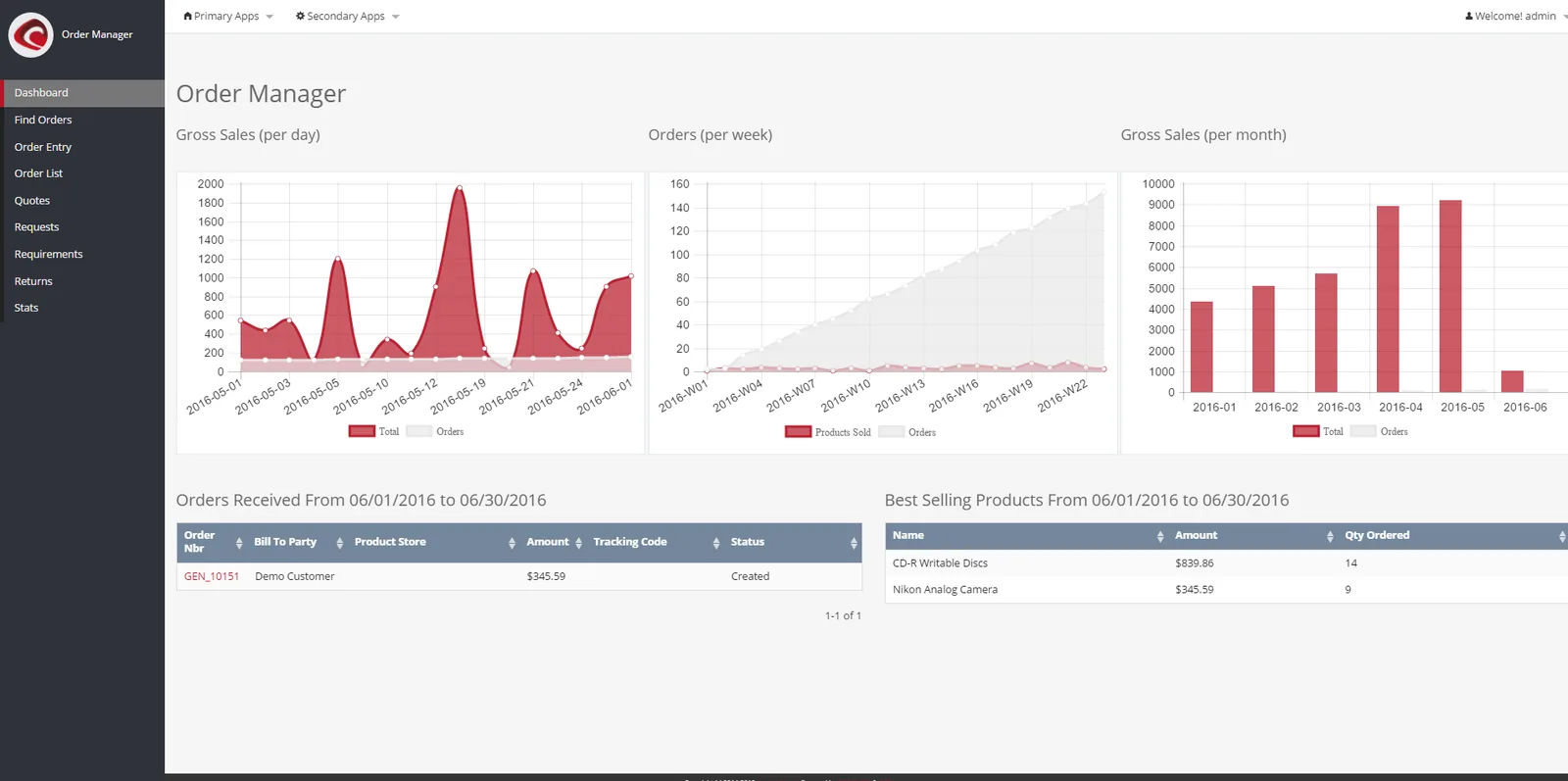
We present results as a simple dashboard so leadership can see the state of the system at a glance and track progress on the next review.
Results depend on how quickly fixes are applied, but these are the outcomes companies tend to aim for.
Finance, operations and IT stop debating symptoms and agree on a ranked list of causes.
Many fixes are configuration changes, such as tax mappings, access roles or scheduled job settings, that can be applied soon after the readout.
Budget goes to the few changes with the biggest effect instead of a broad reimplementation.
Repeating the same scorecard later shows whether the system is getting healthier.
Where a health check often leads next.
We configure the system for the rules UAE businesses report against, and test it before go-live.
General information, not tax or legal advice. Confirm current requirements with the FTA, MOHRE or your advisor. See all UAE compliance guides.
On-site workshops in Dubai, Abu Dhabi and Sharjah, and remote or on-site delivery across the Northern Emirates and free zones.
Official sources and references
Facts on this page were checked against these sources in October 2026. Rules change, so confirm current requirements before acting.
A health check is a quick diagnostic that scores the system and ranks fixes. An audit goes deeper into controls, process compliance and documentation, and takes longer. Many clients start with a health check and commission an audit only for the areas that score red.
We ask for read-only access wherever the platform allows it. For some checks, such as scheduled jobs or server logs, your administrator can share exports or screens with us instead.
Yes. Most health checks we run are on systems built by someone else. We review Zoho, Odoo, ERPNext and Dynamics 365 Business Central, regardless of who set them up.
The health check produces the scorecard and fix list. You can apply the fixes in-house, ask your current partner, or ask us to handle some or all of them as a separate piece of work.
We check how tax codes, TRN fields and invoice templates are configured and note gaps against UAE e-invoicing plans. We do not give tax advice, so tax findings should be confirmed with your tax advisor, and e-invoicing dates should be checked against the latest Ministry of Finance and FTA guidance.
Many companies repeat the scorecard once a year, or after a major change such as a new branch, a version upgrade or a new integration.
Tell us how your business runs today and where it gets stuck. We'll recommend the right platform, outline the implementation approach and give you a realistic timeline, with no obligation.
Dubai, United Arab Emirates