L
O
A
D
I
N
G


Zoho, Odoo, ERPNext, Dynamics 365 and custom ERP, delivered by one accountable team.

The implementation fee is the part of an Odoo budget you can influence most. This page explains what it pays for, what makes it rise, and how we keep it predictable.
Odoo implementation cost in the UAE is the partner fee for workshops, configuration, data migration, integrations, testing, training and go-live support, separate from the Odoo subscription. It depends far more on the number of companies, warehouses, approval levels, reports and integrations than on user count. UAE ERP Experts prices from a written scope with custom items estimated separately.
Odoo implementation cost in the UAE is the fee your partner charges to turn an empty Odoo database into a working system: process workshops, configuration, data migration, integrations, testing, training and go-live support. It is separate from the Odoo subscription and usually the largest one-time item in the project. It is also the item most likely to grow if scope is loose.
We price implementations from a written scope, not from user count alone. Twenty users in a single-branch Sharjah distributor and twenty users across three entities in Dubai, Abu Dhabi and a free zone are different projects. The number of companies, warehouses, approval levels, reports and integrations decides the effort far more than headcount does.
We are an Odoo Official Partner in Dubai. Our Odoo implementation service covers the full delivery; this page focuses on how that work is costed so you can compare proposals on equal terms. For the subscription side, see Odoo ERP pricing.

The products we configure, integrate and support on projects like this one.
 Odoo Invoicing / Accounting
 Odoo Sales
 Odoo CRM
 Odoo Inventory
 Odoo Purchase
 Odoo Manufacturing
Product names and logos are trademarks of their respective owners and are shown only to identify the software we implement.
Clients often bring us three quotes that differ widely. These are the usual reasons.
One partner prices accounting and sales only, another includes inventory, payroll and two integrations. Without a shared scope document, the numbers cannot be compared.
Some quotes include only opening balances; others include customer history and stock movements. Migration from Tally, QuickBooks or spreadsheets can be a large part of the effort.
A quote may say a requirement is covered by configuration when it actually needs custom code. That gap appears later as a change request.
A single training day for all staff looks cheap but rarely works. Role-based sessions for accounts, warehouse and sales take longer and stick better.
If process owners are not available for workshops or testing, the project stretches and time-based contracts grow. Good proposals state what is expected from your team.
Each step narrows uncertainty before we commit to a price.
We map your order-to-cash, procure-to-pay, inventory and finance processes, and note every report and approval you rely on today.
Each requirement is marked as standard Odoo, Studio configuration or custom development. Custom items get their own estimate so you can accept or defer them.
We sample your source data and list each integration with its direction, frequency and owner. This step sets the migration and integration budget.
We split the work into phases with a fixed scope and fee for each, plus a day rate for agreed change requests.
New requirements are logged, estimated and approved before work starts, so the budget only moves with your agreement.
Use this list to check any proposal, ours included.
Durations are typical ranges for a focused rollout of core apps. Larger or multi-entity projects take longer, and timing depends on how quickly decisions and data come from your side.
Durations are typical ranges; your plan is agreed after discovery.
Workshops, process maps and a signed scope document with estimates for each line.
Chart of accounts, taxes, products, warehouses, approval rules and document layouts set up in a test database.
Trial imports, reconciliation of balances and connector testing with banks, stores or logistics partners.
Users test real scenarios, we fix issues, and each role receives hands-on training.
Final data load, cut-over, and close support through the first month-end and VAT period.
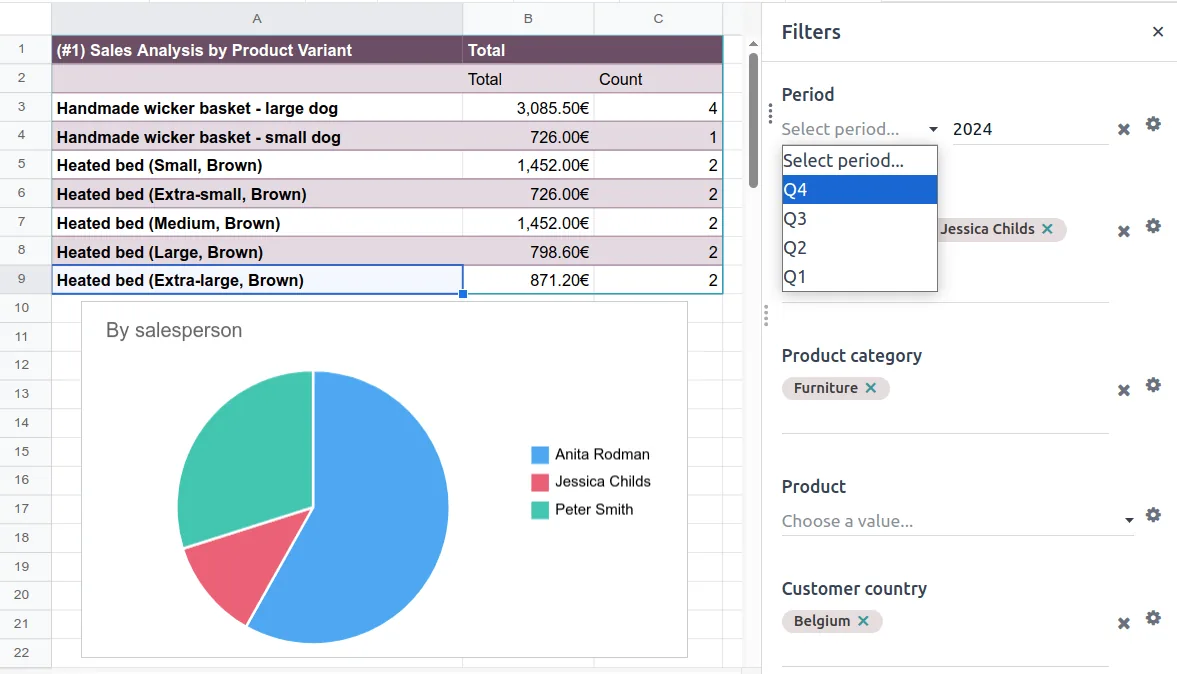
We run each implementation as a project in Odoo, so you can see hours, milestones and change requests against the agreed budget.
The goal is not the lowest fee; it is a fee you can trust from the start.
A clear scope lets you compare partners line by line instead of guessing what each number includes.
Custom work and migration are estimated up front, so change requests are the exception rather than the plan.
Phasing lets you go live with the essentials and fund later phases from the value the first phase delivers.
Choosing standard Odoo where it fits keeps upgrade and support costs down in the years after go-live.
Plan the rest of your Odoo budget and delivery.
We configure the system for the rules UAE businesses report against, and test it before go-live.
General information, not tax or legal advice. Confirm current requirements with the FTA, MOHRE or your advisor. See all UAE compliance guides.
On-site workshops in Dubai, Abu Dhabi and Sharjah, and remote or on-site delivery across the Northern Emirates and free zones.
Official sources and references
Facts on this page were checked against these sources in October 2026. Rules change, so confirm current requirements before acting.
Still have a question? Our consultants are happy to help.
Ask an ExpertYes, for each phase once the scope is written and agreed. Work outside that scope is handled through change requests at an agreed day rate.
Yes. Clients who clean their own master data, prepare import files and run internal training after we train champions often reduce the fee. We agree those responsibilities in writing.
Often, because Odoo Online does not allow custom code, which keeps scope tight. If your processes need custom modules, Odoo.sh or on-premise adds development and deployment effort.
Our proposals include a hypercare period after go-live. Ongoing support beyond that is a separate monthly arrangement sized to your needs.
We review a sample of your data and estimate by record type and history depth. Opening balances and open documents are standard; full transaction history costs more and is rarely needed.
It may include testing, training, migration and support that a lower quote leaves out. Compare both against the checklist on this page before deciding.
Related Solutions
Related Industries
Related ERP Platforms
Book a discovery workshop and receive a phased proposal with every cost line explained.
Dubai, United Arab Emirates