L
O
A
D
I
N
G


Zoho, Odoo, ERPNext, Dynamics 365 and custom ERP, delivered by one accountable team.

Replacing software is not transformation. Changing how work gets done, with ERP as the backbone and clear measures of success, is.
ERP digital transformation in the UAE means redesigning how orders, purchases, projects, people and money flow, with ERP as the backbone, rather than simply swapping accounting software. It starts with goals and process redesign, chooses a platform only after the future process is clear, and continues after go-live with adoption tracking and measured outcomes. It needs an executive sponsor and process owners.
ERP digital transformation in the UAE is often described in big words and delivered as a software swap. The company moves from one accounting package to another, keeps the same approval emails, the same Excel trackers and the same month-end scramble, and wonders why nothing improved. Real transformation asks a different question: if we were designing this business today, how would orders, purchases, projects, people and money flow, and what system would support that?
We treat ERP as the backbone of that answer, because it is where transactions, controls and data meet. Around it sit the other pieces: a strategy tied to business goals, a roadmap that sequences change into manageable phases, redesigned processes, a data foundation people trust, a change management plan for staff, and a short list of measures that tell leadership whether it is working.
Our Dubai team runs these programs on Zoho, Odoo, ERPNext, Microsoft Dynamics 365 or custom ERP, depending on what fits. Many clients come to us after a first ERP project that went live but did not change much. Others are planning ahead of UAE e-invoicing and want to fix their processes once rather than twice.
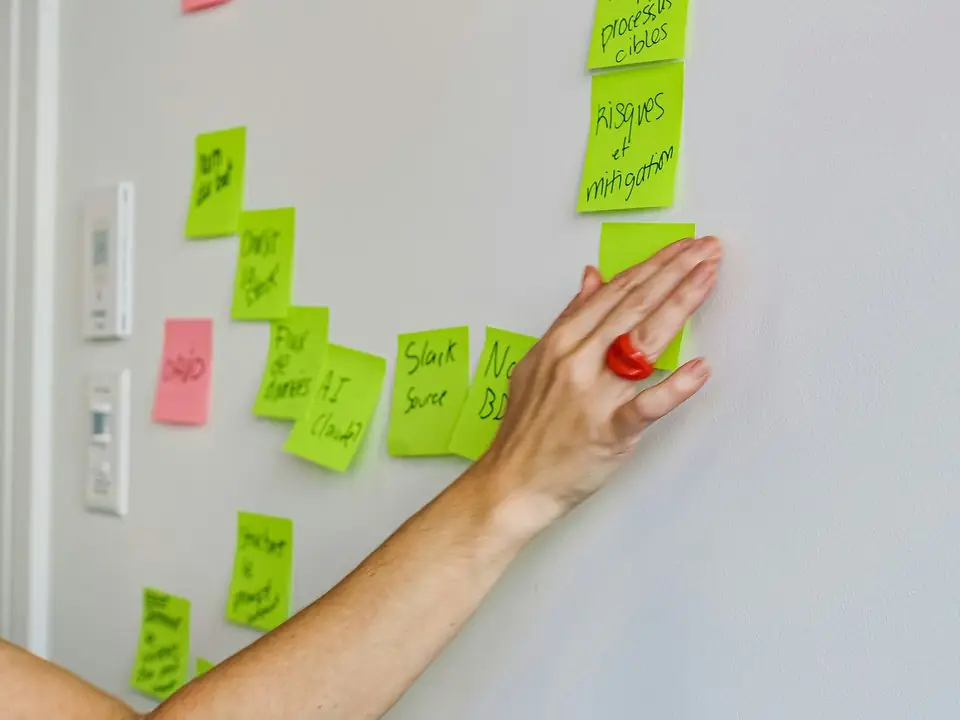
These patterns appear repeatedly in UAE companies that started a digital transformation and lost momentum.
Leadership wants better margins, finance wants a faster close and operations wants fewer stock-outs. Without priorities, every request becomes urgent and the scope keeps growing.
Picking a platform before mapping how the business should work leads to customizing the software around old habits.
Item codes, customer records and cost data spread across spreadsheets and old systems make new dashboards look wrong, so managers ignore them.
Staff from many nationalities and language backgrounds, often on rotating shifts, need more than one training session to change long-standing routines.
When the first phase overruns, later phases such as analytics or automation are quietly dropped and the benefits never arrive.
Six workstreams, run in sequence and overlapping where sensible. Each ends with a decision by your leadership team.
Workshops with owners and department heads to agree three to five business outcomes, such as shorter cash cycle or real-time project margins, and the constraints on budget and timing.
We map existing processes, systems, spreadsheets and integrations, and document pain points with examples from real documents.
Future-state process maps for order-to-cash, procure-to-pay, record-to-report and your industry-specific flows, simplified before any configuration begins.
A phased plan showing what goes live when, which ERP platform fits, and what integrations, data work and automation each phase needs.
Master data standards, ownership, cleansing and migration rules so the new ERP starts with records people trust.
Stakeholder plan, champions in each department, role-based training and post-go-live adoption tracking.
Tangible outputs from the program, owned by your company and usable with any implementation partner.
Indicative ranges for a mid-sized UAE company. Larger groups run phases per entity or business line.
Durations are typical ranges; your plan is agreed after discovery.
Goals, current-state mapping and baseline measures.
Future-state processes, platform choice and phase plan.
Core ERP for finance and the main operational flow, with data migration and training.
Additional modules, integrations, automation and analytics as set out in the roadmap.
Measure results against the baseline and adjust the roadmap.
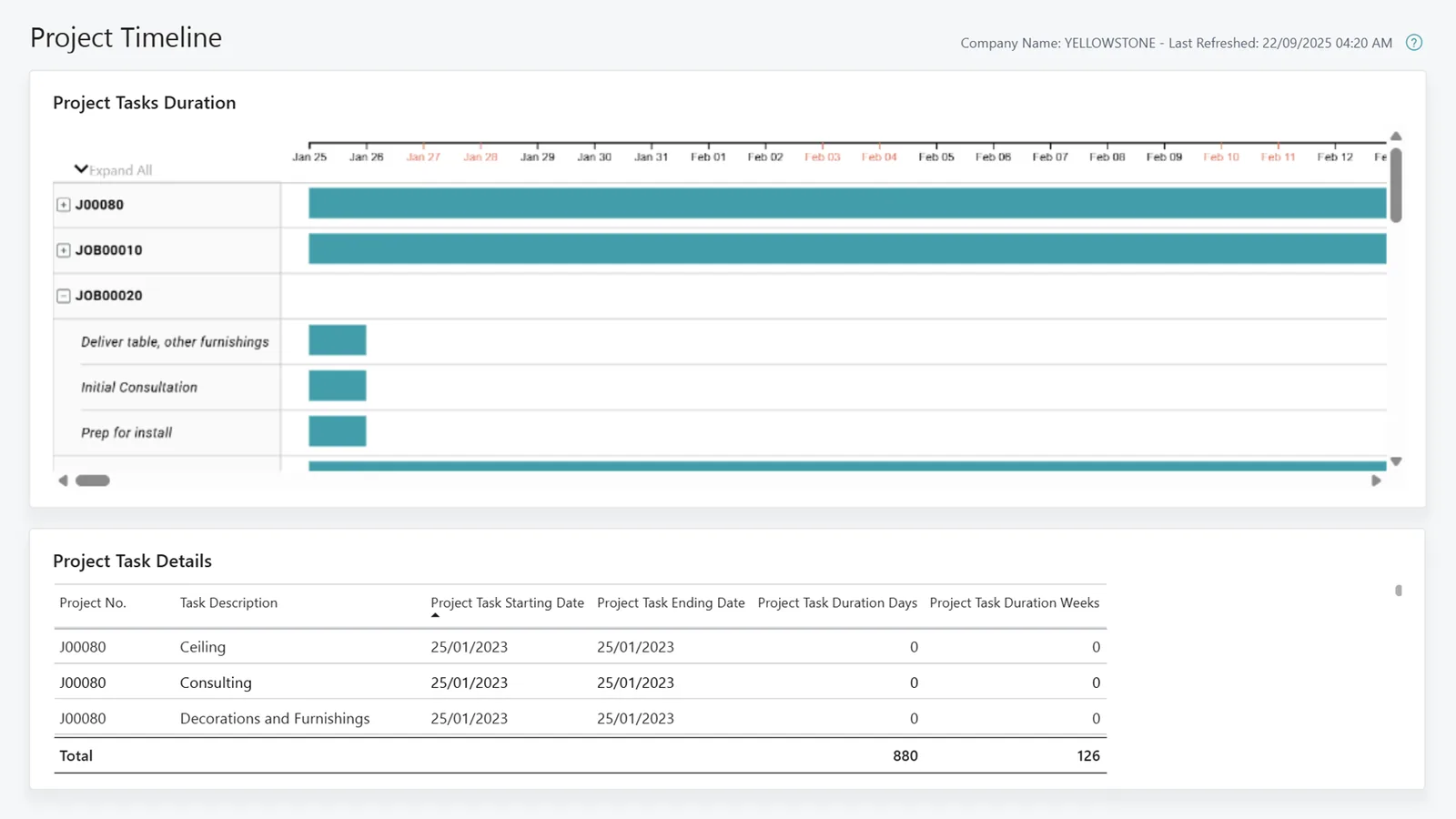
Leadership needs one view of transformation progress: milestones, adoption and the business measures agreed at the start.
We help you choose measures you can actually track from the ERP. Targets are set with your team from your own baseline, never promised in advance.
Time from customer order to cash received, tracked from ERP document dates.
Working days from month-end to approved management accounts.
Count of rekeyed documents and offline spreadsheets still needed per process.
Share of transactions created in ERP rather than outside it and approved through workflow.
Services that typically form part of an ERP-led transformation.
We configure the system for the rules UAE businesses report against, and test it before go-live.
General information, not tax or legal advice. Confirm current requirements with the FTA, MOHRE or your advisor. See all UAE compliance guides.
On-site workshops in Dubai, Abu Dhabi and Sharjah, and remote or on-site delivery across the Northern Emirates and free zones.
Official sources and references
Facts on this page were checked against these sources in October 2026. Rules change, so confirm current requirements before acting.
Still have a question? Our consultants are happy to help.
Ask an ExpertImplementation configures and launches a system. Transformation starts earlier, with goals and process redesign, and continues later, with adoption and outcome measurement. Implementation is one workstream inside it. See ERP implementation for that part.
No, and we advise against it. Platform choice should follow process design. If you already own a platform, we assess whether it can support the future state or needs replacing.
An executive sponsor, a program owner with decision authority, and process owners from finance, sales, operations and HR. Department champions help with testing and training. IT is important, but should not own the program alone.
We identify affected roles early, run short role-based sessions, provide quick guides in plain English and in Arabic or other languages where useful, and use department champions for day-to-day support after go-live.
Yes. Phasing is central to our approach. Each phase has its own scope and business case, so leadership can pause, reorder or extend the roadmap based on results from the previous phase.
E-invoicing, mandatory from 2027 under the PINT AE model via Accredited Service Providers, is a natural milestone in many roadmaps because it forces clean invoice data. Check the latest Ministry of Finance / FTA guidance for your dates.
Related Solutions
Related Industries
Related ERP Platforms
Start with a strategy workshop at our Dubai office or online, and leave with goals, measures and a first view of your roadmap.
Dubai, United Arab Emirates