L
O
A
D
I
N
G


Zoho, Odoo, ERPNext, Dynamics 365 and custom ERP, delivered by one accountable team.

When standard apps and settings run out, new functionality has to be written as code. We build Odoo modules that fit your process today and can be moved to the next version without a rewrite.
Odoo development in the UAE means writing new functionality as separate Odoo modules in Python, with XML views and OWL front-end components, when standard apps and Studio settings are not enough. Examples include equipment rental yards, contractor tender management or technician scheduling. As an Odoo Official Partner, UAE ERP Experts builds modules designed to move to the next Odoo version without rewriting.
Odoo development UAE clients ask us for ranges from a single new document type to a complete business app that Odoo does not ship. Examples include a rental-yard module for equipment hire, a tender management app for contractors, a customer portal for clearing agents, or a scheduler that allocates technicians across Dubai and Abu Dhabi by skill and location. Each of these is written as a separate Odoo module in Python, with XML views and, where the screen needs to be interactive, components in Odoo's OWL front-end framework.
Development is different from customization. Customization adjusts existing apps with fields, layouts and rules; our Odoo customization page covers that. Development creates new models, business logic, interfaces and services. It needs software engineering discipline: source control, code review, automated tests and a plan for the next major Odoo release.
Our developers work alongside our functional consultants in Dubai, with additional engineering capacity from Shyphan AI Solutions Pvt Ltd, the global IT services provider that backs us. That combination means the person who understands your process is in the room when the code is designed, not just when it is tested.

The products we configure, integrate and support on projects like this one.
 Odoo Invoicing / Accounting
 Odoo Sales
 Odoo CRM
 Odoo Inventory
 Odoo Purchase
 Odoo Manufacturing
Product names and logos are trademarks of their respective owners and are shown only to identify the software we implement.
Odoo makes it easy to write code. It also makes it easy to write code that breaks later. These are the problems we are asked to clean up most often.
Changes were made inside Odoo's own modules instead of inheriting them. The next update overwrites the work, or the database refuses to upgrade.
A module was built for a client on Odoo Online, which does not accept custom Python modules. The project has to move to Odoo.sh or a private server before anything can be deployed.
Calculations live in JavaScript or in reports instead of on the server, so imports, API calls and scheduled jobs produce different results from the screen.
Code goes straight to production. A change to invoicing breaks a stock report two weeks later, and nobody can tell which release caused it.
Computed fields and loops that work on a few hundred records crawl once the database holds several years of sales orders and stock moves.
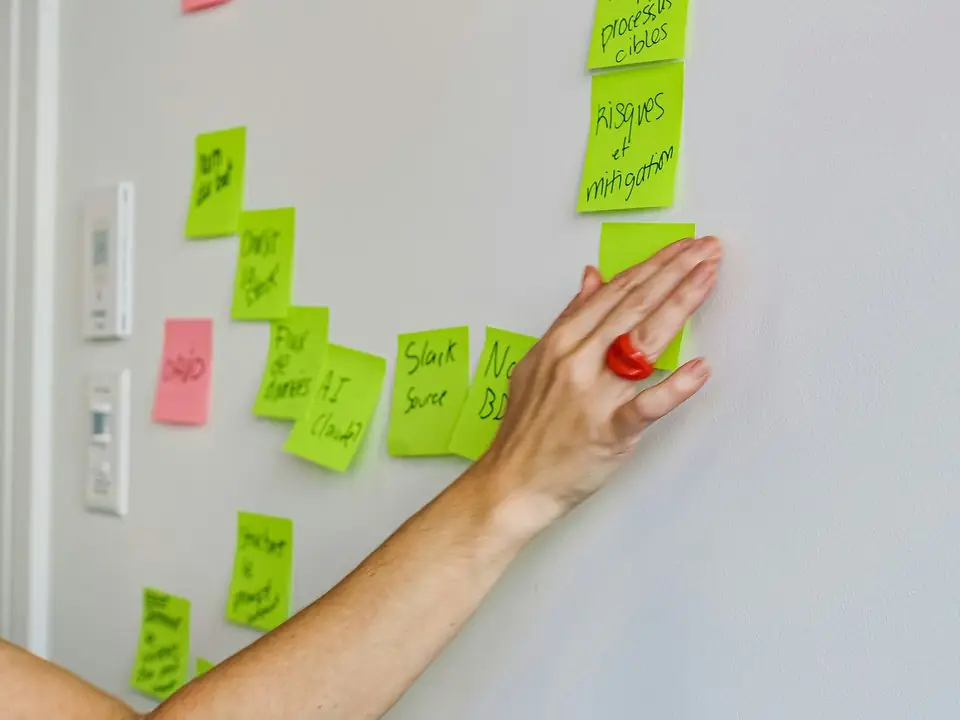
Every module, large or small, goes through the same five stages. Smaller modules move through them faster, but none are skipped.
A consultant writes the user stories, screens, rules and edge cases with your process owner, and confirms which standard Odoo features are reused.
The developer defines models, inheritance points, security groups, record rules and any API endpoints, and checks them against the target Odoo version.
Code is written in a Git repository, one feature branch per change, following Odoo's coding guidelines and reviewed by a second developer.
Automated tests run on each build. Your key users then test on a staging database with a recent copy of production data.
Approved changes are merged and deployed in a planned window, with release notes and a short user guide for anything new.
These are the artifacts you receive, so another competent Odoo developer could pick the work up if ever needed.
Durations depend on complexity and how quickly decisions are made. A small module may take a couple of weeks end to end; a full new app is usually a multi-month project delivered in releases.
Durations are typical ranges; your plan is agreed after discovery.
Workshops, user stories and a clickable outline of key screens.
Technical design, repository, staging environment and test data.
Two-week sprints with a demo at the end of each one so you see progress early.
Your team tests real scenarios on staging and we fix what they find.
Production deployment, close monitoring and handover to the support team.
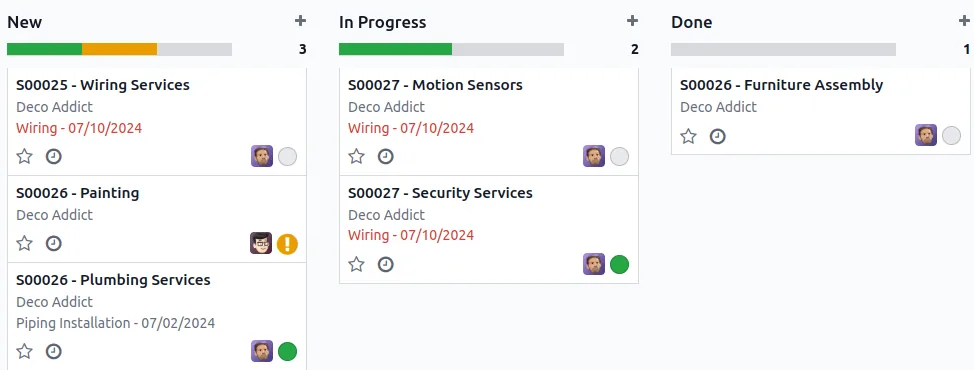
We run development in Odoo Project, so you can see every task, sprint and release for your modules in the same kind of system you are paying us to build.
No invented percentages here; these are the practical results of building Odoo code properly.
Inheritance instead of core edits means modules can be ported to a new version instead of rewritten.
Tests and staging catch regressions before your users do.
Documented code in your own repository means you are not tied to one developer or one provider.
Server-side business logic gives the same answer from the screen, an import, a scheduled job or an API call.
Other services that work alongside custom development.
We configure the system for the rules UAE businesses report against, and test it before go-live.
General information, not tax or legal advice. Confirm current requirements with the FTA, MOHRE or your advisor. See all UAE compliance guides.
On-site workshops in Dubai, Abu Dhabi and Sharjah, and remote or on-site delivery across the Northern Emirates and free zones.
Odoo Online does not accept custom Python modules; it supports Studio-based changes only. Custom development needs Odoo.sh or a server you control. We help you choose and move hosting if needed.
We develop for current supported versions and port modules from older ones. Before starting, we confirm which version your database runs and whether an upgrade should come first.
Yes, provided the module does not depend on Enterprise-only apps. If it does, we explain the dependency and the alternatives before any code is written.
We estimate after the functional specification, by feature, with assumptions listed. Larger apps are delivered in sprints so you can reprioritize as you see working software.
If most of your needs are covered by Odoo's standard apps, extending Odoo is usually better. If your core process is unusual and Odoo would need heavy rework, a custom ERP may be the cleaner option. We assess both.
Tell us how your business runs today and where it gets stuck. We'll recommend the right platform, outline the implementation approach and give you a realistic timeline, with no obligation.
Dubai, United Arab Emirates