L
O
A
D
I
N
G


Zoho, Odoo, ERPNext, Dynamics 365 and custom ERP, delivered by one accountable team.

Contractors win or lose money project by project. We configure ERPNext so every purchase, timesheet and subcontractor bill lands on the right project and cost head.
ERPNext suits UAE contractors wanting project-level cost control without a specialist construction suite licence, such as fit-out firms, MEP subcontractors and civil or landscaping contractors. It has no dedicated construction module, but its Projects module, cost centres and budgets with warning or stop actions cover most needs, while retention and BOQ-based progress claims are added on the Frappe Framework.
ERPNext for construction in the UAE is aimed at contractors who want project-level cost control without the licence bill of a specialist construction suite. Typical users are fit-out firms in Dubai, MEP subcontractors working across several towers at once, civil and landscaping contractors in Abu Dhabi, and joinery workshops that both manufacture and install.
ERPNext does not ship a dedicated construction module. What it has is a solid Projects module, cost centers, budgets with warning or stop actions, and the ability to tag almost every transaction to a project. That covers most of what a contractor's finance and commercial teams need. Items it does not cover out of the box, such as retention tracking and BOQ-based progress claims, we add through custom fields, doctypes and reports on the Frappe Framework.
We are clear about that boundary at the start. If your projects need detailed BOQ measurement, earned value analysis and planning tool integration at enterprise scale, we will compare ERPNext honestly against other options, including those on our best ERP for construction companies page.

The products we configure, integrate and support on projects like this one.
 ERPNext
 Frappe HR
 Frappe Framework
 Frappe CRM
Product names and logos are trademarks of their respective owners and are shown only to identify the software we implement.
These are construction-specific problems we hear from quantity surveyors, project managers and finance heads.
Costs are booked to general expense accounts and allocated later. By the time a loss shows up, the project is finished and the money is gone.
Foremen buy urgent materials with petty cash or direct supplier calls. Commitments are not visible to the commercial team until invoices arrive.
Clients hold 5 or 10 percent retention on each payment certificate. Without a ledger of retention receivable by project, release dates pass without follow-up.
Workers move between sites, but payroll is posted as a single company cost. Project labor cost is estimated rather than recorded.
Subcontractor invoices arrive without a clear link to the agreed work order and previous payments, making over-certification easy.
This is how a fit-out or MEP contract usually runs once ERPNext is in place.
One shared database: every step updates stock, finance and reports in real time.
A mix of standard ERPNext features and the custom pieces we usually add for UAE contractors.
Projects with tasks, milestones and percentage completion, linked to the customer, sales order and cost center.
Budgets per project cost center and account, with ERPNext set to warn or stop when a purchase order or expense would exceed it.
Site engineers raise material requests against the project. Stores issue from stock or purchasing converts them into purchase orders.
Daily timesheets per worker or crew with costing rates, so labor hours post to the project they were spent on.
Purchase orders for subcontract scopes with payment terms, advance tracking and bill-by-bill progress against the order value.
Sales invoices raised against the contract sales order by percentage or milestone, showing cumulative billed amounts.
Custom fields and reports for retention held, advance payment recovery and release dates per project.
Plant and vehicles as assets with depreciation, maintenance logs and internal hire charges to projects.
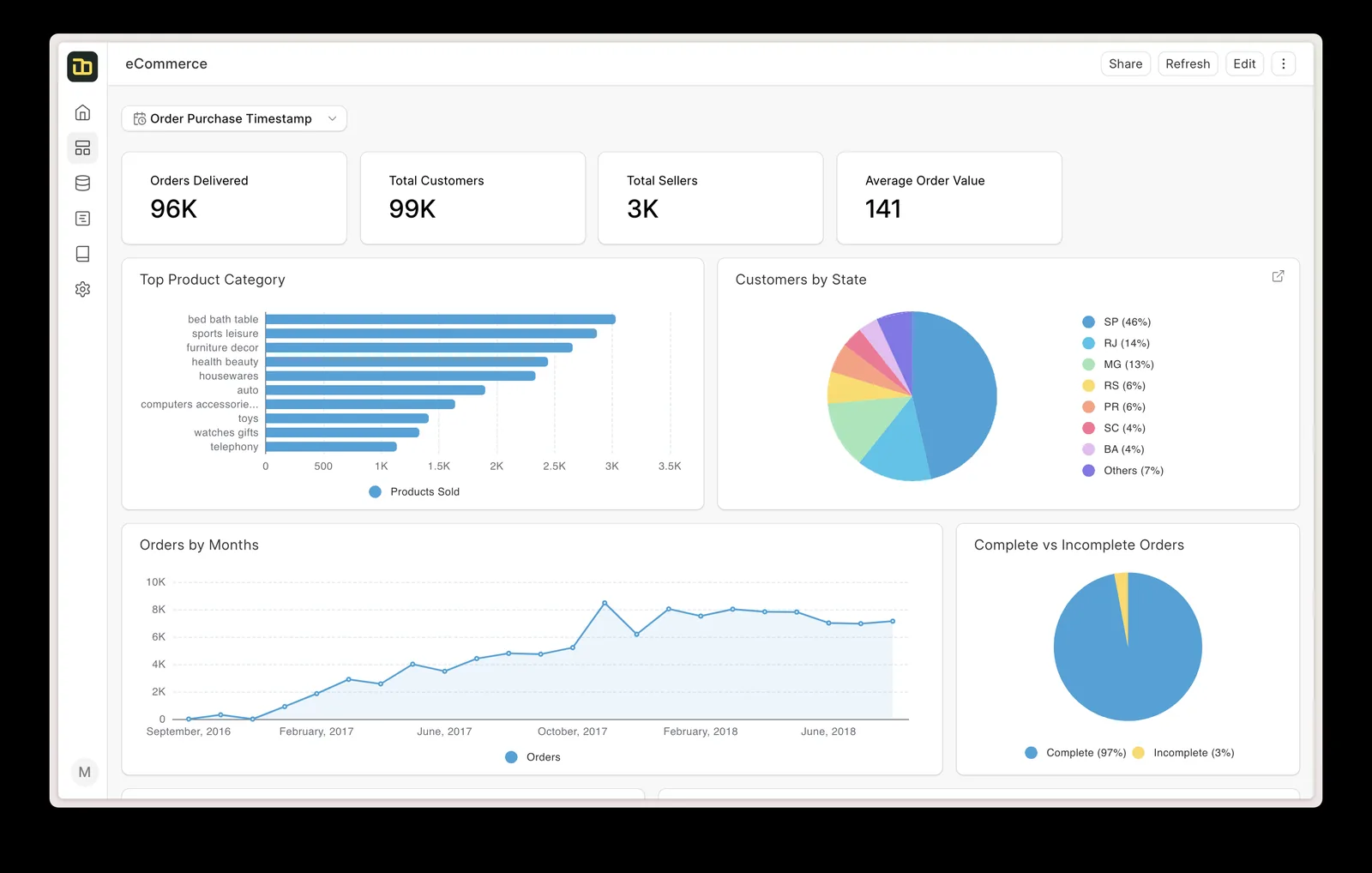
Commercial managers get one view across all running projects instead of separate spreadsheets per job.
ERPNext can be set up to support these rules. Construction VAT and corporate tax questions can be complex, so confirm the treatment with your tax advisor.
Construction services are generally standard-rated at 5%, while some supplies, such as the first supply of certain new residential buildings, can be zero-rated under conditions. Tax point rules for progress billing and retention need care. We configure tax templates and invoice formats to match what your advisor confirms.
Contracts spanning more than one financial year raise questions about revenue recognition under the accounting standards your auditor applies. ERPNext keeps the cost and billing data per project that this analysis needs.
Most site labor is paid through the Wage Protection System using a SIF file. We set up ERPNext HRMS payroll to produce the file for your bank or exchange house and to accrue end-of-service gratuity under the UAE Labour Law.
Progress invoices will fall under the UAE e-invoicing mandate from 2027, depending on revenue band. We plan the PINT AE mapping and Accredited Service Provider connection. Check the latest Ministry of Finance and FTA guidance for dates.
General information, not tax or legal advice. Rules change; confirm current FTA, MOHRE and Ministry of Finance guidance with your advisor.
Most contractors go live with new projects first and leave running jobs in the old system until they close. A focused rollout often takes 8 to 14 weeks.
Durations are typical ranges; your plan is agreed after discovery.
We review a live project's contract, budget, POs, subcontracts and payment certificates.
Agree cost heads, project codes, approval limits and how retention and advances will be recorded.
Projects, budgets, custom retention fields, progress invoice formats, timesheets and payroll.
One new project runs fully in ERPNext with site, commercial and finance users.
Remaining new projects are created and open balances for running jobs are loaded where needed.
More on project ERP for UAE contractors.
We configure the system for the rules UAE businesses report against, and test it before go-live.
General information, not tax or legal advice. Confirm current requirements with the FTA, MOHRE or your advisor. See all UAE compliance guides.
On-site workshops in Dubai, Abu Dhabi and Sharjah, and remote or on-site delivery across the Northern Emirates and free zones.
Official sources and references
Facts on this page were checked against these sources in October 2026. Rules change, so confirm current requirements before acting.
Still have a question? Our consultants are happy to help.
Ask an ExpertNot as a separate product. Contractors use the Projects, Buying, Stock, Accounts and HR modules together, with projects and cost centers on each transaction. Retention, BOQ links and payment certificate formats are usually added as customizations.
Yes. Budgets can be set per cost center and account, and ERPNext can either warn or stop when a material request, purchase order or actual expense would exceed the budget. Many contractors start with warnings and switch to stop once budgets are reliable.
We usually add retention fields to the progress invoice and post retention to a separate receivable account per customer and project. A report lists retention held, the release condition and the expected date so finance can follow up.
ERPNext runs in a mobile browser, so engineers can raise material requests, log timesheets and attach photos from site. We simplify the forms they see so it takes a minute, not ten.
Yes, through timesheets. Each worker or crew logs hours against a project, and the costing rate posts that labor to the project. Payroll still runs once a month through WPS; timesheets drive the project allocation. Our contracting ERP page covers labor costing in more depth.
Related Solutions
Related Industries
Related ERP Platforms
Bring one live project's budget and payment certificates and we will show how ERPNext would track them.
Dubai, United Arab Emirates