L
O
A
D
I
N
G


Zoho, Odoo, ERPNext, Dynamics 365 and custom ERP, delivered by one accountable team.

A transport company sells trips. We set up ERP so each trip carries its own revenue, fuel, tolls, driver costs and subcontractor charges, and the margin is visible the day it ends.
An ERP for UAE transport companies is built around the trip: each trip order is linked to a truck, trailer and driver, and carries its own revenue, fuel, Salik and Darb tolls, driver allowances and subcontractor charges. Comparing own and hired trucks by route shows which customers and lanes make money, with billing generated from trip sheets and customer rate contracts.
An ERP for transport companies UAE operators can trust is built around the trip. Whether you run flatbeds from Jebel Ali to construction sites, tankers between Ruwais and Fujairah, reefers across the GCC or staff buses to labor camps in Sonapur and Mussafah, the questions are the same: what did this trip earn, what did it cost, and was the truck loaded on the way back?
Transport companies often have good operational knowledge in the heads of dispatchers and poor financial visibility in the books. Fuel is bought on cards, tolls pass through Salik and Darb accounts, drivers claim trip allowances, and hired trucks from other operators fill gaps in capacity. When these costs land in general expense accounts, nobody can say which customer or route is losing money.
This page is about the commercial and costing side of road transport: contracts, trip orders, trip sheets, subcontracting and billing. The vehicle side, such as registration renewals, servicing and fines, is covered on our ERP for fleet management page, and many transport companies use both.
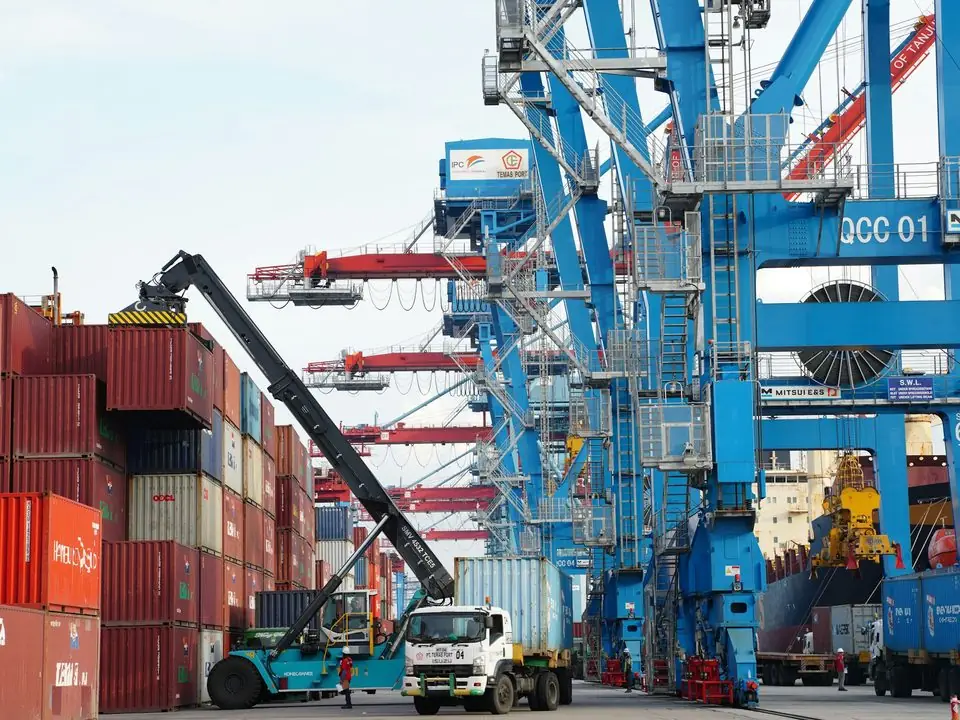
These issues are common to trucking, tanker, bus and equipment transport companies across the UAE.
Revenue is invoiced monthly per customer and costs are booked by category. There is no record that brings them together per trip, so loss-making routes continue unnoticed.
A truck delivers to Abu Dhabi and returns empty to Dubai. Without trip data showing backhaul opportunities, dispatchers cannot plan loads on the return.
Signed delivery notes and trip tickets come back from drivers late or get lost. Trips performed but not billed are a direct revenue loss.
When capacity runs short, trucks are hired from other operators. Matching their invoices to trips performed, and checking the rates, takes hours of manual work.
Bus contracts with monthly fees, extra trips and waiting charges are calculated in spreadsheets. Disputes with clients follow.
This is the cycle we configure for road transport. Every step references the trip number.
One shared database: every step updates stock, finance and reports in real time.
These modules cover the commercial and costing side of transport. Vehicle maintenance can be added from the same platform.
Customer rates per route, truck type, trip or tonne, with surcharges for waiting, night delivery or extra drops.
Orders converted to trips with truck, trailer, driver and planned route, and backhaul matching where loads exist.
Start and end odometer, loading and unloading times, delivery notes and POD captured by the driver or dispatcher.
Fuel card transactions, Salik and Darb tolls, driver trip allowances and border costs allocated to each trip.
Hired truck rates, trip confirmations and supplier invoices matched against completed trips.
Invoices generated from completed trips or monthly contracts, with POD attached and credit control by customer.
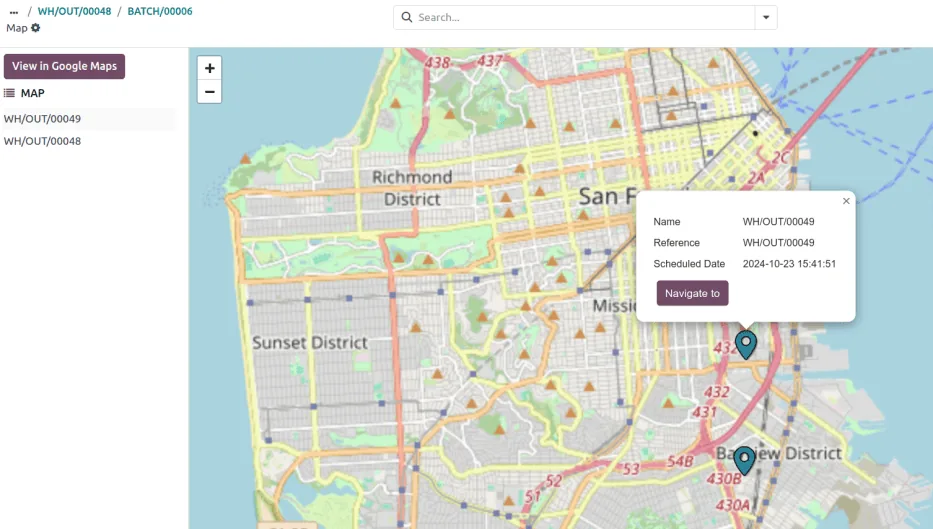
Dashboards for transport combine dispatch status with trip economics.
Platform choice depends on fleet size, the mix of own and hired trucks, and whether you operate across borders.
| Company profile | Usual fit | Reason |
|---|---|---|
| Small trucking firm with a few own trucks | Zoho Books with Zoho Creator | Creator holds trip sheets and costs; Books invoices customers and tracks fuel and toll expenses. |
| Mid-size operator with own and hired trucks | Odoo | Fleet, Purchase, Sales and Accounting connected; trip and route models added by customization. |
| Staff transport or bus operator | ERPNext | Contracts, projects per client and HR for drivers in one open-source system with custom trip doctypes. |
| Large operator with GCC cross-border routes | Dynamics 365 | Multi-company and multi-currency finance; Supply Chain Management includes transportation management features. |
| Operator with unique dispatch rules | Custom ERP | Trip planning designed around your operation and integrated with telematics and accounting. |
We configure the system to support these areas. Confirm tax treatment with your tax advisor.
Domestic transport of goods is generally standard-rated at 5%, while international transport, including cross-border GCC legs, may qualify for zero-rating. Passenger transport has its own rules. Tax codes are set per service as your advisor directs.
Drivers are paid through WPS with a Salary Information File. Trip allowances and overtime can flow from trip sheets into payroll.
Corporate tax at 9% above AED 375,000 of taxable income makes accurate cost records important, especially for related-party truck hire within a group.
Customer invoices will need to go through an Accredited Service Provider in PINT AE format once mandatory for your revenue band in 2027. Check the latest MoF and FTA guidance.
General information, not tax or legal advice. Rules change; confirm current FTA, MOHRE and Ministry of Finance guidance with your advisor.
We set baselines with you before go-live so improvements can be measured.
Every trip shows revenue against fuel, tolls, driver and subcontract costs.
Completed trips without an invoice appear in an exception list each day.
Empty kilometers by route help dispatchers and sales find backhaul loads.
Subcontractor invoices are checked against confirmed trips and agreed rates.
Ranges are typical for a single-entity operator.
Durations are typical ranges; your plan is agreed after discovery.
Collect customer contracts, route rates, trip documents and current fuel and toll processes.
Define trip, trip sheet and costing structures and how hired trucks will be handled.
Configure finance, purchase and sales, build trip modules and import fuel card and toll data.
Load customers, routes, trucks, drivers, subcontractors and opening balances.
Train dispatchers, drivers' supervisors and accounts, then support the first month of billing.
More on fleets, logistics platforms and related industries.
We configure the system for the rules UAE businesses report against, and test it before go-live.
General information, not tax or legal advice. Confirm current requirements with the FTA, MOHRE or your advisor. See all UAE compliance guides.
On-site workshops in Dubai, Abu Dhabi and Sharjah, and remote or on-site delivery across the Northern Emirates and free zones.
Official sources and references
Facts on this page were checked against these sources in October 2026. Rules change, so confirm current requirements before acting.
Still have a question? Our consultants are happy to help.
Ask an ExpertUsually, yes. Fuel card providers and toll accounts offer statement exports, and some offer APIs. We import these and allocate each transaction to a truck and, where timing matches, to a trip.
Each trip records whether it used an own or hired truck. Own-truck trips carry fuel, tolls, driver and depreciation costs; hired trips carry the subcontractor rate. Margin reports then compare the two by route.
Yes. A mobile form can capture odometer readings, times and a photo of the signed delivery note. This reduces lost paperwork and speeds up billing.
Yes. Monthly contracts, fixed routes, extra trips and waiting charges can all be configured, with billing generated from the trip log each month.
Most telematics providers offer APIs. We can pull kilometers, trip times and locations into the ERP to validate trip sheets. Our ERP integration page explains how.
Related Solutions
Related Industries
Related ERP Platforms
Related Guides
Send us a month of trip sheets and invoices, and we will show how an ERP would calculate profit for each trip and route.
Dubai, United Arab Emirates