L
O
A
D
I
N
G


Zoho, Odoo, ERPNext, Dynamics 365 and custom ERP, delivered by one accountable team.

Not every ERPNext question needs a project. Get an experienced consultant for design decisions, tune-ups and the questions your team hits every week.
An ERPNext consultant in the UAE advises companies already running ERPNext or building it in-house, without a full implementation project. Typical work includes design decisions such as item variants or multi-company structure, fixing stock valuation drift, performance tune-ups and second opinions on proposals. UAE ERP Experts offers this on hourly blocks or monthly retainers, working alongside internal developers.
Many companies already run ERPNext, or are part way through setting it up with an internal team. What they lack is someone who has seen dozens of ERPNext decisions play out and can say, quickly, which option will hurt in a year. That is the role of an ERPNext Consultant UAE businesses bring in: an advisor who works alongside your people rather than replacing them.
Typical requests are specific. Should we use item variants or separate items for our 400 cable sizes? Is one company with branches better than three companies for our mainland and free zone entities? Why does stock valuation drift between the stock ledger and the balance sheet? Why does the sales invoice list take twenty seconds to load? Each has a right answer for your situation, and getting it wrong is expensive to unwind.
Our consultants work on retainer or by the hour, on-site in Dubai and across the emirates, or remotely. If you need a full rollout instead, our ERPNext implementation service covers that. For structured assessments and roadmaps, see ERPNext consulting.

The products we configure, integrate and support on projects like this one.
 ERPNext
 Frappe HR
 Frappe Framework
 Frappe CRM
Product names and logos are trademarks of their respective owners and are shown only to identify the software we implement.
These come up again and again with UAE teams running ERPNext day to day.
Groups with a mainland LLC, a free zone entity and an overseas branch are unsure whether to use separate companies, branches or accounting dimensions. The choice affects intercompany entries, VAT returns and consolidated reporting.
The stock balance report and the inventory account in the balance sheet disagree. Usually it comes down to backdated entries, wrong warehouse accounts or repost queues that never finished.
Lists and reports that were fast at go-live now crawl. Missing indexes, heavy custom scripts or unfiltered queries are the usual causes.
Staff keep spreadsheets beside ERPNext because a step felt awkward. Often the standard feature exists; nobody showed them how to use it.
A department asks for a new field or report and IT is not sure whether to configure, script or develop it. A consultant decides the right layer before anyone writes code.
We keep the process light so you get answers quickly.
You describe the question or symptom. We ask for screenshots, sample documents and read-only access to a copy of the site where possible.
The consultant reproduces the issue on staging, reviews configuration and data, and checks how standard ERPNext is meant to handle it.
You receive a short written recommendation: the options, the trade-offs and the one we would choose, with the reason.
Your team applies the change with our guidance, or we apply it for you on staging first and then in production.
We check the result after a week or after the next period close, and record the decision in your system notes.
These are the most common topics in retainer hours.
Retainers usually settle into a rhythm like this. Hours and frequency are agreed with you.
Durations are typical ranges; your plan is agreed after discovery.
The consultant learns your setup, reviews key masters and posting rules, and lists quick wins and risks.
Fix the issues that cost the most time: slow reports, duplicate items, confusing workflows.
A set number of hours per month for questions, design reviews and small changes.
Review users, permissions, error logs, scheduled jobs and upcoming ERPNext releases.
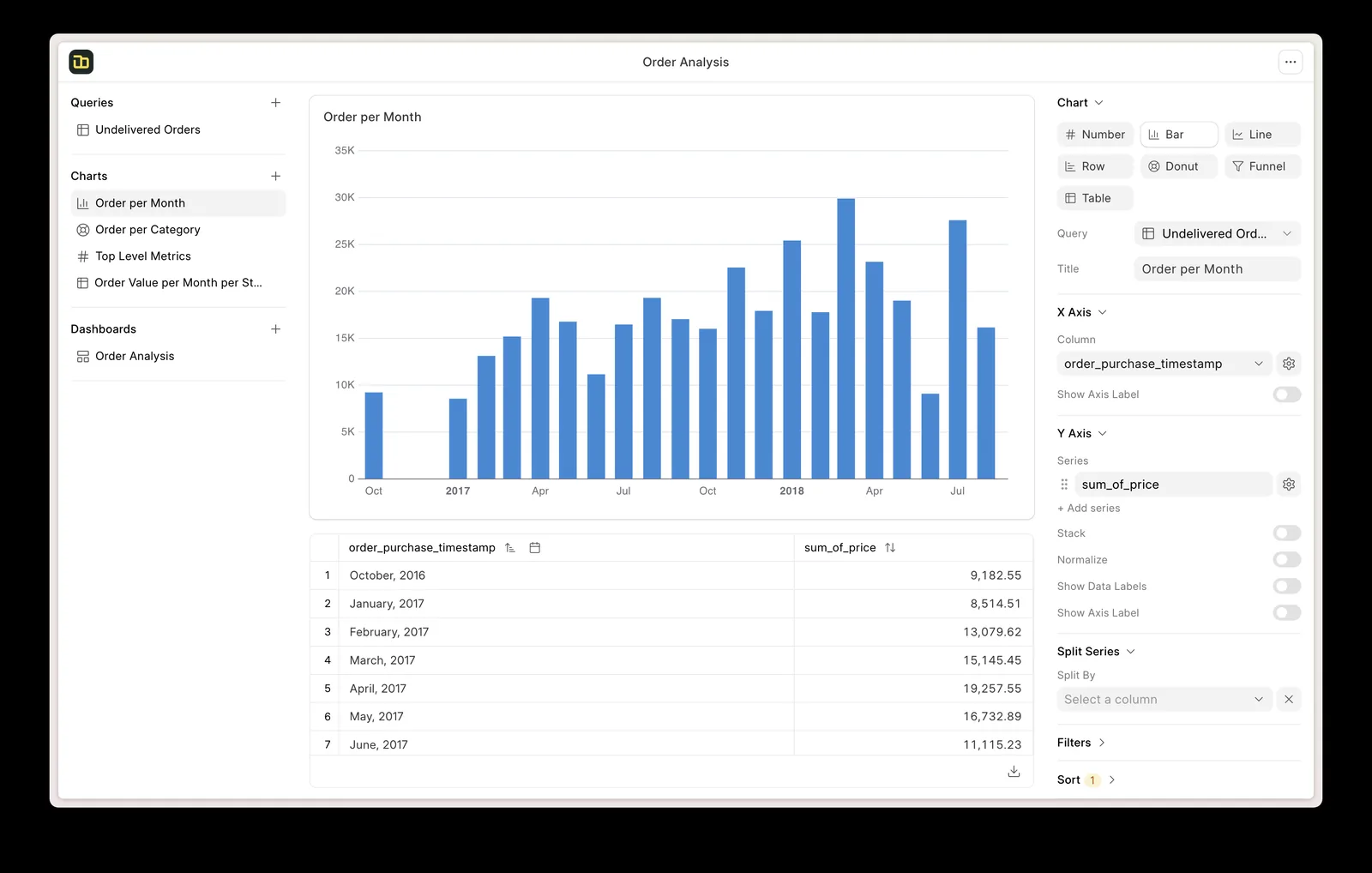
During a review we often build an analytics workspace that shows where the system is under strain, so decisions are based on data rather than complaints.
Outcomes we see, without invented percentages.
Structural choices such as company setup and item design are made once, correctly, instead of being reworked after a year of data.
Staff stop maintaining side spreadsheets once they see how ERPNext handles the task natively.
Many requests turn out to need configuration, not code, which keeps your custom app small and easier to upgrade.
Your administrators have an experienced person to check their thinking with, so they move faster.
Other ways we help ERPNext users in the UAE.
We configure the system for the rules UAE businesses report against, and test it before go-live.
General information, not tax or legal advice. Confirm current requirements with the FTA, MOHRE or your advisor. See all UAE compliance guides.
On-site workshops in Dubai, Abu Dhabi and Sharjah, and remote or on-site delivery across the Northern Emirates and free zones.
Official sources and references
Facts on this page were checked against these sources in October 2026. Rules change, so confirm current requirements before acting.
Still have a question? Our consultants are happy to help.
Ask an ExpertSupport fixes things that are broken. A consultant helps you decide how things should work: structure, design, process and performance. Many clients combine both under one retainer.
Yes. Hourly blocks suit occasional questions. A monthly retainer suits teams with steady change requests. We agree the model and reporting before work starts.
Gladly. We often review designs and code from in-house teams and advise on upgrade-safe patterns, while your developer keeps ownership of the work.
We advise on how ERPNext is configured to support VAT, such as tax templates, categories and reports. Tax treatment itself should be confirmed with your tax advisor; we configure to their guidance.
Not always. Many questions can be answered with a staging copy or read-only access. Production changes are made only with your approval.
Related Solutions
Related Industries
Related ERP Platforms
Send us your current ERPNext question and we will tell you how we would approach it and what a short engagement would involve.
Dubai, United Arab Emirates