L
O
A
D
I
N
G


Zoho, Odoo, ERPNext, Dynamics 365 and custom ERP, delivered by one accountable team.

Last mile is the most expensive part of the delivery chain. We set up ERP so dispatch, riders, vehicles and payouts are linked and the real cost of each drop is visible.
ERP for last mile delivery in the UAE links dispatch, proof of delivery, riders, vehicles and payouts so operators see the real cost of each drop by client, area and vehicle type. Completed orders feed per-drop, distance and peak pay rules into WPS payroll for employed riders or supplier bills for agency riders. Larger operators usually integrate a specialist dispatch app.
An ERP for last mile delivery UAE operators need is less about parcels moving through hubs and more about people and vehicles on the road. Whether you deliver groceries in 30 minutes across Dubai Marina, furniture to villas in Arabian Ranches or pharmacy orders in Al Ain, profit depends on how many successful drops each rider or van completes per shift and what each one costs.
Riders may be your employees, supplied by a manpower agency, or paid per drop. Vehicles may be owned motorbikes, leased vans or the rider's own. Clients may pay per order, per hour of dedicated rider time or a monthly fixed fee. Each combination changes the cost per drop, and most operators only see the total at month end.
This page focuses on dispatch, proof of delivery and rider economics. For parcel networks with hubs and cash-on-delivery remittance, see ERP for courier companies. For vehicle registration, servicing and fines, see ERP for fleet management.
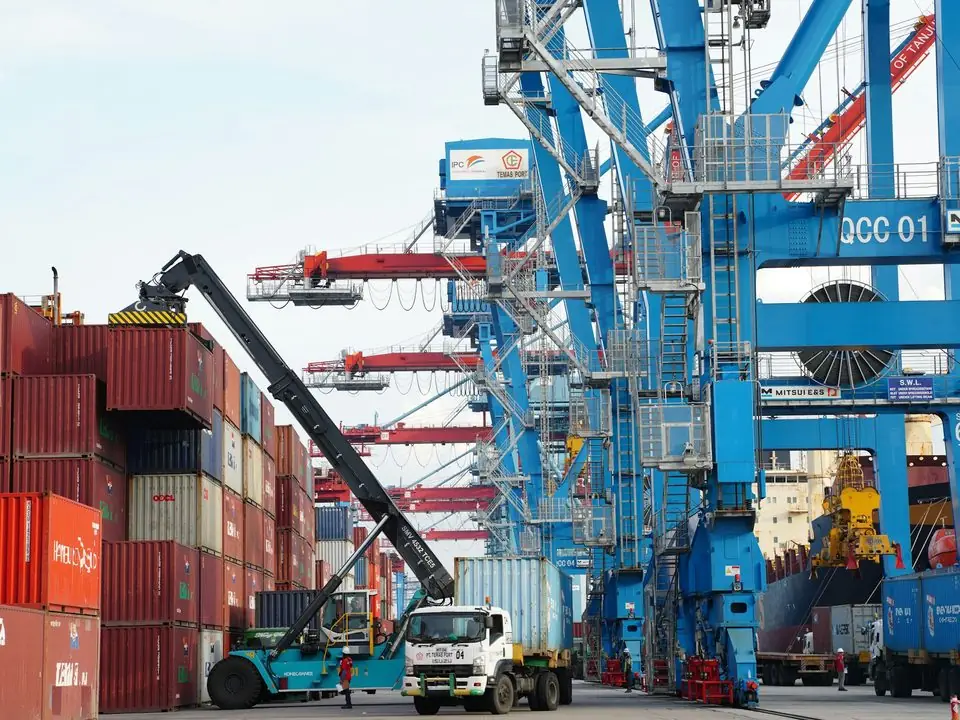
These issues are typical for delivery operators serving restaurants, retailers, pharmacies and ecommerce brands.
Customers are not home, addresses are vague and villa or tower access is unclear. Every reattempt doubles the cost of that order with no extra revenue.
Per-drop and incentive pay calculated from spreadsheets leads to disagreements every month. Riders want transparent records and operators need accurate payroll.
Some riders are on your visa and payroll, others come through manpower suppliers who invoice monthly. Combining both into one cost view is hard without a system.
Clients on per-order, hourly or dedicated-rider contracts each need different invoices. Manual billing misses waiting time and extra drops.
Ramadan evenings, sale events and weekends spike orders. Without history by area and hour, operators either overstaff or miss slots.
These are the steps we connect in the ERP, often with a dispatch or rider app feeding events back.
One shared database: every step updates stock, finance and reports in real time.
The ERP holds commercial and financial records; a dispatch app usually handles live tracking and connects to it.
Orders from client systems are grouped by area and time slot and assigned to riders or vans, manually or from a dispatch tool.
Photos, signatures, OTP codes and GPS stamps stored against each order for disputes and client reporting.
Rider profiles, shift rosters, attendance and area assignments, covering employees and agency-supplied riders.
Per-drop rates, distance bands, peak-hour bonuses and deductions calculated from completed orders.
Per-order, hourly and dedicated-rider pricing with waiting-time and extra-drop charges.
Fuel, bike or van lease, rider cost and agency invoices allocated to clients and areas for margin reporting.
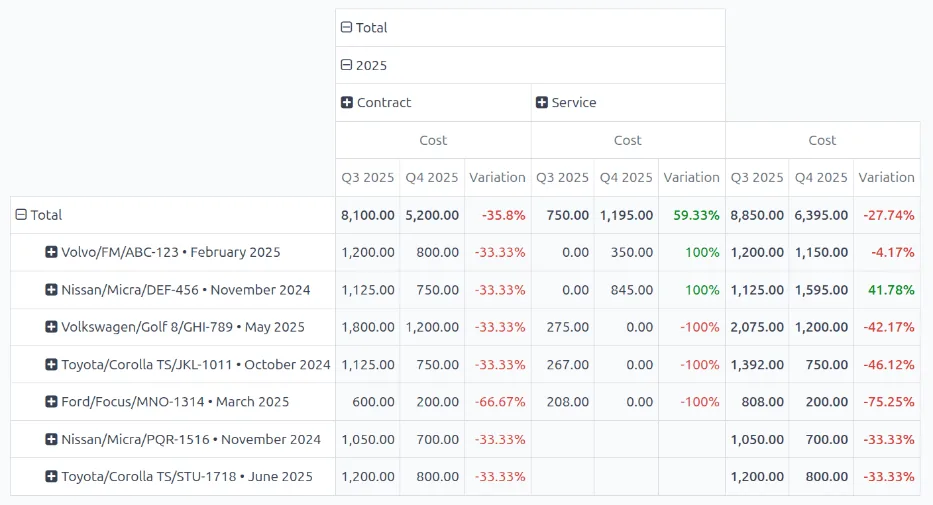
We build dashboards that show both today's operation and the economics behind it.
Most last mile operators combine a dispatch app with an ERP. The ERP choice depends on scale and how custom your payout rules are.
| Operator profile | Usual fit | Why |
|---|---|---|
| Small fleet of riders serving a few restaurants or shops | Zoho One | Zoho Creator for orders and rider logs, Zoho Books for billing, Zoho People for rider records. |
| Operator with many clients and in-house dispatch | Odoo | Field Service, Fleet, Employees and Accounting in one system; payout rules added through customization. |
| Operator with complex incentive schemes and developers | ERPNext | Payroll components and custom doctypes make per-drop and bonus logic transparent and adjustable. |
| Larger operator across emirates and GCC | Dynamics 365 | Multi-company finance with a specialist dispatch platform integrated for live operations. |
| Operator building its own rider app | Custom ERP | Back office designed around your app's events, with accounting integrated. |
The ERP supports these obligations. Labor and tax questions should be confirmed with your advisors.
Riders on your establishment card are paid through WPS with a Salary Information File. Variable per-drop pay can be included as a payroll component calculated from delivery records.
Gratuity under the UAE Labour Law is accrued for employed riders. Agency-supplied riders are the agency's responsibility, so the ERP tracks them separately.
Domestic delivery services are generally standard-rated at 5%. Client invoices carry your TRN and required fields; confirm any special cases with your tax advisor.
Corporate tax applies at 9% above AED 375,000 of taxable income. E-invoicing via an Accredited Service Provider becomes mandatory in 2027 depending on revenue; check the latest MoF and FTA guidance.
General information, not tax or legal advice. Rules change; confirm current FTA, MOHRE and Ministry of Finance guidance with your advisor.
We help you set baselines so these can be measured, not assumed.
Rider, vehicle and agency costs allocated to orders show which clients and areas are profitable.
Riders can see the deliveries behind their pay, which reduces monthly arguments.
Reattempt reasons by area highlight address and access problems to fix with clients.
Waiting time, extra drops and dedicated hours are billed from records, not estimates.
Ranges assume a dispatch app is integrated rather than built from scratch.
Durations are typical ranges; your plan is agreed after discovery.
Document client contracts, rider pay models, vehicle arrangements and the dispatch tool in use.
Define order, proof-of-delivery and payout data, and agree the integration with the dispatch app.
Configure HR, payroll and accounting, build payout and billing rules, and connect the dispatch app.
Calculate rider pay in the ERP alongside the old method and resolve differences before switching.
Train dispatchers, supervisors and finance, and support the first billing and payroll cycles.
Pages on couriers, fleets, payroll and platforms relevant to last mile operations.
We configure the system for the rules UAE businesses report against, and test it before go-live.
General information, not tax or legal advice. Confirm current requirements with the FTA, MOHRE or your advisor. See all UAE compliance guides.
On-site workshops in Dubai, Abu Dhabi and Sharjah, and remote or on-site delivery across the Northern Emirates and free zones.
Official sources and references
Facts on this page were checked against these sources in October 2026. Rules change, so confirm current requirements before acting.
Still have a question? Our consultants are happy to help.
Ask an ExpertFor small operators, dispatch inside the ERP can work. Larger operators usually use a specialist dispatch and tracking app for live routing, integrated with the ERP for billing, payroll and costs.
Yes. Completed orders feed payout rules such as per-drop rates, distance bands and peak bonuses. The results flow into payroll for employed riders and into supplier bills for agency riders.
They are recorded as agency resources with their own rates. Their deliveries count toward cost per drop, and the agency invoice is matched against the hours or drops they completed.
Yes. Photos, signatures, OTP confirmations and timestamps are stored per order and can be shared in client portals or scheduled reports.
Fuel, lease, maintenance and fines can be tracked per bike or van and allocated to clients and areas. Our fleet management software page explains vehicle tracking in more depth.
Related Solutions
Related Industries
Related ERP Platforms
Related Guides
Share your current client contracts and rider pay model, and we will show how an ERP would calculate cost per drop for your operation.
Dubai, United Arab Emirates