L
O
A
D
I
N
G


Zoho, Odoo, ERPNext, Dynamics 365 and custom ERP, delivered by one accountable team.

For wholesalers and re-exporters of phones, laptops, components and accessories who live with thin margins and fast-moving prices.
An ERP for electronics trading in the UAE tracks every unit by serial number or IMEI, from the supplier and purchase cost to the buyer. Traders scan IMEIs at receipt and dispatch, buy in US dollars and sell in dirhams with realised exchange gains and losses, and manage RMAs, warranty claims, supplier price protection credits and stock ageing by model.
An ERP for electronics trading in the UAE has one job above all others: know exactly which unit, by serial number or IMEI, came from which supplier, at which cost, and went to which buyer. Without that, warranty claims, returns and supplier disputes turn into guesswork, and margin on a line with a few dirhams of profit per unit disappears.
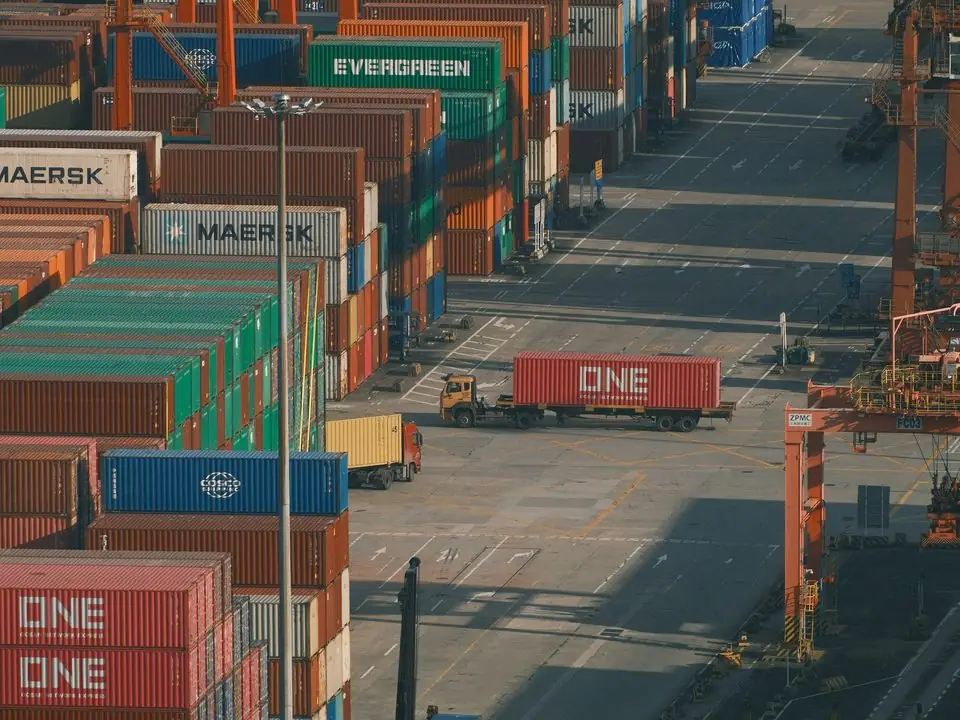
Dubai has long been a hub where electronics are bought in US dollars from brand distributors and factories, held for days rather than months, and sold on to buyers across the GCC, Africa, Central Asia and the subcontinent, much like the wider import and export trade. Stock turns fast, prices drop when new models launch, and the same consignment can be split across a dozen buyers in different currencies.
A suitable ERP scans serials at receipt and dispatch, values stock in the currency you buy in (see multi-currency ERP) and the currency you report in, tracks price protection credits from suppliers, and handles returns through a proper RMA flow. It also prepares the commercial invoice and packing list needed when goods leave the country for re-export.
Electronics traders tend to hit these problems as volume grows past what a spreadsheet can hold.
A buyer returns a faulty laptop and nobody can prove which shipment it came from. Supplier claims get rejected and the trader absorbs the loss.
When a new model launches, older stock drops in price. Without visibility of aging by model, the team sells the wrong units first.
Purchases are in US dollars, some sales are in dirhams, others in euros or dollars. Margin calculated in one currency hides FX losses that only appear at month-end.
Without serial checks, units returned may not be the ones sold. Scanning against the original invoice is the only reliable control.
Commercial invoices, packing lists with serials and exit documentation are prepared separately, which slows dispatch and creates mismatches with customs records.
Each step records serial numbers so the trail from supplier to buyer is complete.
One shared database: every step updates stock, finance and reports in real time.
These modules address serialization, currency and returns, which are the three areas where electronics trading differs most from general trading.
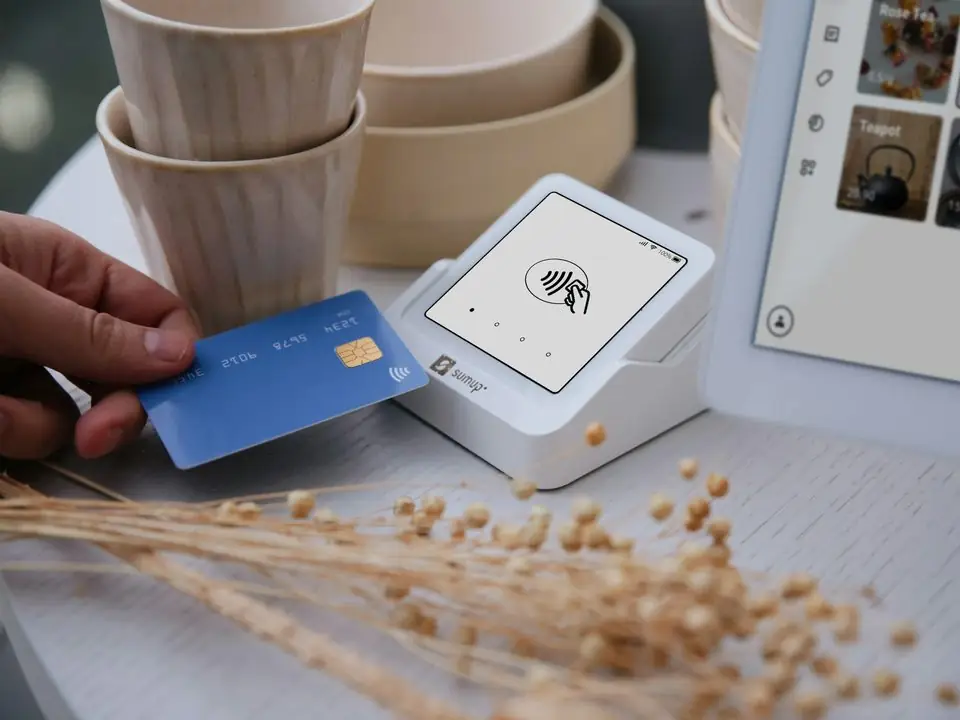
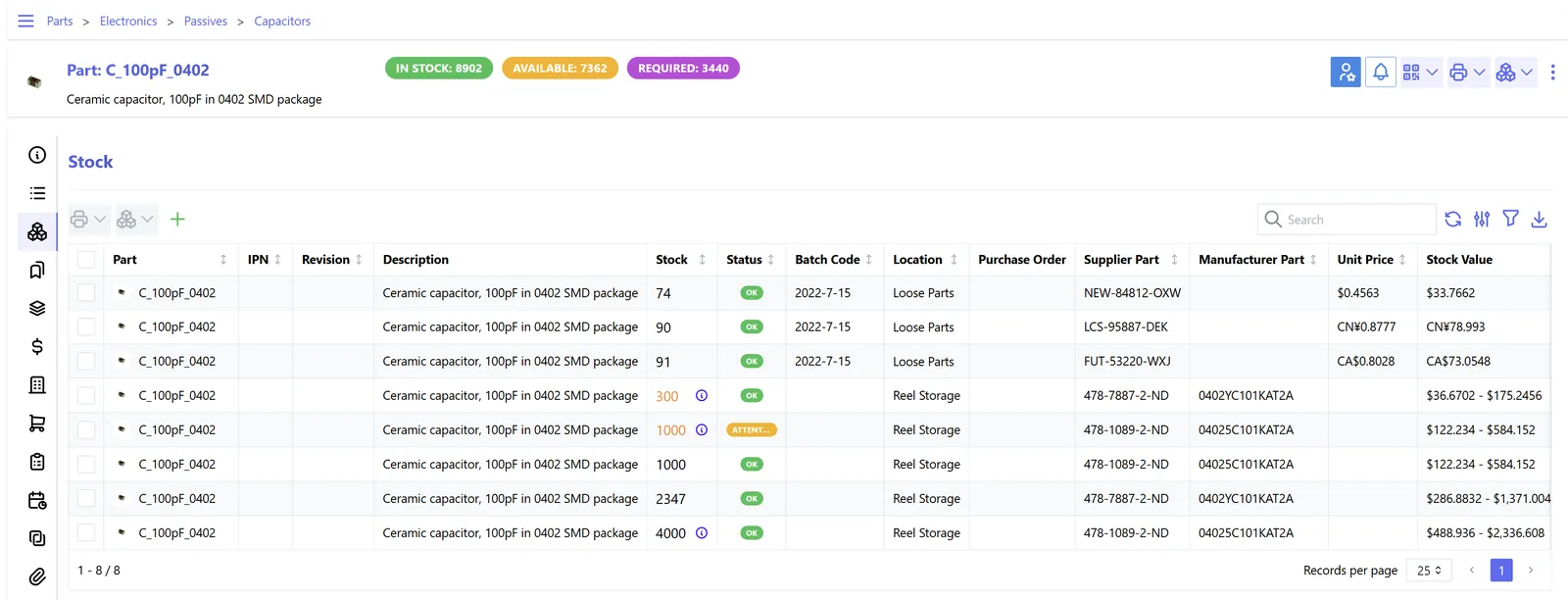
Serial numbers captured by scanner at goods receipt and validated again at dispatch and on returns, using barcode inventory tools.
Purchase and sell in USD, AED or other currencies, with revaluation and realized FX shown separately from trading margin.
Return authorizations linked to the original invoice and serial, with repair, replace or supplier claim outcomes.
Aging reports by model and generation so older stock is cleared before prices fall further.
Track credits promised by suppliers when list prices drop, and match them against received credit notes.
Commercial invoices and packing lists with serial lists generated straight from the delivery.
Fast stock turns mean the warehouse view matters as much as the finance view.
We implement Zoho, Odoo, ERPNext, Dynamics 365 and custom ERP. The table reflects typical fit; your volume and team size decide the final answer.
| Company profile | Usually fits | Why |
|---|---|---|
| Small accessories trader, few hundred SKUs | Zoho Books with Zoho Inventory | Serial tracking and multi-currency in a light, low-cost setup. |
| Phone and laptop wholesaler with heavy serial volume | Odoo | Serial capture with the barcode app, multi-currency, RMA through helpdesk or repairs. |
| Trader with in-house refurbishment or kitting | ERPNext or Odoo | Manufacturing or repair orders to track parts used per serialized unit. |
| Group with GCC branches and bank trade finance | Microsoft Dynamics 365 Business Central | Multi-company, item tracking and strong finance controls across entities. |
| Trader needing a buyer portal with live serial availability | Custom ERP or platform extension | When buyers must reserve units online from live stock. |
We do not implement SAP or NetSuite, but we migrate data from them when traders switch.
We configure tax codes and documents to support these rules. Please confirm specific treatments with your tax advisor.
Local supplies are standard-rated at 5%, while qualifying exports can be zero-rated if export evidence is kept. The ERP stores exit documents against each invoice.
Some product categories can be subject to special mechanisms such as domestic reverse charge. Check with your tax advisor whether any apply to your electronics lines, and we will set up the tax codes accordingly.
Goods held in a VAT designated zone such as parts of JAFZA can follow different VAT rules. The ERP can separate stock and transactions by location so your advisor can apply the right treatment.
Domestic B2B invoices move to PINT AE through Accredited Service Providers, mandatory from 1 January 2027 or 1 July 2027 depending on revenue. Check the latest Ministry of Finance and FTA guidance.
General information, not tax or legal advice. Rules change; confirm current FTA, MOHRE and Ministry of Finance guidance with your advisor.
The improvements below are what traders usually expect from serialized stock and multi-currency control.
Serial history proves where a faulty unit came from, so claims are accepted more often.
FX movements are separated from trading profit, so each deal shows what it really earned.
Scanned packing lists and export documents come out of the same delivery record.
Aging by model flags units to clear before the next price drop.
Ranges are typical for a single-warehouse trader. Scanner hardware and serial backlog loading can extend them.
Durations are typical ranges; your plan is agreed after discovery.
Map buying, allocation, dispatch, export and return flows, including currencies used.
Configure products with variants, serial rules, barcode scanning and multi-currency.
Load or scan every unit on hand so serial history starts complete.
Warehouse, sales and accounts run live deals in the new system with support.
Review FX revaluation at the first month-end and tune RMA and aging reports.
Pages on related trades, modules and platforms.
We configure the system for the rules UAE businesses report against, and test it before go-live.
General information, not tax or legal advice. Confirm current requirements with the FTA, MOHRE or your advisor. See all UAE compliance guides.
On-site workshops in Dubai, Abu Dhabi and Sharjah, and remote or on-site delivery across the Northern Emirates and free zones.
Official sources and references
Facts on this page were checked against these sources in October 2026. Rules change, so confirm current requirements before acting.
Still have a question? Our consultants are happy to help.
Ask an ExpertYes. IMEI is handled as the serial number on each unit. Most traders scan IMEIs from the box label at receipt, and the system checks the same IMEIs again at dispatch and on returns.
Purchases and sales are recorded in their transaction currency. The ERP posts realized gains and losses on payment and can revalue open balances at period end, so they appear separately from trading margin.
Yes. Promised credits can be recorded against the affected stock or purchase order and matched when the supplier's credit note arrives, so nothing is missed.
Usually not. An RMA flow inside the ERP links each return to the original invoice and serial, and records whether the unit is repaired, replaced or claimed from the supplier.
It can generate commercial invoices and packing lists with serial details from the delivery. Customs declarations themselves are filed through the relevant customs systems, usually by your clearing agent.
Related Solutions
Related Industries
Related ERP Platforms
Contact us for a walkthrough of serialized receiving, dispatch and RMA built around your electronics trading flow.
Dubai, United Arab Emirates