L
O
A
D
I
N
G


Zoho, Odoo, ERPNext, Dynamics 365 and custom ERP, delivered by one accountable team.

Built around how steel is really made and sold: by heat, by coil, by bundle and by the tonne, with certificates that follow the metal.
An ERP for steel manufacturing in the UAE tracks product by weight and by heat number. It holds stock in tonnes, pieces and bundles at once, carries heat and coil numbers from receipt to delivery note, links mill test certificates to each delivery, and reports yield and scrap per production run. Weighbridge integration brings actual weights into stock and invoices.
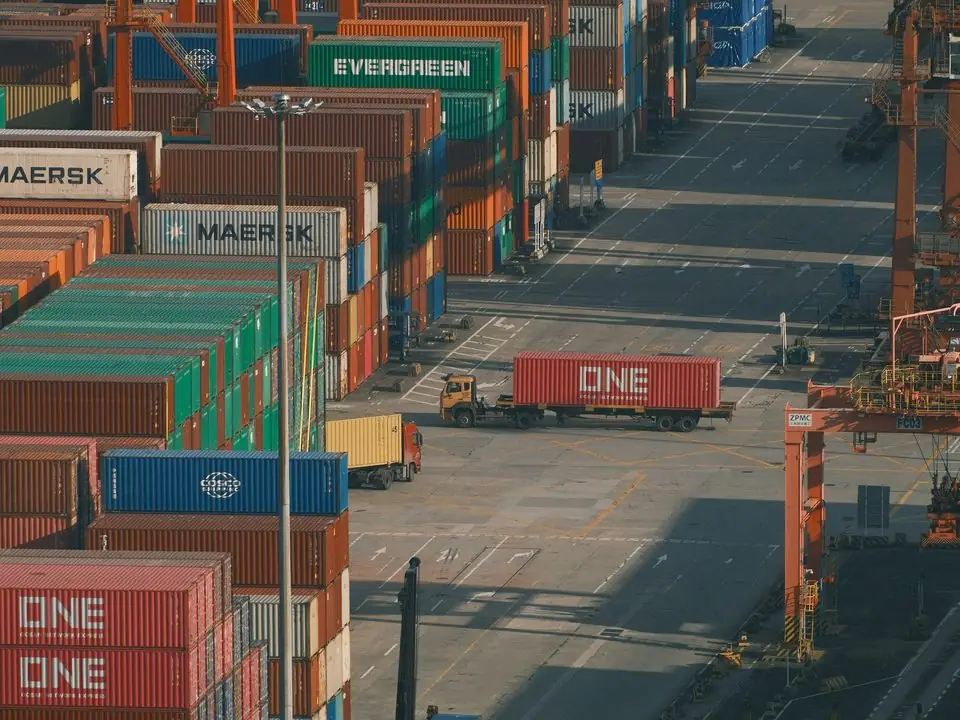
An ERP for steel manufacturing in the UAE has to deal with a product whose value sits in its weight and whose identity sits in its heat number. Rolling mills, re-rollers, slitting and cut-to-length lines, pipe and tube makers and wire drawers in Mussafah, KEZAD, Jebel Ali and Ras Al Khaimah all face the same reality: customers order by tonne, the warehouse counts bundles and coils, and contractors demand mill test certificates linked to every delivery.
Steel margins depend heavily on yield. Every tonne of billet or hot-rolled coil that becomes scale, crop ends, off-cuts or rejects reduces profit, and raw material prices can move sharply between purchase and sale. Energy is another major cost that should be visible per tonne produced.
We implement Odoo, ERPNext, Microsoft Dynamics 365 and Zoho, and build custom extensions for steel-specific needs such as weighbridge capture. This page focuses on primary and secondary steel processing. If you fabricate structures from steel sections and plate, see our separate page on ERP for metal fabrication.
Generic manufacturing software often struggles with the way steel is weighed, identified and certified.
A bundle of rebar has a theoretical weight from its dimensions and an actual weight from the weighbridge. If the system cannot hold both, invoices, stock and cost disagree and customers dispute deliveries.
Mill test certificates arrive as PDFs from suppliers or are produced by your lab, but they are filed in folders. When a consultant asks for the certificate for a specific delivery, staff search manually.
Scale loss, crop ends and off-cuts are estimated monthly rather than measured per run. Poor-performing shifts, rolls or products are hard to identify.
A mother coil is slit into several narrow coils, each with its own weight and destination. Without parent-child tracking, traceability back to the original heat is lost.
Scrap, billet and coil prices change frequently. Without accurate weighted costs and open purchase positions, pricing decisions are made on outdated numbers.
A typical flow for a re-rolling mill or coil processor, with heat identity and weight recorded throughout.
One shared database: every step updates stock, finance and reports in real time.
These modules address weight, traceability and yield, the three things that matter most in steel.
Items stocked in tonnes and pieces or bundles, with theoretical weight per metre and actual weight captured on receipt and dispatch.
Heat numbers stored as lots, with parent-child links when coils are slit or bars are cut.
Mill test certificates attached to the heat and printed or emailed with each delivery note.
Input tonnage, output tonnage and scrap by category recorded per run to calculate yield.
Weights captured directly from the weighbridge or crane scale to stop manual entry errors.
Chemical composition and mechanical test results recorded against the heat for internal certificates.
Contracts for scrap, billet or coil with price per tonne, open quantities and landed cost including freight and duty.
Material, energy, labour and overhead allocated per tonne produced and compared across products.
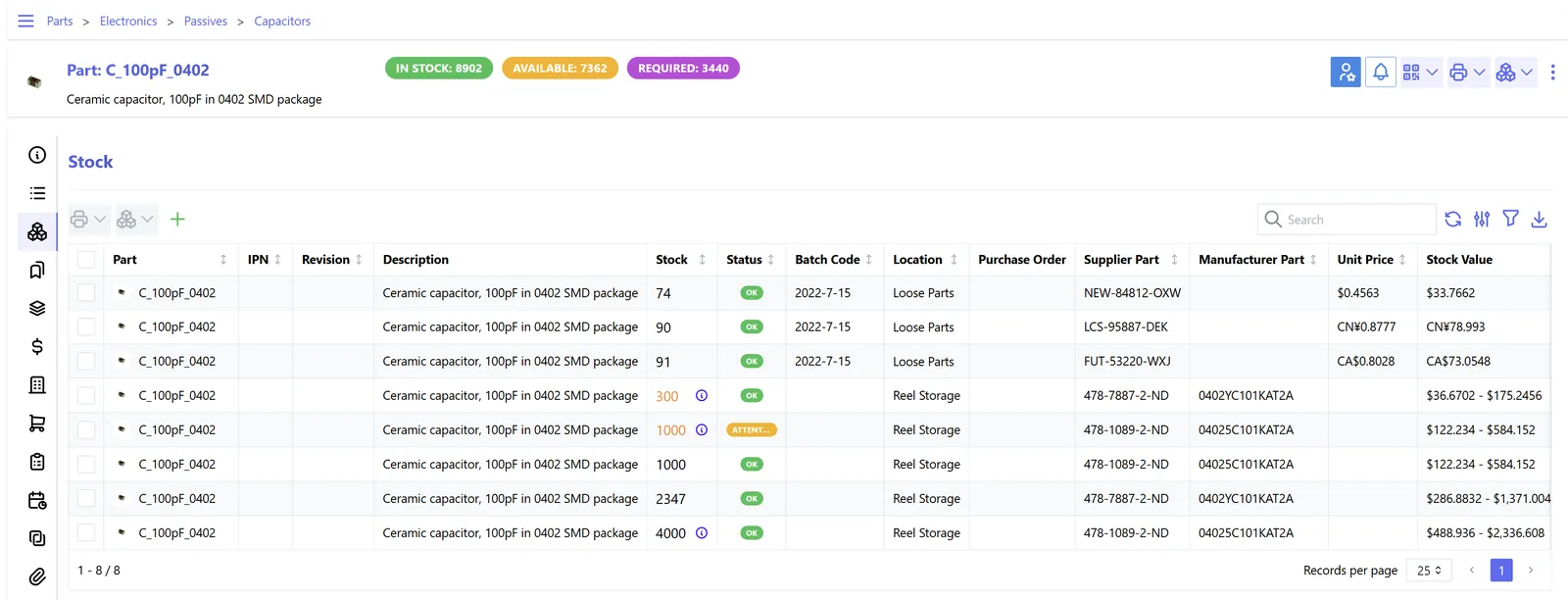
Steel managers want to see tonnage in each yard, what is committed to customers and how efficiently the mill converted material this week.
Steel operations vary from small cut-to-length centres to integrated mills. Our honest view of fit:
| Company profile | Usual fit | Why | Watch-outs |
|---|---|---|---|
| Coil processing or cut-to-length centre | Odoo or ERPNext | Lot tracking, unit conversions and production orders handle slitting and cutting well | Parent-child coil tracking and weighbridge links need configuration |
| Rebar re-rolling mill | ERPNext, Odoo or Dynamics 365 Business Central | Production with by-products and scrap, multi-unit stock and quality records | Heat-based certificate printing usually needs a custom report |
| Large mill or group with several plants | Dynamics 365 Supply Chain Management | Catch weight handling, advanced planning and multi-entity finance | Longer, larger implementation needing strong internal team |
| Steel stockist with light processing | Odoo or Zoho Inventory | Trading-focused stock with simple cutting services | Zoho is limited for production yield reporting |
We implement Zoho, Odoo, ERPNext, Dynamics 365 and custom ERP. We migrate from SAP, Sage or Tally but do not implement those products.
The ERP should hold the evidence that customers, consultants and authorities ask for. Confirm specific requirements with your advisors and certification bodies.
Contractors and consultants often require mill test certificates and conformity certification for reinforcing steel and structural products. Storing certificates and test results against heats makes it simple to supply the right document for each delivery.
Imported billet, coil and scrap carry HS codes, origin and duty data that affect landed cost. Recording these on purchase orders and receipts keeps cost and customs documents consistent, including where trade remedy duties may apply.
Tax invoices must show your TRN and the 5% VAT where applicable. Mandatory e-invoicing through an Accredited Service Provider starts on 1 January 2027 for businesses with revenue of AED 50 million or more and on 1 July 2027 for others; check the latest Ministry of Finance and FTA guidance.
Corporate tax is 9% on taxable income above AED 375,000, with returns filed through EmaraTax. Clear inventory valuation, scrap accounting and intercompany records support the tax computation. Confirm treatment with your tax advisor.
General information, not tax or legal advice. Rules change; confirm current FTA, MOHRE and Ministry of Finance guidance with your advisor.
Outcomes vary by plant and starting point; these are the improvements we aim for.
Input and output tonnage are captured every run, so losses can be investigated rather than averaged.
Weighbridge figures on delivery notes and invoices reduce arguments with customers over tonnage.
The certificate for any delivered bundle is one click from the delivery note.
Up-to-date weighted cost per tonne supports quotes when raw material prices move.
Durations are typical ranges and depend on plant complexity, integrations and data quality.
Durations are typical ranges; your plan is agreed after discovery.
Product and size matrix, weighing points, certificate flows, yield measurement and costing approach.
Unit-of-measure design, lot and heat structure, scrap categories and report layouts.
Configuration, weighbridge interface, certificate reports and landed cost setup.
End-to-end runs from receipt to invoice, including reconciliation of tonnage.
Opening stock by heat, cut-over, on-site support and month-end close support.
Platforms, sister industries and modules for metal businesses.
We configure the system for the rules UAE businesses report against, and test it before go-live.
General information, not tax or legal advice. Confirm current requirements with the FTA, MOHRE or your advisor. See all UAE compliance guides.
On-site workshops in Dubai, Abu Dhabi and Sharjah, and remote or on-site delivery across the Northern Emirates and free zones.
Official sources and references
Facts on this page were checked against these sources in October 2026. Rules change, so confirm current requirements before acting.
Still have a question? Our consultants are happy to help.
Ask an ExpertYes. Items can carry a primary unit such as tonnes and a secondary unit such as pieces or bundles, with conversion based on theoretical weight. Where actual weights vary, Dynamics 365 Supply Chain Management offers catch weight handling, and Odoo or ERPNext can be configured to record actual weights per lot.
Each heat is stored as a lot with its certificate attached. When bundles from that heat are delivered, the delivery note lists the heat numbers and the certificates can be printed or emailed with it.
In most cases, yes. Weighbridge indicators or software can pass weights to the ERP through a file, serial connection or API. We review your equipment during discovery and design the integration accordingly.
Scrap is recorded as a by-product of the production run, by type such as crop ends or off-cuts, at a defined value. It can then be sold or remelted, and yield reports show scrap as a share of input tonnage.
Odoo, ERPNext and Dynamics 365 Business Central can all work for a mid-sized mill. The decision usually depends on reporting needs, budget, internal IT skills and whether you plan to add plants. We recommend after a discovery workshop rather than before.
Related Solutions
Related Industries
Related ERP Platforms
Call +971 55 145 3265 or email contact@uaeerpexperts.com to discuss an ERP for your mill or processing centre.
Dubai, United Arab Emirates